
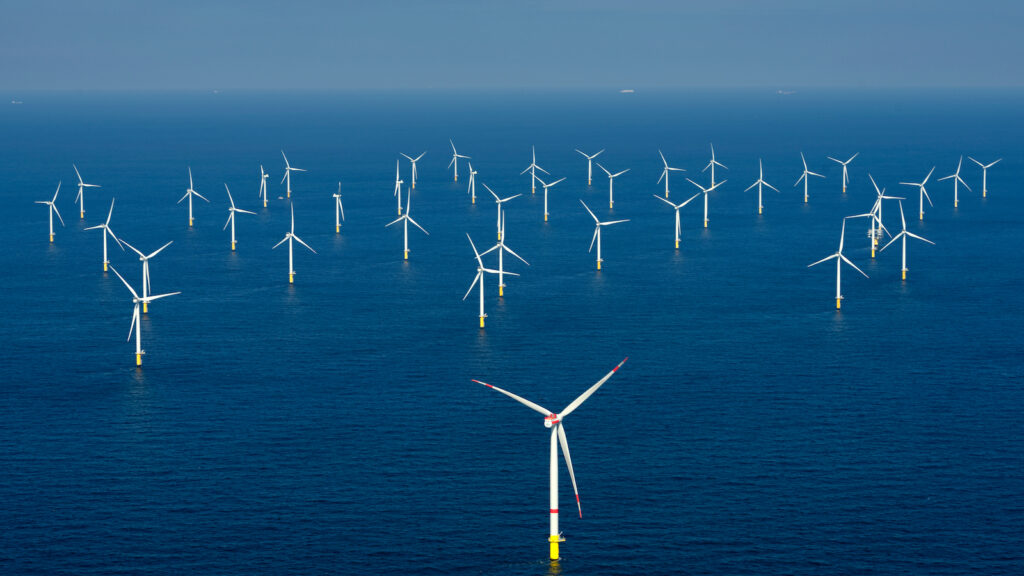
Most renewable energy projects in Colombia have been stalled due to regulatory delays, grid limitations, and community disapproval. Colombia has been implementing various measures and efforts to help increase renewable energy development. Recently, a developer-friendly clause has been added to Colombia’s first-ever offshore wind lease as it opens to bidders. The National Hydrocarbons Agency and the Colombian Maritime Directorate are giving exemptions to projects that win the auction by easing fees and penalties incurred by pulling out before any progress. Offshore wind has the ability to transform its energy mix, providing massive potential. The projects, however, hit delays that raise questions about the sector’s current impact and future role in Colombia’s energy strategy. Offshore wind is a crucial diversification tool as it delivers consistent, large-scale clean power, supports decarbonization, and reduces dependence on hydro and fossil fuels. Cutout fuses on offshore wind help connect the farms to the grid.
Offshore wind farms generate high-voltage electricity that must be transmitted to onshore substations via submarine cables. Cutout fuses act as safety switches to disconnect faulty circuits to prevent damage from overloads or short circuits. They provide robust protection that is critical to avoid costly cable failures or transformer damage. Cutout fuses may serve in collection grids, export cables, and onshore grid connection points. Offshore fuses must resist corrosion, humidity, and mechanical stress. This is because the Colombian coast faces hurricanes and saltwater exposure. Such an environment demands marine-grade, durable cutout fuses. Their primary role is to protect electrical systems from faults to ensure reliability in a challenging marine environment.
Cutout fuses in Colombian offshore wind farms
Cutout fuses are crucial safety and protection components in the electrical infrastructure of high-risk and high-reliability environments. Offshore wind turbines operate under extreme marine conditions and send high-voltage power over long distances. Offshore wind farms include wind turbines generating medium-voltage electricity, subsea and overhead transmission lines, and onshore substations. Overcurrent, lightning strikes, or insulation breakdown can cause equipment damage, outages, or fire. A cutout fuse consists of a fuse holder and a fuse link that melts when current exceeds a safe level, opening the circuit. The fuses used in offshore environments must be corrosion-resistant and rated for high humidity, salt spray, and temperature extremes. Here are the functions of cutout fuses in offshore wind farms.
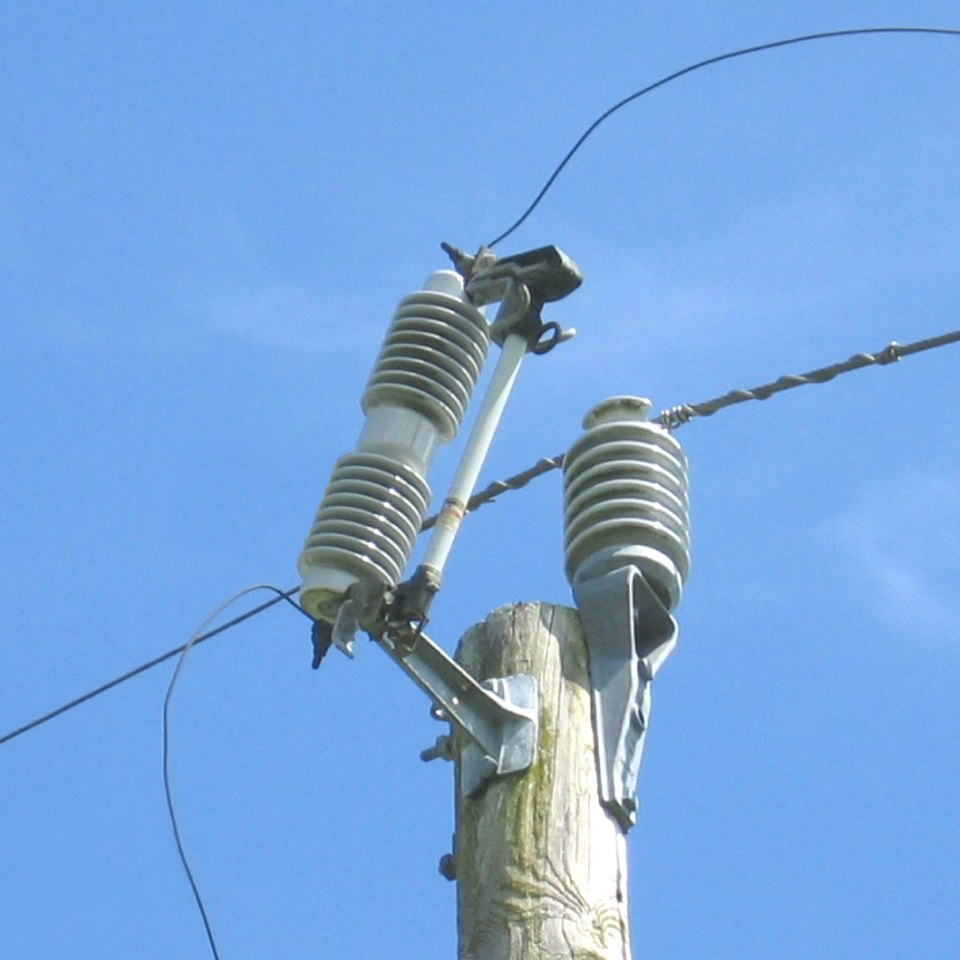
- Overcurrent protection for transformers—each wind turbine uses a step-up transformer to increase voltage for transmission. Cutout fuses protect the transformers from short circuits, line-to-ground faults, and equipment overloads.
- Fault isolation in distribution lines—offshore wind farms feed power into marine substations and then to the mainland. Cutout fuses are installed at key nodes to isolate faults, prevent cascading failures, reduce downtime, and maintain grid stability.
- Lightning and surge protection—cutout fuses work with arresters to protect equipment from lightning-induced surges.
- Safe disconnection for maintenance—cutout fuses allow operators to manually disconnect sections of the circuit. This ensures safe and controlled maintenance without powering down the entire system.
Technologies used to expand offshore wind capacity in Colombia
Offshore wind power is emerging as a game-changer as Colombia charts a path toward energy diversification and net-zero goals. Colombia must adopt and adapt advanced technologies that improve performance, reduce costs, and overcome various challenges. This is crucial for unlocking its potential and scaling up capacity in Colombia. These technologies include:
- Floating wind turbines—floating wind technologies mount wind turbines on buoyant, moored platforms that float on the surface. This helps unlock deeper offshore sites with stronger wind resources, reduce environmental impact on the seabed, and enable wind development.
- High-capacity turbines—next-generation turbines can capture more wind energy with longer blades and advanced drivetrain technology. These help reduce visual and environmental footprint and maximize energy output per turbine.
- Subsea HVDC transmission systems—transmitting power from offshore farms to onshore substations over distances can lead to high energy losses. HVDC current technology enables efficient, low-loss transmission of offshore power.
- Digital twin and predictive maintenance platforms—offshore maintenance is expensive and logistically complex. Digital twin platforms create a real-time, virtual model of the wind farm to track performance, predict failures, and optimize O&M.
- Advanced anchoring systems—advanced foundations like no-wrench screw anchors provide robust and environmentally friendly anchoring with quicker installation times. They are suitable for softer conditions and faster installation that reduces costs and provides low seabed disturbance.