
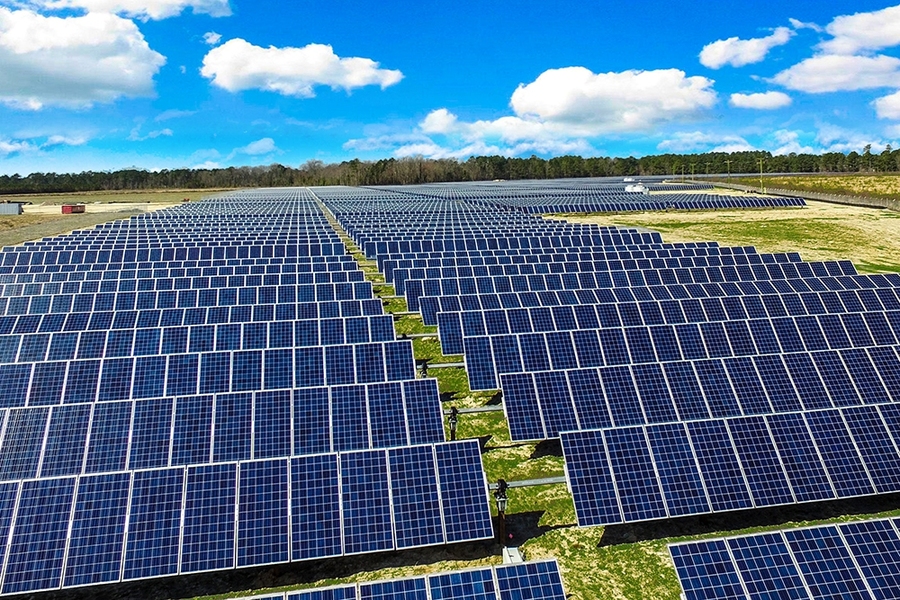
The forthcoming industrial expo in Peru presents the manufacturing and technology sectors with a chance to expand their operations. Zelestra recently inaugurated the biggest solar facility, the 300 MW San Martín project located in Arequipa. The facility contains approximately 450,000 solar panels, producing 830 GWh annually. The initiative is supported by a long-term PPA with Kalipa Generacion, enhancing the renewable energy collection. San Martín is in line with the nation’s renewable targets, as solar energy contributes 2-4% to total national generation. Introducing it during the Expo season highlights Peru’s leadership in green energy. Businesses can display their innovative solar mounting systems along with any necessary hardware. The initiative also offers chances for both local and global manufacturing sectors for the hardware needed to sustain its functions. A deadend insulator provides mechanical stability and electrical safety for the system.
Solar energy can power copper mines in Arequipa with clean energy to reduce carbon emissions. Powering the mines through solar energy helps reduce carbon emissions from the mining operations. Deadend insulators are crucial in racking and mounting structures. Deadened insulator prevents excessive stress on PV mounting structures due to wind, seismic activity, or thermal expansion. They ensure metallic support structures do not become electrically live and prevent short circuits. Peru’s diverse environments need robust insulators made of ceramic, polymer, or composite materials to resist corrosion and degradation. A deadend insulator ensures the structural integrity, electrical safety, and long-term reliability. Proper selection and installation are key to maintaining system performance and compliance with local regulations.
Deadend insulator in solar PV installations in Peru
Deadend insulators are vital in the electromechanical infrastructure of the 300 MW San Martín solar PV project. These insulators ensure the reliability, safety, and efficiency of solar PV farm infrastructure. A deadend insulator is an electrical and mechanical component used to support and isolate tensioned wires or cables. It prevents electrical current from flowing into unwanted paths. It mostly serves in overhead power lines, solar PV installations, and fencing systems. Zelestra and other developers must meet international specifications like the IEEE, IEC, and Peruvian NTC standards. They ensure compliance with load-bearing design codes, corrosion and high-temperature resilience, and seismic tolerance. Here are the roles of deadend insulators in solar PV farm infrastructure.
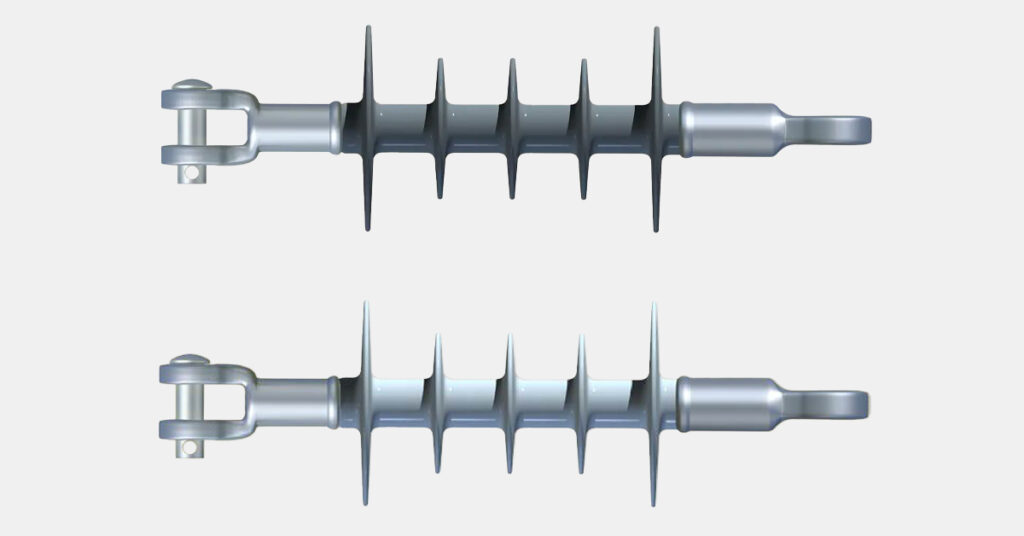
- Mechanical support for termination points—deadend insulators function at the ends of overhead power line sections to terminate conductors. They ensure the cables carrying electricity from the solar arrays to the substation remain stable.
- Electrical insulation—the insulators provide an electrical barrier between the energized conductors and supporting structures. This is crucial in grid connection lines from the solar farm, which operate at medium or high voltage.
- Withstanding environmental stress—the San Martín region faces high UV exposure, humidity, and wind loads. Deadend insulators are able to resist these environmental factors to maintain performance without compromising the solar farm’s output.
- Ensuring grid reliability—deadend insulators help maintain proper line tension and positioning. It ensures stable power transmission from the PV arrays to the national grid.
- Supporting expansion and maintenance—deadend insulators allow for modular expansion. They make it easier to isolate sections of the power line during maintenance.
- Reducing energy losses—the insulators reduce the risk of arcing, short circuits, or partial discharge.
Significance of renewable energy in Peru’s power industry
Solar photovoltaics generate clean, renewable energy that aids in reducing carbon emissions from electricity, enhancing energy security, and promoting socio-economic growth. Solar, wind, and hydro energy significantly contribute to the increasing global need for sustainably sourced metals and the urgency to decrease reliance on fossil fuels. Green energy is essential in sustainable mining for copper, silver, zinc, and lithium. Solar and wind can decrease energy expenses and cut emissions in mining activities. Increasing renewable energy in Peru supports its adherence to NDCs, facilitates climate funding and foreign investments, and fosters international collaborations.
Green power facilitates solutions such as off-grid and mini-grid systems in isolated areas, provides more affordable and cleaner options, and fosters local employment through installation and upkeep. The San Martín solar facility demonstrates cost-effective, expedited installation and has secured $1B in extra funding from companies such as Zelestra, Kalipa, and Statkraft. This solar initiative also significantly contributes to cross-border energy exchange via its 7 GW of solar and battery projects in Peru, Chile, and Colombia.