
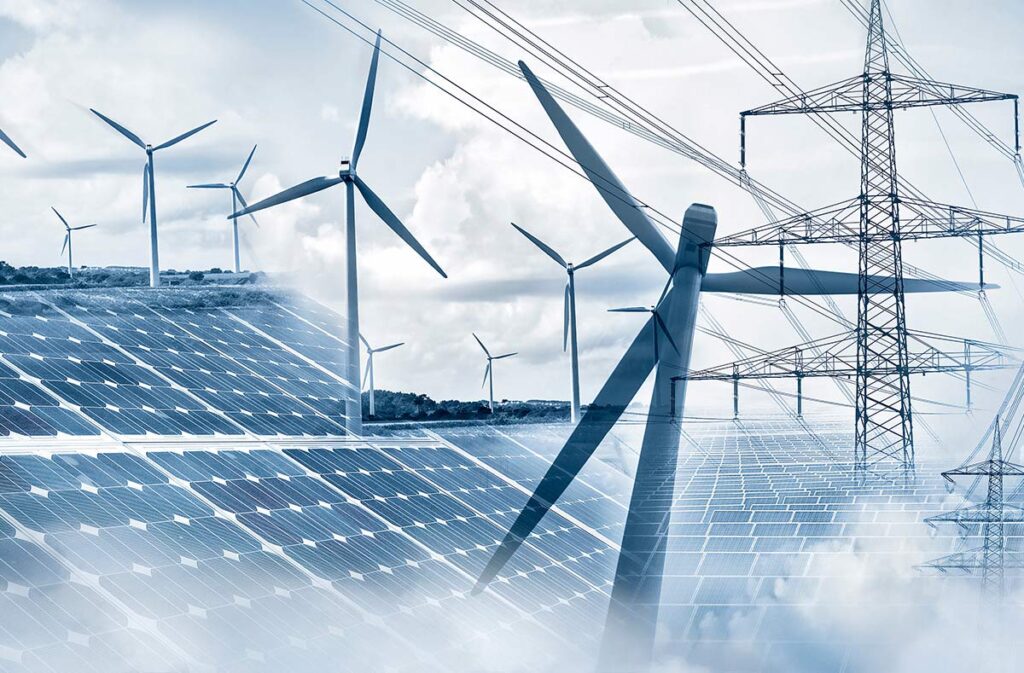
Argentina is rapidly expanding its renewable energy portfolio with resources such as wind in Patagonia, solar in Jujuy, and hydro in the Andes. This attracts significant investments from international and private sector companies. Chinese companies have played a crucial role in the expansion of Argentina’s clean energy infrastructure. They provide financing and direct participation in the construction of large-scale projects. Companies like PowerChina and Envision have developed wind and solar projects within a framework of cooperation promoted at the national level. Additionally, there are key policy drivers for grid integration, including the Renewable Energy Law, the RenovAr program, and Corporate PPAs. Integration of these resources into the grid demands grid modernization and expansion. The country is also adopting smart grid technologies to manage renewable variability, reduce transmission losses, and improve reliability. Strain yoke plates ensure the mechanical integrity of the integration connections under harsh Argentine conditions.
High-quality yoke plates transfer mechanical load from the conductor to the tower structure and provide a secure and stable platform for attaching hardware. Strain yoke plates have high-strength materials and precise engineering to ensure that the connection between the flexible conductor and the rigid tower is strong. A failure of a termination point could cause the line to drop and lead to blackouts and dangerous downed lines. Its many holes allow it to be a universal interface to connect to the tower structure on one end, connect to the insulator string on the other, and attach other hardware like lightning protection. This design is crucial for standardizing tower designs while adapting to specific locations and functions within the grid. They are crucial components during the construction of new transmission lines to connect renewable parks to pull and tension conductors safely.
Strain yoke plates in transmission lines supporting renewable energy integration
Strain yoke plates ensure mechanical stability, electrical reliability, and adaptability in diverse terrains. They support the secure transmission of renewable power from remote generation sites to demand areas. Strain yoke plates play a crucial role in integrating Argentina’s wind and solar energy into the main grid and advancing the country’s clean energy transition. Here are the functions of the yoke plates in renewable energy integration into the main grid.
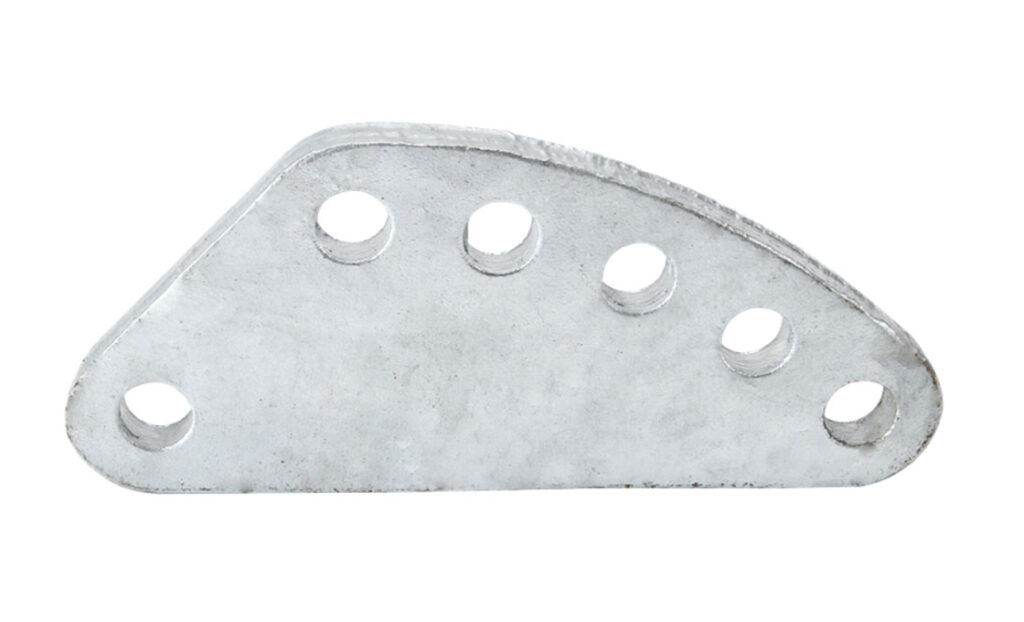
- Mechanical load distribution—strain yoke plates connect insulator strings to transmission towers at strain points. They distribute tensile and mechanical stress from high-voltage conductors to reduce the risk of equipment failure.
- Reliable conductor termination—yoke plates function where conductors end or change direction. Dead-end points occur when new transmission lines link solar parks or wind farms to the long 500 kV lines.
- Safety and stability in high-voltage networks—strain yoke plates maintain alignment of insulator strings and prevent conductors from swaying. This helps stabilize renewable transmission lines across diverse locations.
- Ease of grid expansion—strain yoke plates enable the scaling of infrastructure, as they can handle many conductor bundles to send larger amounts of wind and solar electricity.
Impacts of renewable energy integration on Argentina’s energy transition
Renewable energy integration is reshaping Argentina’s energy transition by decarbonizing the power sector, modernizing transmission infrastructure, and attracting international investments. When combined with natural gas from Vaca Muerta as a bridge fuel, renewables place the country on a cleaner, more resilient, and more competitive energy future. Key impacts are as follows:
- Diversification of the energy mix—integrating wind, solar, and small hydro into the grid—reduces dependence on volatile hydrocarbon markets. It also enhances energy security with domestic renewable resources.
- Decarbonization and climate goals—renewable integration displaces high-emission thermal plants, which reduces carbon emissions. Argentina could position itself as a leader in climate action by scaling renewables.
- Transmission network modernization—integration of renewables’ demands upgraded transmission lines to carry power from resource-rich areas. The modernization strengthens the reliability of Argentina’s grid.
- Energy independence—integration of renewables reduces the need for costly LNG imports during winter. Interconnections to Chile, Uruguay, and Brazil could position Argentina as a net exporter of renewable electricity.
- System flexibility and reliability—hybridization of renewables with flexible gas plants from Vaca Muerta ensures consistent supply with intermittent wind and solar. Grid operators are also deploying smart systems and storage solutions to manage renewable variability and improve system flexibility.