
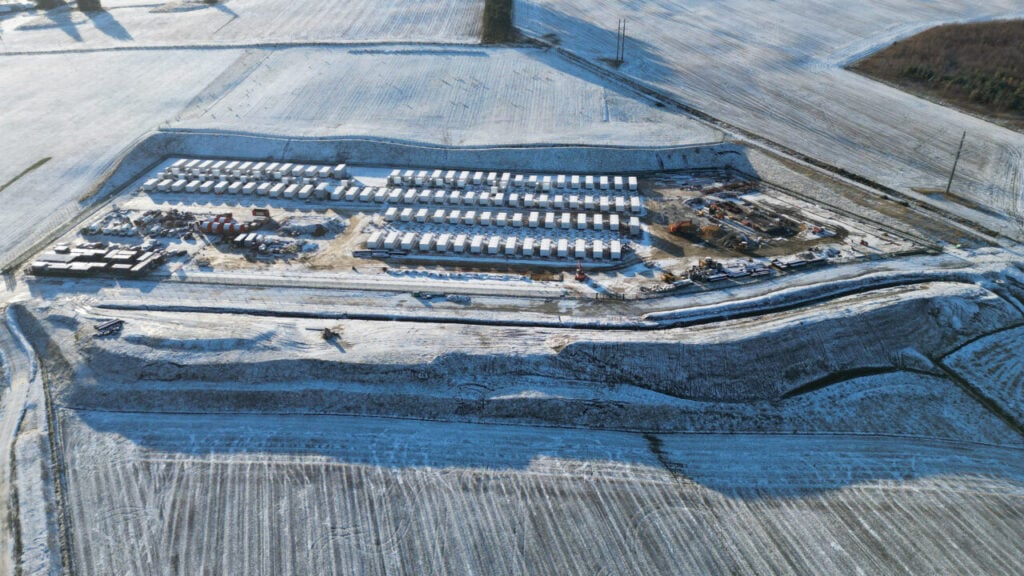
Chile is now joining the grid-forming technology era as the country shifts toward high shares of solar, wind, and battery storage. Using grid-forming inverters (GFM) allows renewable and storage assets to be more like conventional synchronous machines to strengthen the grid. Grid-forming inverters inject inertia, helping the grid absorb sudden disturbances. Increased solar production reduces the use of fossil fuels, which reduces inertia. The grid technologies enable BESS and renewables to regulate frequency rather than following it. This helps maintain balance during rapid load or generation changes. Power line hardware components like fiberglass secondary connectors enhance the safety and operations in the switchgear and control cabinets of grid-forming inverters.
Grid-forming inverters improve operational flexibility to allow the grid to accept more renewable variables. It does so by offering voltage regulation, black-start capability, and fast frequency response. This increases renewable use and improves investment returns for solar and wind developers. The secondary connectors electrically isolate the sensitive, low-voltage control and measurement circuits from the high-voltage and high-power circuits. They provide a robust mechanical link for sensors. This is including current transformers (CTs) and voltage transformers. These are essential for grid-forming inverter control algorithms.
Grid-forming inverters in BESS, solar, and wind plants create their own stable voltage and frequency waveform. This provides inertia and stability in grids with high renewable penetration in Chile. Fiberglass secondary connectors bring the secondary wires from instrument transformers into the protection of control relays. In high-voltage, fiberglass secondary connectors act as a physical and electrical barrier to the grid. This is to ensure that the high voltages cannot flash over.
Grid-forming technologies decarbonizing the Chilean grid
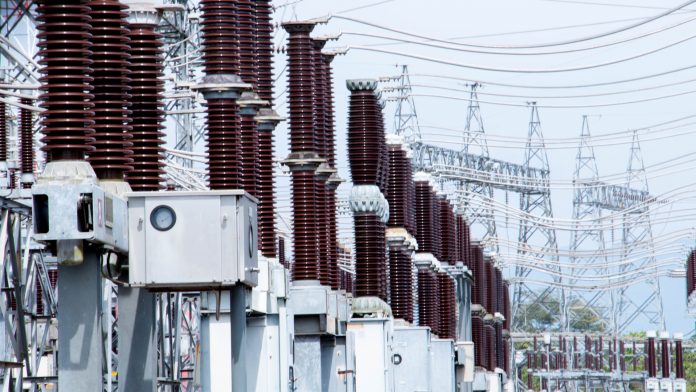
Grid-forming technologies enable Chile to integrate higher shares of renewable energy without compromising the reliability. The advanced inverter-based capabilities solve structural challenges created by retiring thermal plants. Adopting grid-forming technologies reduces carbon emissions without compromising the system security. These technologies improve power flow stability, mitigate oscillations, support weak-grid segments, and reduce congestion on 500 kV lines. This ensures renewable power delivery across the country, which speeds up fossil displacement. Grid-forming technologies enable stable high-renewable microgrids, diesel generator displacement, and reliable power for off-grid mining sites.
Functions of fiberglass secondary connectors in Chile’s grid-forming technologies
Fiberglass secondary connectors ensure that Chile’s grid-forming technologies operate reliably across solar and wind plants, substations, and hybrid storage systems. The connectors support safe, stable, and efficient performance at the distribution and sub-transmission levels. Here are the functions of the fiberglass secondary connectors in Chile’s grid advancements.
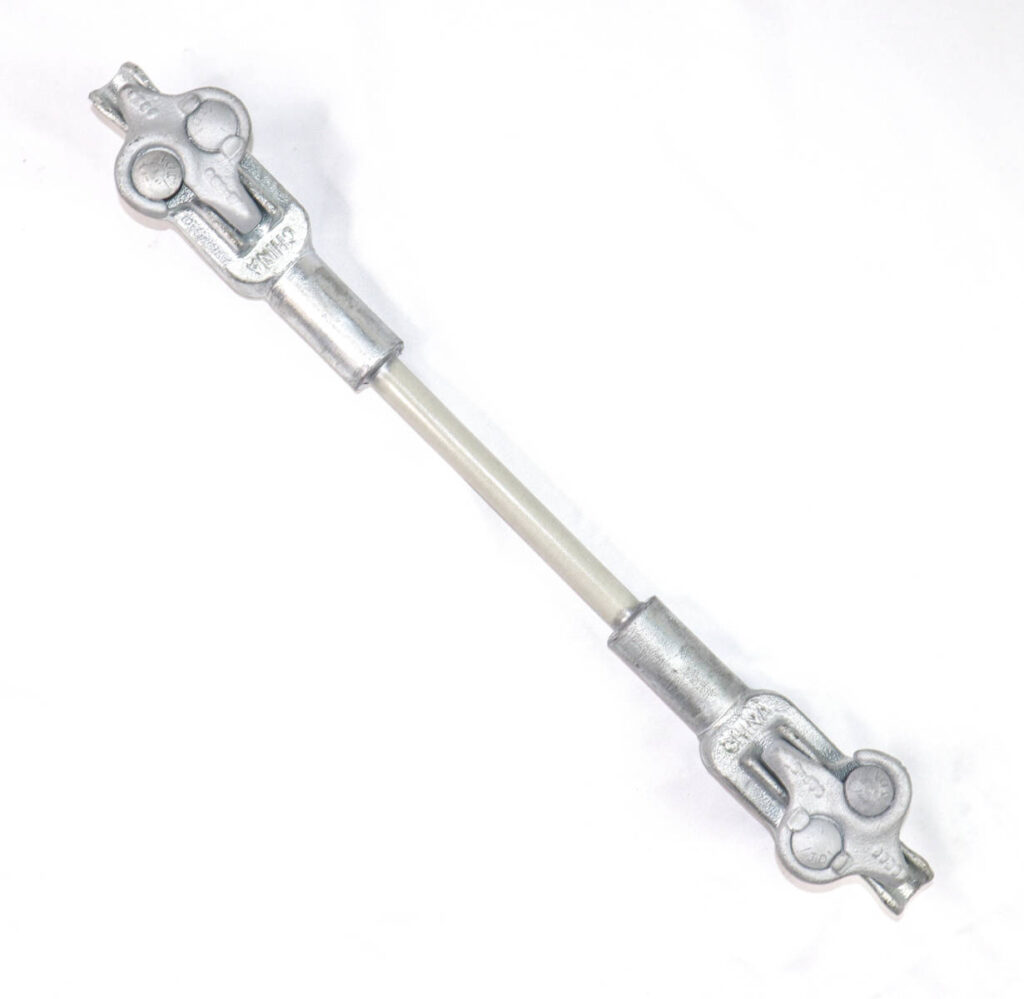
- Electrical isolation for inverter-heavy systems—the inverters depends on stable secondary connectors for protection, sensing, and control. Fiberglass secondary connectors offer high dielectric strength. This ensures safe isolation of secondary circuits, reliable transmission of low-voltage signals, and protection against insulation breakdown.
- Mechanical stability in harsh conditions—fiberglass secondary connectors provide UV-resistant mechanical strength, corrosion-free performance, and dimensional stability under thermal stress.
- Safeguarding protection and control circuits—grid-forming technology demands frequency formation, voltage regulation, and synthetic inertia. Fiberglass secondary connectors maintain the reliability of current transformer and voltage transformer circuits. They also support protection relays and communication links tied to inverter controls.
- Enabling safe integration of hybrid solar and storage systems—fiberglass secondary connectors maintain the insulation and mechanical reliability. This is necessary for the system to function as stability providers.
Grid-forming technologies adopted in Chile’s electrical grid
Adopting the grid-forming technologies in Chile strengthens its electrical grid as the country shifts toward high renewable penetration. These technologies are being adopted in large-scale solar plants, wind farms, battery energy storage systems, and modernized substations. The technologies demand the use of quality power line hardware like fiberglass secondary connectors. These technologies include:
- Grid-forming battery energy storage systems—grid-forming inverter controls enable the battery to provide fast inertia, maintain voltage stability, and support grid recovery after faults.
- Advanced inverter-based resources in solar and wind plants—modern solar PV plants and wind farms in Chile use grid-forming inverters. These help stabilize the grid where conventional generators are retired.
- Hybrid solar and storage plants with GFM controls—these hybrid sites use GFM-enabled control architectures that integrate PV inverter controls, storage inverter controls, and on-site protection.
- Microgrid and mining-sector grid-forming systems—mining operations are adopting GFM technologies in remote zones. These applications support decarbonization in the mining sector while enhancing energy reliability.