
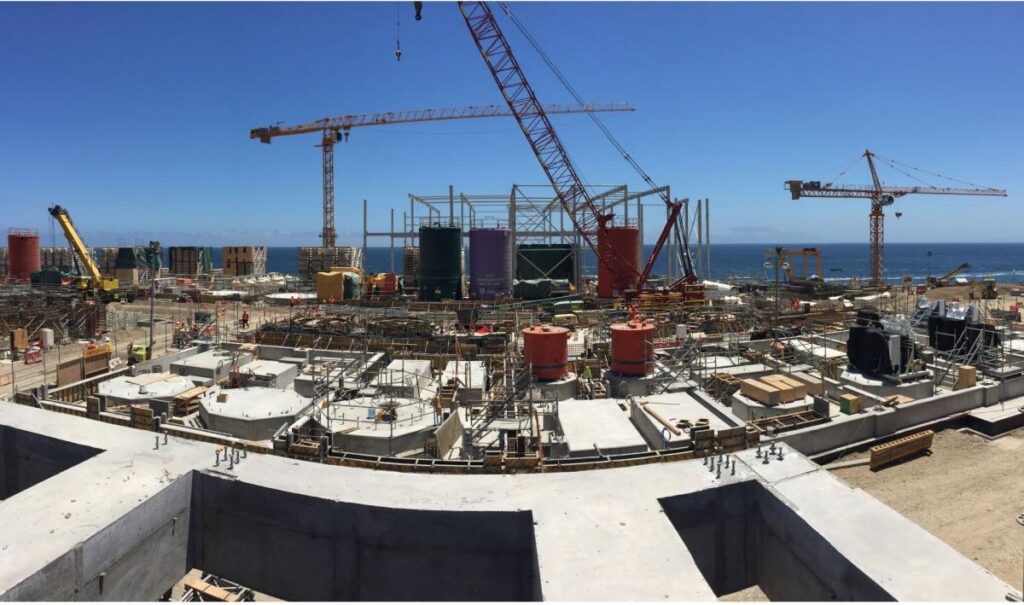
Argentina’s mining sector is undergoing a structural reconfiguration driven by policy reform and surging global demand for minerals. The region forms part of the Lithium triangle alongside Chile and Bolivia having the largest share of lithium brine reserves. Argentina is also in a position to re-enter the copper market at a time when electrification and renewable energy is driving global demand. The country is also adopting measures aimed at stabilizing the macroeconomic framework, easing foreign exchange controls, and offering tax incentives for large-scale projects. Increased investments are also driving infrastructure development. This includes power transmission, water management, logistics lines, and port access. These connections rely on robust hardware connections supported by anchor rods.
Tensioned rods create a force that binds blocky rock layers together to prevent delamination in hard-rock mines. The rods support drifts, cross-cuts, haulage levels, crusher chambers, and drawpoints. They function with mesh, shotcrete, and cable bolts for a robust support system. Anchor rods work in conjunction with shotcrete or mesh to stabilize slopes, prevent wedge failures, and allow for steeper pit designs that reduce waste removal and improve economics.
Technical specifications for the anchor rods used in Argentina’s mining sector
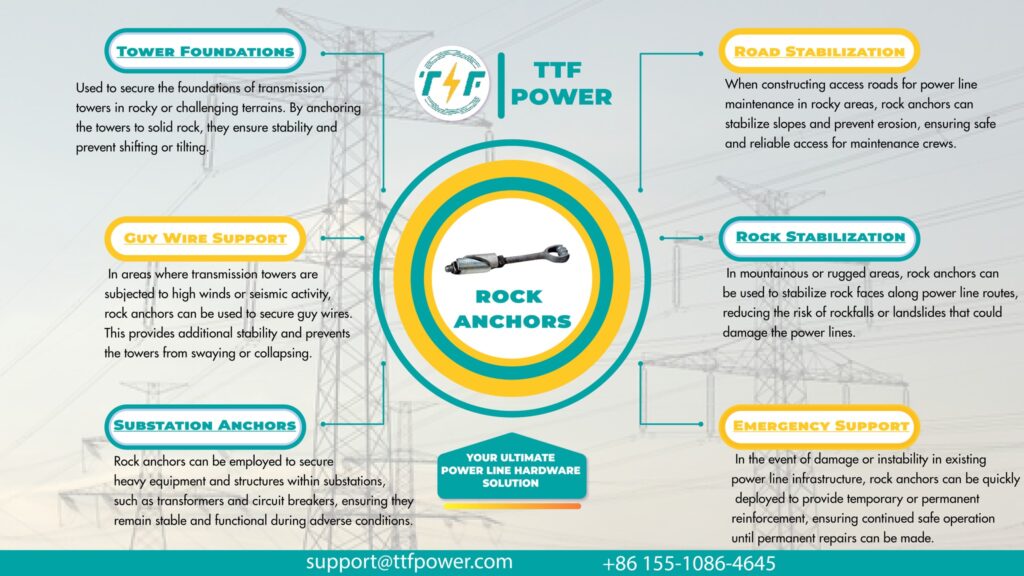
Mining ground support incorporates international engineering standards and recognized industry practices for anchor rods and rock bolts. The specifications detail industry-standard specifications, material properties, installation methods, and performance criteria. Anchor rods serve as primary ground support elements in underground and open-pit operations. They reinforce unstable rock faces, improve shear resistance, and transfer loads from fractured rock masses into competent rock. The rods are from high-strength steel to withstand the demanding load and fatigue conditions of mining environments. The key materials include high-strength alloy or carbon steel. The rods also have corrosion protection and surface treatments for the diverse environments in mining areas. The rods also undergo inspection of mechanical properties at mill test stages and field pull tests to verify installed anchor capacity.
Mechanical anchor rods in underground mining support
Anchor rods are essential in ground support systems for Argentina’s mining sector. They offer structural safety in underground mines, open pits, and other infrastructure. Anchor rods influence operational continuity, workforce safety, and long-term asset stability in complex environments. Here are the key functions of the anchor rods in Argentina’s mining sector.
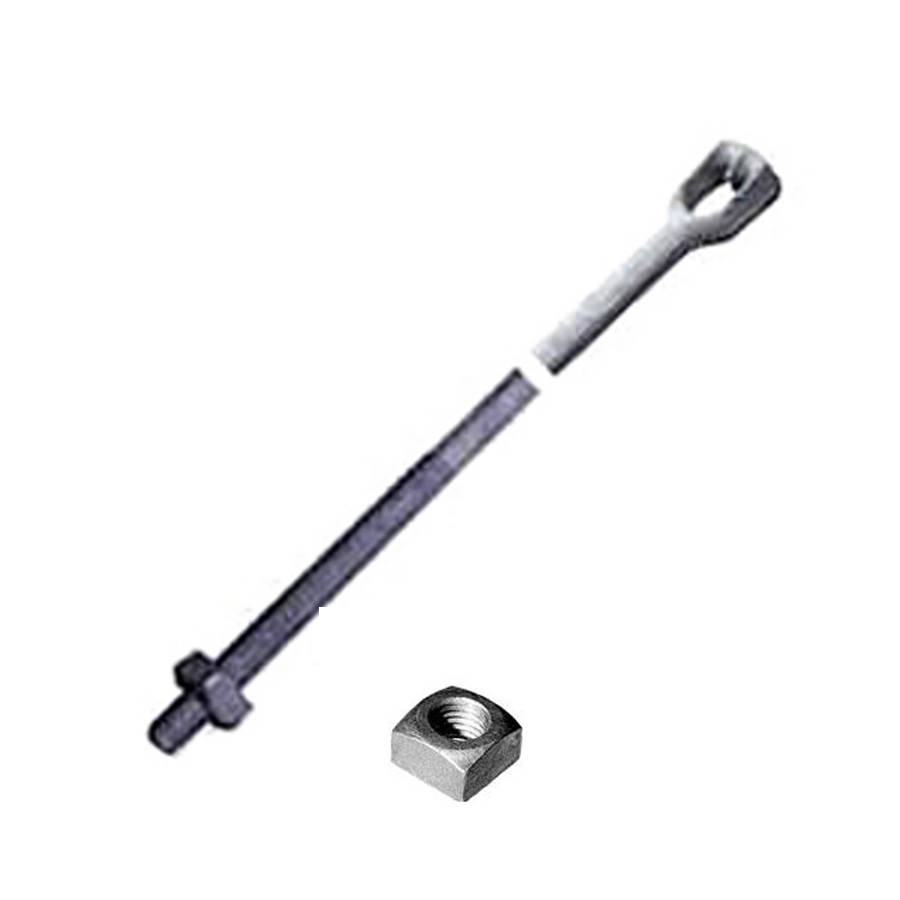
- Ground stabilization and rock mass reinforcement – the anchor rods stabilize rock masses by binding fractured rock layers to competent strata. The rods limit block movement and prevent rock falls in tunnels, shafts, and stopes.
- Load transfer and stress redistribution—earth rods work by transferring loads from unstable rock zones into stable rock. Using properly designed anchor systems helps control convergence, reduce stress concentration, and maintain the designed excavation profile.
- Support exaction and mine openings – anchor rods provide structural support for roofs, sidewalls, benches, and slopes. They enable the safe development of haulage drifts, ventilation raises, and access tunnels.
- Integration with ground support systems – anchor rods work with shotcrete, wire mesh, steel sets, and lattice girders. Anchor rods interact with the systems and provide immediate and long-term reinforcements.
Critical mineral projects reshaping Argentina’s mining landscape
Argentina’s mining sector is evolving toward a diversified portfolio anchored in crucial minerals such as lithium and copper. These minerals are critical to global energy transition, electrification, and battery supply chains. Increasing support and investments help to scale production and attract international capital. These key minerals include:
- Lithium projects—the Cauchari-Olaroz in the Jujuy region has one of Argentina’s most advanced lithium projects. The region produces lithium carbonate from brine and has emerged as a key lithium producer. This project contributes to a global supply of battery-grade lithium for electrification. The Salta province is also advancing toward expanded production capacity and represents major foreign direct investments in Argentina’s lithium sector. Other lithium production projects include Tres Quebrads in Catamarca province, Pozuelos-Pastos Grandes in Salta province, and Centenario-Ratones & Sal de Oro.
- Copper and base metals – The Los Azules project in San Juan province received government approval under an investment incentive regime. It is expected to begin copper cathode production by 2029 with the aim of generating export revenue and employment. The Josemaria mine combines copper with gold and silver mining. Other projects include the El Pachón project in San Juan province and the MARA integrated project in Catamarca province.