
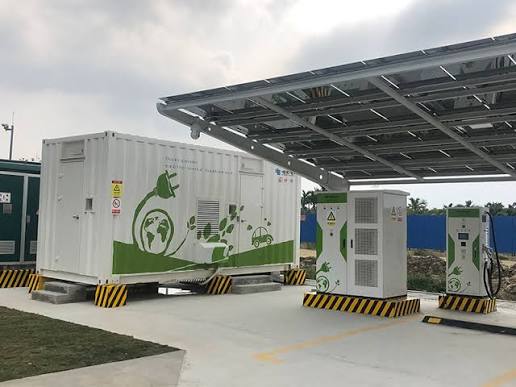
YPF, Argentina’s state-owned energy giant, announced it signed a letter of intent with Tesla to explore partnerships on fast-charging infrastructure, battery energy storage, and other technologies. This shows Argentina’s goals for expansion and decarbonization. Despite the agreement being non-binding, it establishes a framework for evaluating projects that could reshape the electric mobility ecosystem. Argentina also presents a unique opportunity for Tesla with its abundant lithium reserves supporting the growing electricity demand. Tesla can leverage its expertise in charging infrastructure and energy storage systems. This will allow the company to build supporting infrastructure before large-scale vehicle adoption occurs. The development and expansion will use reliable power line products such as secondary clevis. YPF already has a network of 1,660 service stations that account for over 30% of Argentina’s retail fuel market. This makes it easy to convert selected stations into EV charging hubs to reduce deployment costs.
The secondary clevis of deadend clevis is a D-shaped galvanized steel bracket fitted with a pin or bolt. It secures low-voltage distribution lines, spool insulators, and guy wires to utility poles. The clevis serves on utility poles outside of the charging station to secure conductors coming from the distribution transformer down to the station’s service entrance. Secondary clevises absorb the physical tension of the lines at corner or deadend positions to prevent cable sag. Additionally, the clevis serves in the BESS used alongside EV charging hubs for peak shaving. It connects to the low-voltage side of the local transformer. Secondary clevises secure the open-wire circuits or insulated aerial lines routing power between the grid, the storage enclosure, and the chargers.
Quality assurance for the secondary clevis used in electric vehicle infrastructure

As Argentina expands its electric vehicle networks, BESs, and renewable energy integration, it is crucial to enhance the reliability of transmission and distribution hardware. A secondary clevis serves as a mechanical connection component in overhead distribution systems supplying electricity to charging stations, substations, and BESS facilities. Quality assurance ensures the clevis can withstand mechanical, electrical, and environmental stresses throughout their service life. QA prevents secondary clevis failure that can compromise distribution lines feeding charging hubs, causing service interruptions and reduced network reliability. The QA process includes material verification, precision manufacturing, mechanical testing, and standards compliance. Quality-assured clevises support resilient grids, reduce maintenance costs, and enable dependable power delivery for Argentina’s clean energy ecosystem.
Functions of the secondary clevis in electric vehicle infrastructure in Argentina
The deadend clevis provides secure mechanical connections between insulators and other line hardware to ensure safe power delivery. It is a crucial component in the distribution networks that supply electricity to EV charging stations, substations, and energy storage facilities. Here are the key roles of the clevis in the infrastructure.

- Connecting insulators to distribution line hardware – the secondary clevis provides a secure connection between insulators supporting crossarms, yoke plates, and suspension clamps. It supports distribution lines delivering electricity from substations to charging hubs and fleet charging depots.
- Supporting mechanical loads – the clevises transfer mechanical loads generated by conductors and related hardware. Reliable mechanical load transfer helps maintain stable overhead distribution lines supplying power to EV infrastructure.
- Maintaining proper insulator alignment – insulators should be aligned to provide enough electrical clearance and insulation. Secondary clevises keep insulator strings vertical, maintain conductor spacing, and prevent twisting of hardware assemblies.
- Enhancing distribution network reliability – EV charging infrastructure needs stable electricity supplies with minimal interruptions. The clevises prevent hardware separation, maintain secure conductor support, and preserve the integrity of overhead line assemblies.
Innovations supporting electric vehicle network development in Argentina
Argentina is advancing its electric vehicle ecosystem through investments in charging infrastructure, renewable energy, and BESS systems. These innovations create the technical foundation needed to support EV adoption while improving grid reliability. Common innovations for this development include:
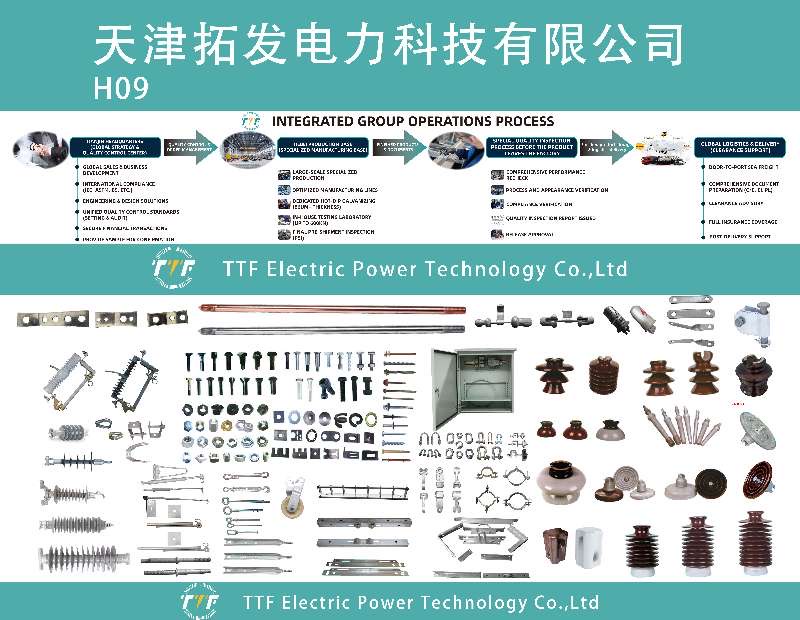
- Expansion of charging infrastructure – modern charging technologies offer high-power chargers, smart charging management systems, remote monitoring, and dynamic load balancing. The collaboration between Tesla and YPF shows how Argentina is leveraging its existing fuel station networks.
- Smart grid technologies: These innovations include advanced metering infrastructure, automated distribution management systems, real-time grid monitoring, and digital substations.
- Vehicle-to-grid technology (V2G) enables EVs to return electricity to the grid, provide emergency backup power, and improve grid stability.
- Internet of Things connectivity – modern EV charging stations connect through IoT technologies. This allows operators to monitor equipment remotely, diagnose faults, and optimize charger availability.