
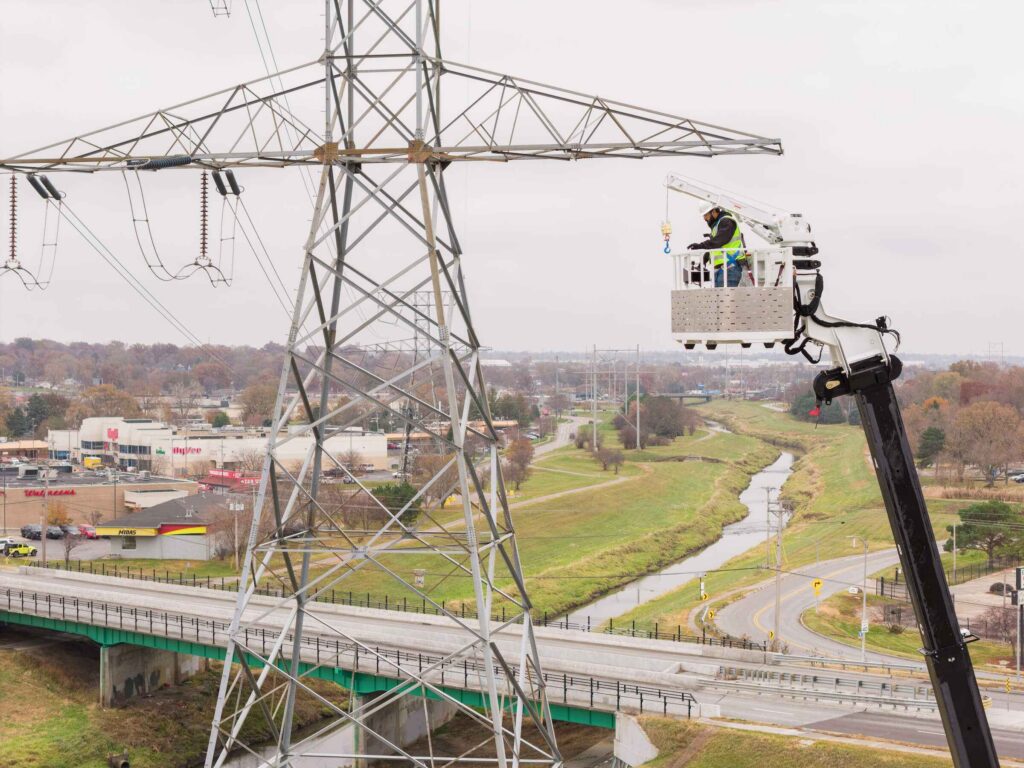
The Brazilian unit of the Portuguese electric group EDP Energias de Portugal SA plans to invest BRL 450 million to expand and modernize the power transmission lines and substations. EDP’s investment will create the conditions to meet the growing demand from data centers, high-tech industries, and the agribusiness sector. This planned investment is also part of a strategy for positioning Goias as EDP’s center for power transmission. The investment will also create emphasis on capacity expansion, reliability, automation, digitalization, and new grid connections. The investment will support improvements to substations, replacement, and modernization of equipment, advanced protection systems, automation, and connection points. These technologies can improve fault detection, system protection, remote monitoring, and operational flexibility. These connections rely on robust power line hardware such as ABC deadend clamps. These clamps anchor and terminate all aluminum alloy conductors or aerial bundled cables.
ABC deadend clamps secure end points for a line and manage the high tension and mechanical loads at the end of a cable run. Most of the clamps use a wedge-type mechanism that tightens its grip on the cable as tension increases. The clamps also manage cable tension, prevent slippage, and secure lines in harsh weather and long spans. They provide reliable connection points before the line connects to transformers. This allows for easier installation and maintenance. ABC deadend clamps serve in upgrades to compact and insulated ABC lines. These clamps are from corrosion-resistant materials like hot-dip galvanized steel, high-grade aluminum alloys, and UV-resistant polymers. These materials help them withstand significant tension and a clamp’s minimum breaking load.
Importance of quality assurance for ABC deadend clamps in Brazil’s transmission modernization
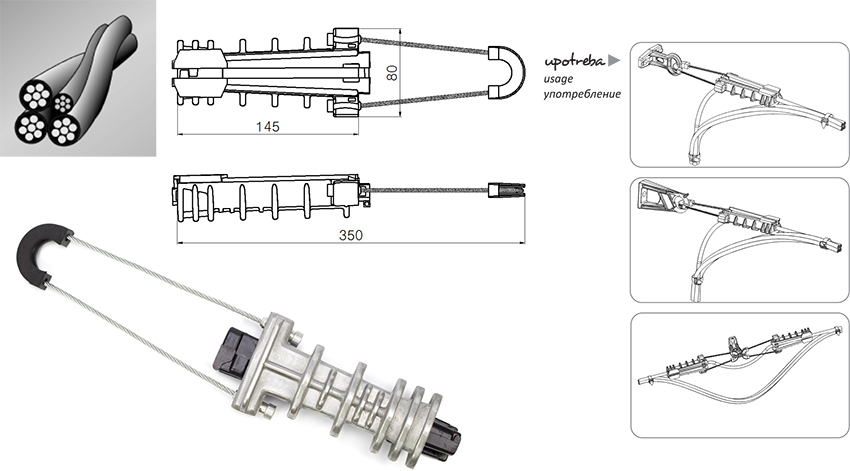
Quality assurance for ABC deadend clamps is crucial when Brazil expands and modernizes overhead electricity networks. The clamps anchor the cable at line ends and major changes in direction. They transfer the specified tensile load to the supporting structure. Quality assurance for the clamp covers raw material verification, dimensional inspection, mechanical-load testing, cable insulation protection, corrosion testing, and polymer wedge quality. During the clamp installation, QA controls correct clamp model selection, proper cable insertion, correct wedge positioning, correct connection to the bracket, visual inspection after installation, and verification of mechanical security. The investment in new transmission lines, substations, digital monitoring, and network reinforcement needs hardware that can maintain mechanical performance through its service life. QA confirms that the ABC deadend clamp can maintain mechanical integrity, protect the cable, and resist Brazil’s outdoor operating environment through its intended service life.
The roles of ABC deadend clamps in Brazil’s transmission modernization
Brazil’s transmission modernization depends on higher network capacity, improved reliability, digitalization, and integration of new electricity demand. ABC deadend clamps provide a mechanical interface between bundled cables and supporting structures. Their performance affects the mechanical security and service reliability of the overhead line. Here are the roles of the ABC deadend clamp in transmission modernization.
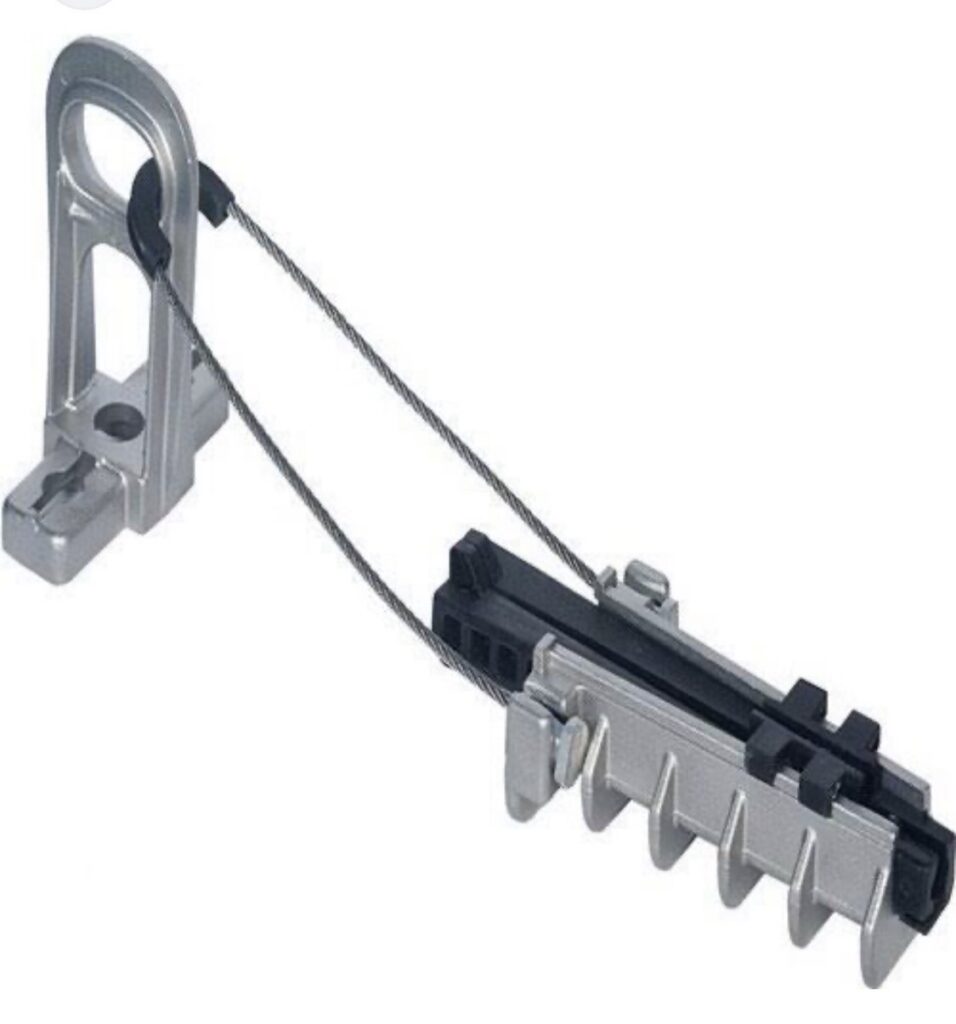
- Securing ABC cables at termination points—the ABC deadend clamp anchors the bundled cable to a pole, tower, bracket, or other supporting structure at a termination point. They prevent uncontrolled cable movement and maintain the intended geometry of the line.
- Maintaining mechanical stability—transmission and distribution conductors experience mechanical forces from wind, temperature changes, conductor weight, and installation tension.
- Supporting reliable network expansion—the growing electricity demand in the region increases the need for extra transmission capacity and new connection points. The clamps provide reliable termination points for ABC systems.
- Protecting the cable during mechanical loading—the clamp should provide enough gripping force without damaging the cable or its insulation.
The significance of investments in Brazil’s transmission works
The EDP investment and its Brazilian operations will strengthen Brazil’s electricity transmission infrastructure. Its investment will support transmission lines, substation expansion, equipment replacement, automation, teleprotection, digitalization, and optical-fiber infrastructure. Here are the roles of the investment in Brazil’s energy sector.
- Expanding transmission capacity—investment allows EDP to expand transmission lines and increase substation capacity. Transmission infrastructure is crucial for moving electricity across regions and integrating generation with demand.
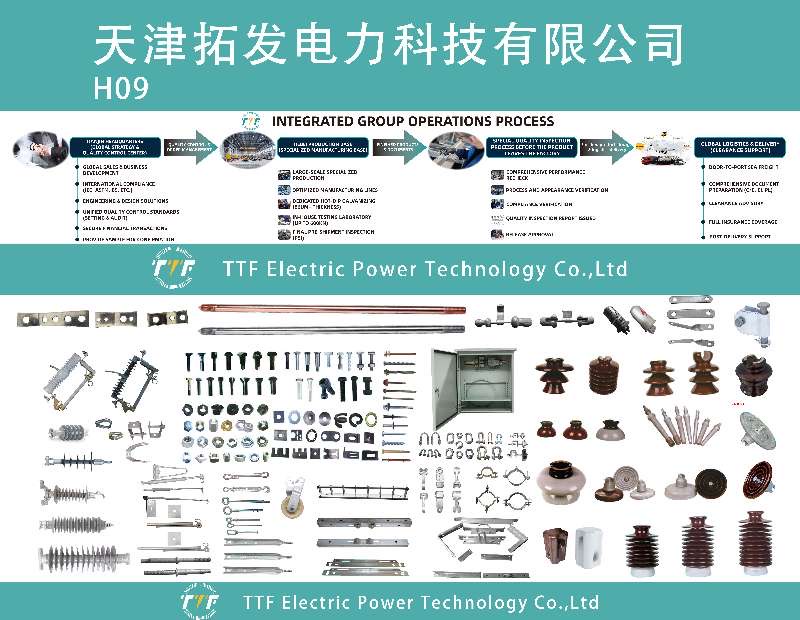
- Modernizing substations and electrical equipment—the investment contributes to the replacement and upgrading of aging transmission equipment. This creates demand for protection and control systems, instrument transformers, surge arresters, ABC deadend clamps, and cable accessories.
- Accelerating grid digitalization—upgrades in optical fiber can support high-speed communications for teleprotection, substation automation, supervisory control, and fault detection.
- Supporting renewable energy integration—investment in transmission complements investment in renewable generation. It creates grid capacity needed to transport clean electricity.