
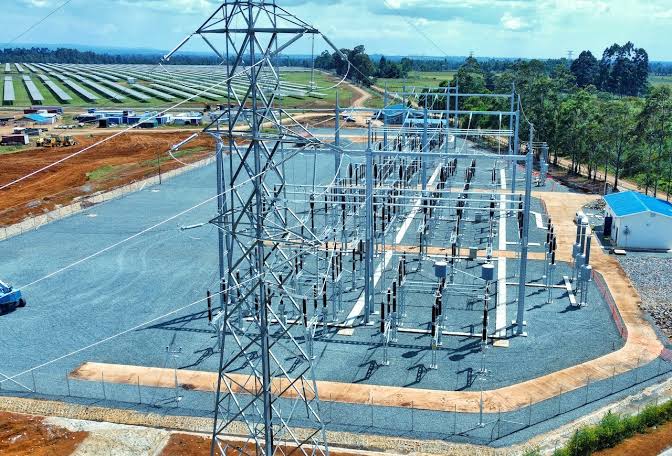
A Chilean solar plant, the 103 MW Huatacondo solar plant, and its 98 MW/312 MWh BESS have been offline following a cyberattack. At the same time, RNE requested the forced disconnection of the 220/23 kV TR1 transformer at the Santa Rita substation, citing a cyberattack. Chile should put up measures to enhance security in grid reliability, battery storage, and the renewable energy infrastructure. Solar power plants also need robust operational technology security, reliable electrical protection systems, and contingency plans that address digital and physical infrastructure failures. A cyberattack can disrupt electricity generation without damaging solar panels, inverters, transformers, or battery cells. The prolonged unavailability reduces the amount of renewable electricity available to the grid. Modern solar plants depend on digital systems to monitor equipment, communicate with grid operators, and coordinate electrical protection. These systems will demand development of SCADA systems to monitor substation connections, straight line deadends, and grounding systems.
Straight-line deadends serve in overhead transmission lines to terminate conductors and transfer mechanical tension to support structures. They anchor the power lines carrying solar-generated electricity and ensure the conductors remain taut and stable as they connect the solar farm to the substation. The deadends secure the end of a conductor and maintain constant tension. This helps prevent the cable from slipping or sagging under mechanical stress. Straight-line dead ends establish proper ground clearance for long-distance lines originating from remote solar sites. The deadend transfers the mechanical load of the conductor to the supporting tower. This prevents structural deformation and balances longitudinal forces where the line changes direction.
Importance of quality assurance for straight line dead ends in Chilean solar power infrastructure
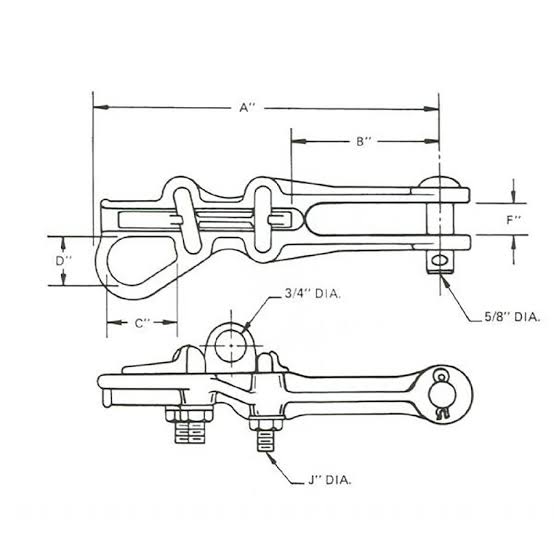
Quality-assured straight-line deadends maintain the mechanical integrity, electrical reliability, and service life of overhead conductors in Chilean solar power infrastructure. The deadends help secure conductors at designated termination points. They withstand tensile loads, wind-induced movement, temperature changes, and environmental exposure. Solar projects need overhead lines that connect generating facilities to substations and transmission networks. Quality assurance helps detect defects that cause conductor slippage, localized damage, or mechanical failure. The suitability of the straight-line deadends depends on the fitting design, conductor type, installation geometry, and applicable engineering standards. QA ensures the deadends meet their specified design, material, mechanical, and environmental requirements. The process covers raw material inspection, dimensional inspection, mechanical strength testing, corrosion protection, and conductor protection. Quality assurance for solar power plants reduces the risk of conductor slippage, fitting deformation, and mechanical failure.
Straight lines deadend in solar power plants and infrastructure in Chile.
Straight-line deadends secure conductors at designated points and transfer tensile loads to supporting structures. They help connect solar power plants to substations and transmission networks. They maintain the required load transfer at designated connection points. Here are their key roles in solar power plants in Chile.
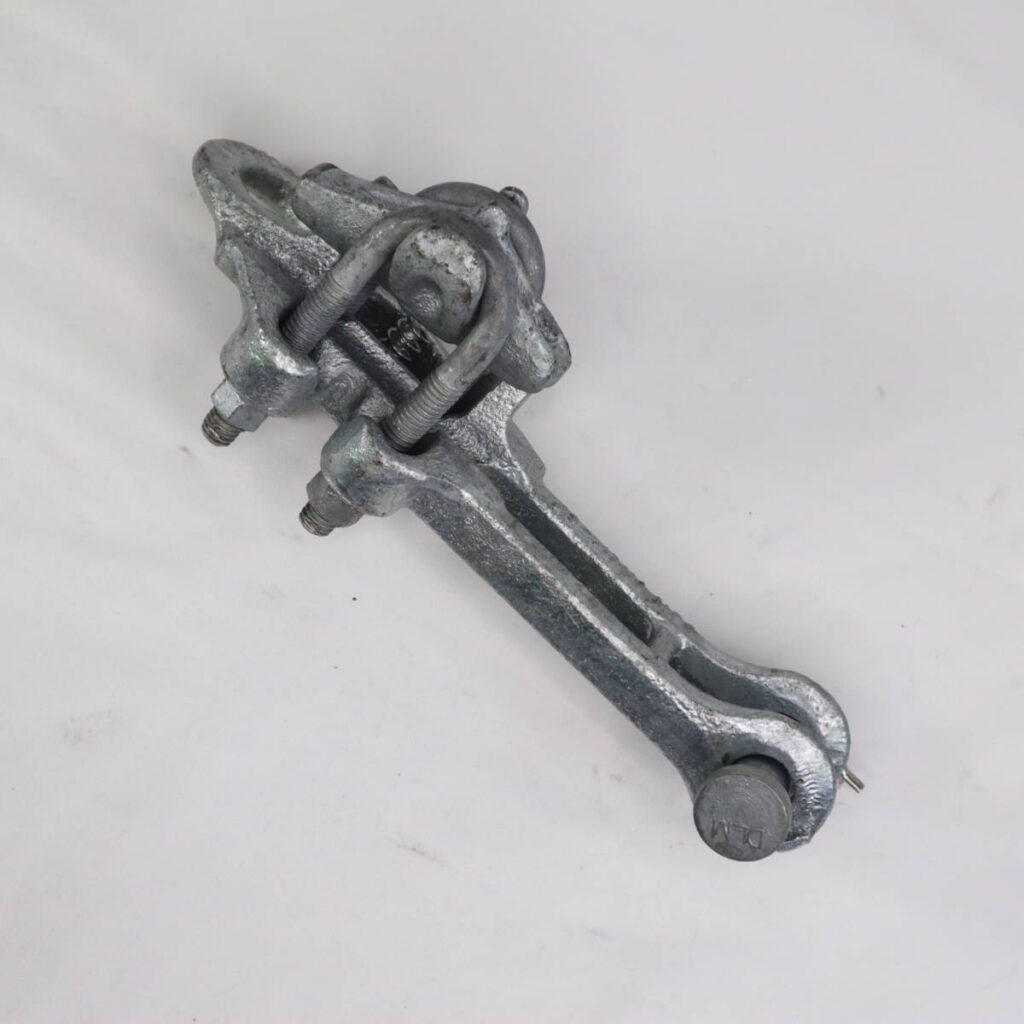
- Securing conductors in solar plant grid connections: the deadends secure conductors in overhead electrical networks where the design needs a deadend-type fitting. They also help maintain the conductor’s position within the fitting and provides a secure mechanical connection.
- Transferring mechanical loads to supporting structures: deadends secure conductors and transfer specified tensile loads through the fitting to the supporting structure. They maintain their integrity under the environmental conditions along the route.
- Supporting reliable electricity transmission: straight-line dead ends enhance the mechanical reliability of overhead line connections. Straight-line dead ends help maintain the intended mechanical arrangement and reduce the risk of fitting-related failures.
- Maintaining conductor integrity: the deadend must grip the conductor without damaging the strands. The deadend maintains the conductor’s mechanical integrity at the gripping point.
Measures Chile can implement to protect solar power plants from cyberattacks
Chile needs to strengthen cybersecurity across renewable energy infrastructure after the 103 MW Huatacondo solar plant was attacked. Modern facilities depend on interconnected operational technology, SCADA systems, power plant controllers, inverters, battery management systems, and remote monitoring platforms. A compromise affecting the communications systems can disrupt plant operations. Chile can reduce these risks through stronger regulation, network security, continuous monitoring, incident response planning, and coordination between energy companies and national cybersecurity authorities. The country can implement protection measures such as enforcing cybersecurity standards for the electricity sector, separating operation technology from corporate IT networks, and establishing continuous cybersecurity monitoring for solar power plants. These measures aims to secure critical control systems, isolate operational networks, restrict remote access, and establish tested procedures for safe recovery.