
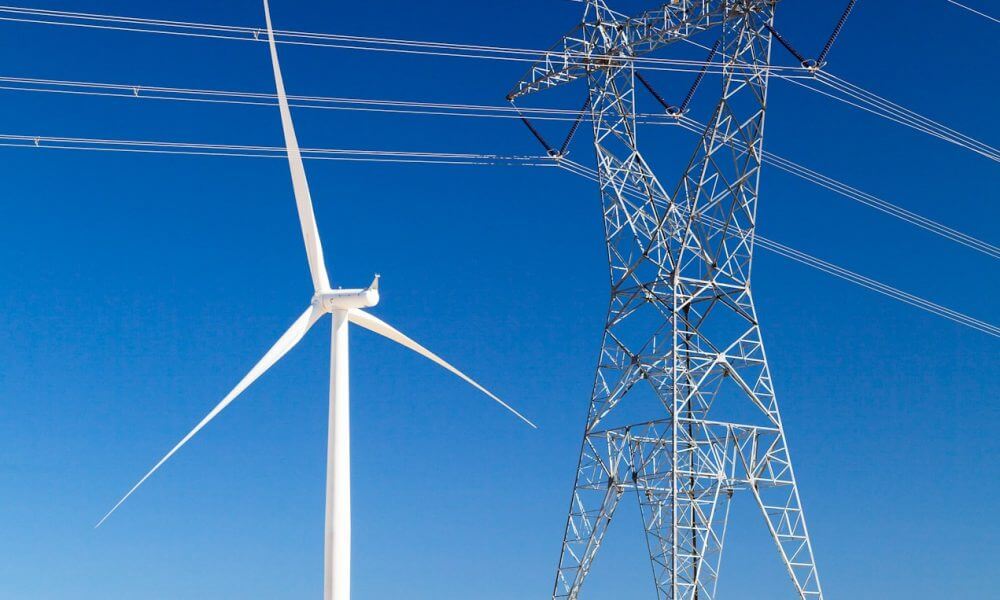
Aneel recently announced that the country connected 703.7 MW of solar and wind power-generating capacity to the grid. The country connected 26 new facilities, with 23 new wind plants accounting for 648 MW. Three new solar power plants that were put into operation added a total of 55.7 MW. Each new wind farm needs supporting electrical infrastructure to transfer generated power into the transmission network. This includes overhead transmission lines, substations, conductors, insulators, and line hardware. Wind farms and supporting infrastructure demand the use of robust transmission components such as insulated secondary clevis, deadend clamps, and grounding equipment. Engineers should select the components according to voltage requirements, mechanical loading, environmental conditions, and expected operating life. These components could help secure conductors and maintain electrical continuity between the wind farm and the transmission grid.
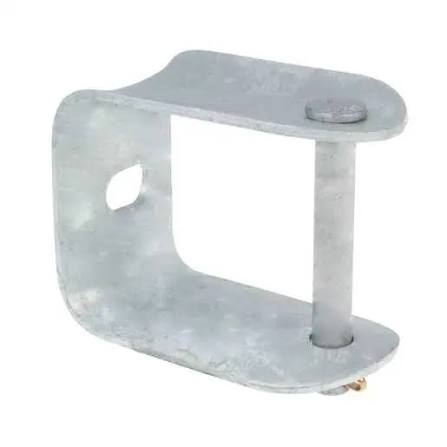
Wind farms use power transmission components to connect generated power to the national grid. Insulated secondary clevis mechanically supports and insulates low-voltage conductors on utility poles. The clevis anchors deadend secondary conductors and neutral wires at utility poles. This helps secure a spool insulator that holds the conductor and prevents it from slipping and maintaining proper tension. The bracket isolates the energized conductor from the grounded steel pole and ensures safety and proper electrical clearance. Some of the clevises have a pivoting design that allows the insulator to swing slightly with the line’s movement. This helps to relieve strain at corners or angles.
Quality assurance for insulated secondary clevis used in wind farms and transmission infrastructure
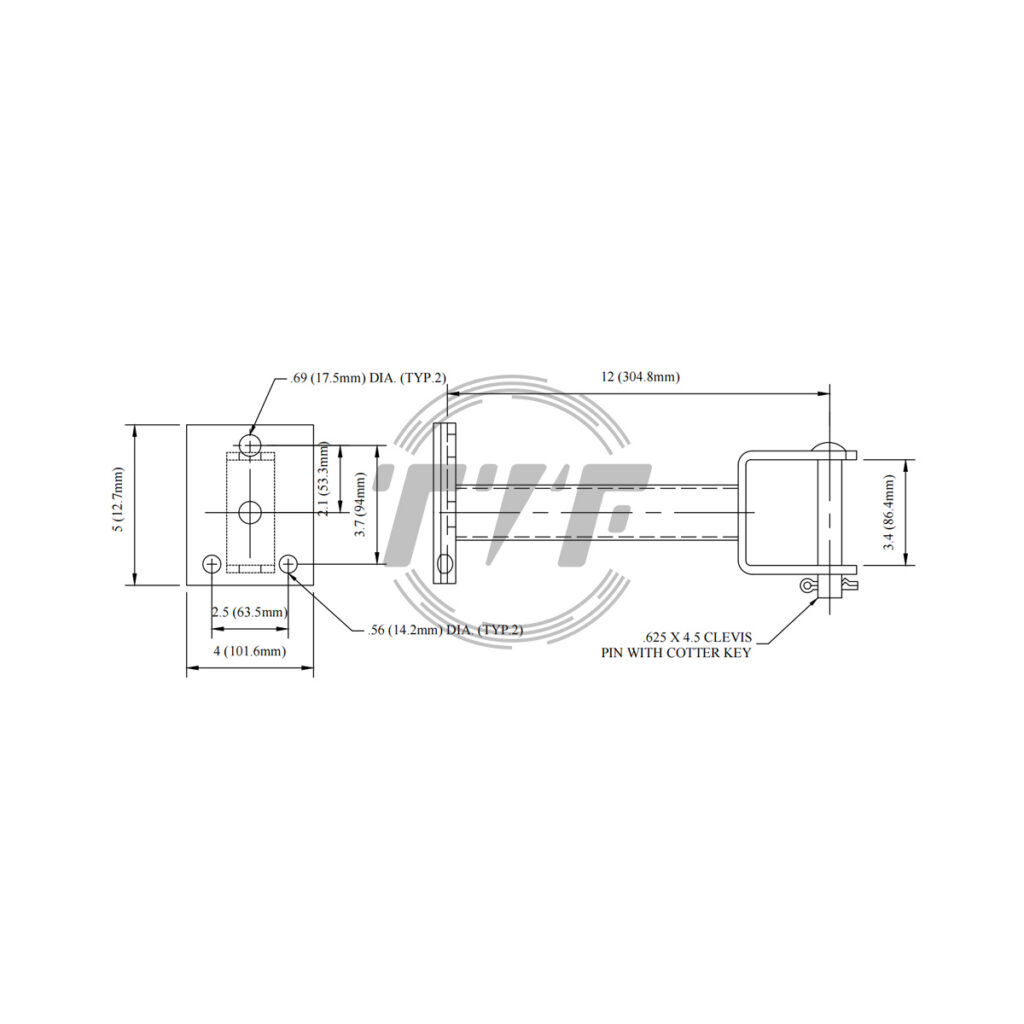
Insulated secondary clevis provide a mechanical connection between supporting structures and other line hardware. The expansion of wind generation and transmission infrastructure increases the need for reliable electrical connections across utility networks. The quality of the clevis prevents defects that compromise conductor support, damage insulation, and contribute to an electrical fault. The QA process covers material inspection and final product testing. This helps ensure that every insulated secondary clevis meets its specified mechanical, electrical, dimensional, and environmental requirements. Quality assurance checks material quality, dimensional accuracy, mechanical load testing, electrical insulation, dielectric testing, and corrosion protection. During installation, the crew checks for correct pin selection and retention, proper alignment with connected fittings, absence of cracks, correct positioning, and compliance with specified tightening requirements. It also helps manufacturers identify production defects, verify material performance, and reduce the risk of equipment failure after installation.
Importance of insulated secondary clevis in transmission networks supporting wind farms
Brazil’s wind energy sector depends on reliable electrical infrastructure to connect generating facilities to the grid. Insulated secondary clevis provide mechanical connections for secondary overhead distribution conductors and compatible insulator assemblies. Here is their contribution in transmission networks supporting wind farms in Brazil.
- Supporting auxiliary power distribution within wind farms: auxiliary electrical systems supply control equipment, lighting, monitoring systems, maintenance facilities, and other operational loads. Insulated secondary clevises provide attachment points for compatible insulators and conductor support arrangements.
- Supporting the connection between distribution networks and wind farm substations: the insulated secondary clevis supports secondary distribution circuits related to substations. The clevis helps secure compatible overhead secondary line assemblies.
- Maintaining mechanical stability in overhead distribution networks: an insulated secondary clevis provides a mechanical connection within the supporting assembly.
- Maintaining electrical insulation and reducing fault risks: electrical isolation protects energized conductors from unintended contact with grounded structures. The clevis helps reduce the risk of leakage current and electrical faults caused by direct contact between energized components.
Impacts of increasing wind energy in Brazil’s national grid
Brazil has strong wind resources that support the development of large wind farms that supply electricity to the national interconnected system. The expansion changes how Brazil produces, transmits, and manages electricity. Key impacts on the grid include:
- Increased renewable energy: wind power generation helps diversify Brazil’s electricity supply and reduce the amount of electricity coming from thermal power plants.
- Reduced dependence on hydropower: wind energy provides an extra generation source that can reduce the need to draw electricity from hydroelectric reservoirs when wind production is high.
- Increased electricity transmission between regions: expansion of wind power increases the need for high-voltage transmission lines, extra substations, reliable overhead line fittings, and protection and control systems.
- Increased pressure on transmission capacity: wind farms generate large amounts of electricity with limited existing transmission lines. This creates grid congestion that can lead to overloading of transmission equipment, restrictions on electricity transfers, and greater pressure on substations.