
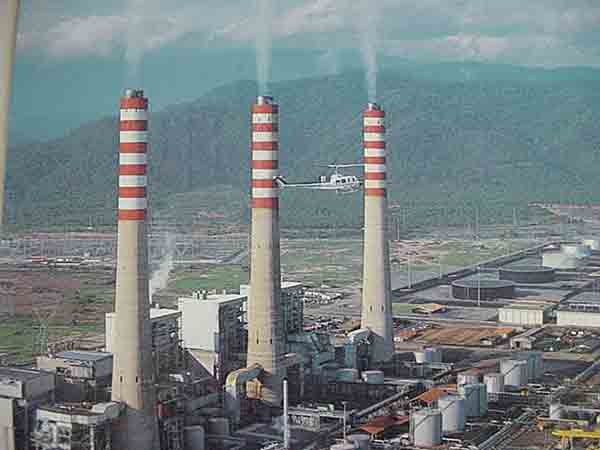
The aging infrastructure in Venezuela exposes the country to frequent blackouts and power crises. The power crisis also arises from the dependence on hydropower, which accounts for 60% of the total electricity supply. Hydroelectric power output has dropped by 40% since 2020 due to prolonged drought and infrastructure decay. This also demands increased investments in turbine modernization following the collapse of the Guri Dam. The power crisis in the country has resulted in increased power cuts, with some regions experiencing blackouts averaging 12 hours a day. The power crisis is also rooted in economic collapse, political instability, poor infrastructure, and environmental vulnerability. The country should adopt sustainable investment, systemic reforms, and strategic infrastructure reforms. The use of deadend clamps helps in stabilizing and reinforcing electrical infrastructure.
In Venezuela, where power outages are frequent due to aging and poorly maintained transmission networks, deadend clamps help improve grid reliability and help mitigate the power crisis. Deadend clamps grip and terminate power cables at end poles, angle towers, or substation connections. This helps prevent slippage or detachment caused by wind, thermal expansion, or mechanical stress. They help reduce line failures, which are major causes of blackouts in Venezuela’s failing grid. Deadend clamps reduce sagging, which can lead to short circuits. They also dampen aeolian vibrations, which can fatigue and break conductors over time. Deadend clamps are made from galvanized steel or aluminum alloy that enables them to resist corrosion. Using the clamps in Venezuela’s grid helps reduce blackouts, strengthen weak grids, and lower maintenance costs.
Deadend clamps in reducing Venezuela’s power crisis
Deadend clamps play a crucial role in improving grid reliability and reducing blackouts in Venezuela. They help strengthen overhead power lines that face extreme weather, vandalism, and failing electrical systems. A deadend clamp is a mechanical device used to anchor conductors at the endpoints of power lines. They securely hold conductors without slippage, absorb tension, and prevent mechanical stress from damaging the hardware. The clamps provide stable terminations for power lines to ensure electrical continuity and mechanical strength at critical points. Here are the functions of deadend clamps in reducing the power crisis in Venezuela.
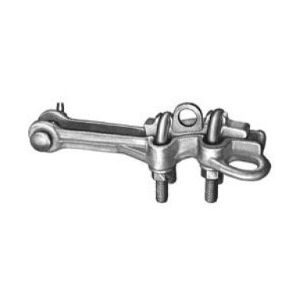
- Preventing power line failures—the main cause of outages in the country is mechanical failure of overhead lines. This is due to aging infrastructure and harsh weather. Deadend clamps ensure a firm grip, reduce the risk of line detachment, and reduce energy loss.
- Enhancing grid resilience—the energy infrastructure faces storms, theft, sabotage, and low maintenance levels. Deadend clamps provide long-lasting anchoring solutions that resist tampering and corrosion. They contribute to a more resilient grid in remote and high-risk areas facing service interruptions.
- Supporting rapid restoration after outages—deadend clamps enable quick conductor installation and reconnection with minimal tools. They are also compatible with modern and legacy infrastructure crucial to the aging grid.
- Smarter infrastructure upgrades—deadend clamps are crucial in upgrading power lines to support heavier loads and support hybrid installations.
- Reducing maintenance costs—maintenance-free deadend clamps reduce the need for regular inspections. This is crucial in allowing limited resources to be redirected to more urgent grid upgrades.
Strategies to prevent a power crisis in Venezuela
Venezuela’s unstable grid, overreliance on hydropower, decaying infrastructure, and political mismanagement cause recurring blackouts. Over the years, there have been mitigation strategies to stabilize and improve the national electricity system. These measures provide a hope for reducing the frequency and severity of power outages. These measures include:
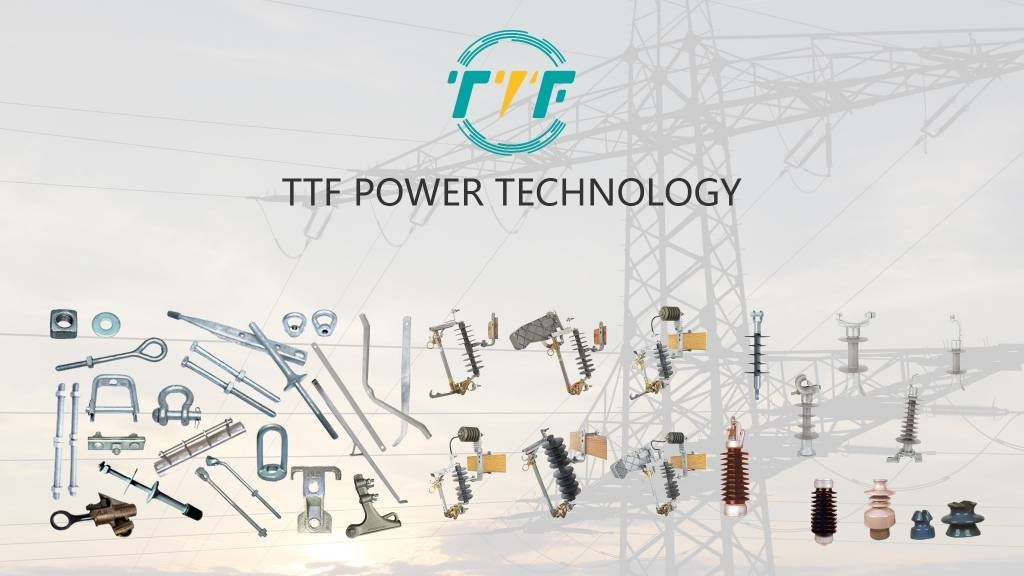
- Infrastructure and component upgrades—the industry focuses on repairing and reinforcing the nation’s grid. This is done by replacing aging components such as transformers, insulators, dead-end clamps, and conductors.
- Diversification of energy sources—the country is working to reduce its dependence on the Guri hydroelectric plant. This is mostly through solar panel installations, exploring wind energy potential, and revival of thermoelectric plants to balance generation.
- Load management programs—the government and power companies have introduced rotational blackouts, time-of-use tariffs, and public awareness campaigns.
- Decentralized and off-grid solutions—creating localized power systems reduces dependence on the fragile national grid. These systems include microgrids powered by solar, battery storage systems, and distributed energy generation.
- International partnerships and technical help—Venezuela has sought support from allies and international organizations to improve its energy systems. These partnerships include technical help, discussions with multilateral development agencies, and joint ventures for importing energy equipment.