

Bolivia is integrating the Internet of Things into electrical grids, creating smart grids. This represents a paradigm shift from a centralized, one-way power delivery system to a dynamic, intelligent, and bidirectional network. The adoption of IoT-driven smart grid technologies enhances grid reliability, integrates renewable energy, and empowers consumers. The vast natural resources in Bolivia ease IoT and smart grid integration. A smart grid uses digital communication technology, sensors, and data analytics. Bolivia’s grid in remote areas can be prone to outages and fluctuations. Incorporating IoT solutions like real-time monitoring allows for predictive maintenance. Sensors can detect transformers overheating or lines sagging before they fail. The immense solar and wind potential offers an intermittent power supply. Using a smart grid can help manage the flow of energy from distributed sources like solar farms and rooftop panels. Drop wire clamps secure the electrical cables running from a utility pole.
Bail wire clamps bear the full weight of the service drop cable and the tension from being stretched between the pole and the house. It also connects to the cable’s neutral messenger wire or the cable sheath. The clamps prevent the cable from swinging in the wind or detaching, which could cause a power outage or property damage. Drop wire clamps allow IoT and communication devices to mount easily. They secure the conduit for devices like line sensors and communication gateways. A secure connection from the clamps means the meter stays online and does not go into a reset. A properly installed clamp ensures a clean electrical path, which is essential for reliable two-way communication. Using high-quality, corrosion-resistant drop wire clamps helps withstand the diverse weather conditions in Bolivia.
Drop wire clamps in smart grids and IoT devices integrated into the grid.
A drop wire clamp is a small component used to secure and support aerial drop wires dropping into the buildings. It mechanically secures the cable to a pole and relieves strain on connectors and equipment. The clamps also help maintain clearance and prevent sagging that would damage conductors. Drop wire clamps are crucial when attaching sensors, gateways, smart meters, or small communications equipment to poles. Using drop wire clamps in IoT integration provides mechanical strain relief, stable RF positioning, cable management, and a grounding interface. Its key functions include:

- Providing reliability for rural IoT rollouts—proper clamps reduce field failures and mean time to repair. They are crucial as rural and dispersed communities use pole-mounted or rooftop IoT nodes.
- Enabling low-cost telecom attachments—standardized clamp assemblies speed up deployment of LPWAN gateways and private cellular backhaul used by utilities for smart meters.
- Protection from lightning and surges—high-quality clamps interface with surge arresters to prevent failures of meters and gateways. Their design at the clamp level affects the survival rate of the electronics.
- Scalability and maintenance savings—standardized drop wire clamps allow utilities and contractors to install IoT endpoints faster and safer. This helps reduce costs across large smart-meter rollouts.
Core technology building blocks deployed in Bolivia’s grid
Bolivia’s grid received large development loans and grants from the World Bank and IDB financing programs. This funding focuses on rural electrification, electrification, mini-grids, smart metering, and institutional strengthening. IoT components work together on the Bolivian grid to ensure end-to-end flow. These components include edge sensors and smart meters, edge gateways, ADMS (advanced distribution management systems), and LPWAN. These components help in remote turbine and asset monitoring and rural electrification with digital features. Here are the core technologies being deployed to support smart grid and IoT device integration into the grid.
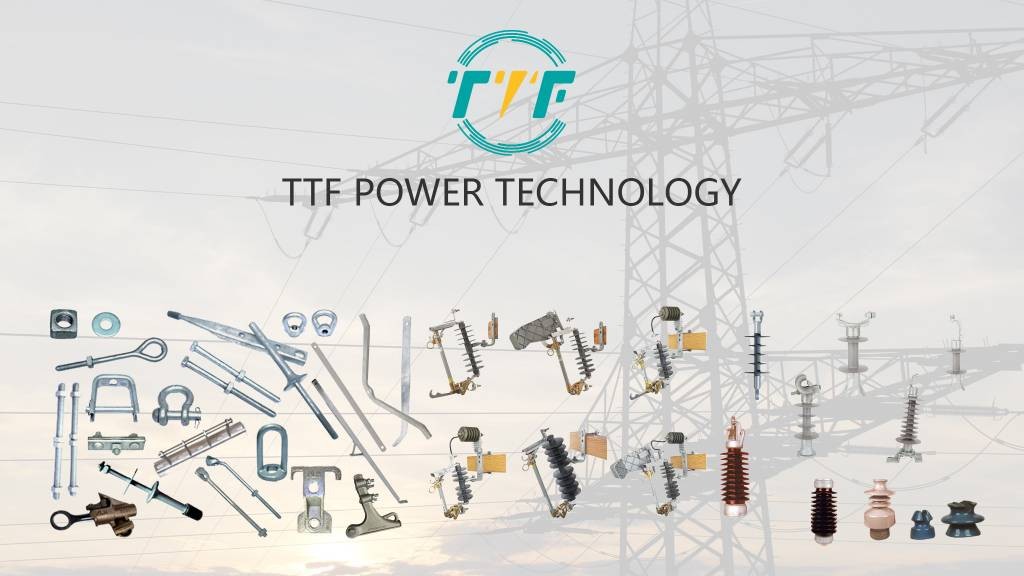
- Advanced metering infrastructure (AMI) and smart meters—these enable real-time consumption data, remote billing, and demand-side programs. AMI is central to utility digitalization and features in Bolivia’s electrification projects.
- Cellular IoT—low-power wide-area networks connect distributed sensors, smart meters, and environmental monitors in rural and urban settings without heavy costs.
- SCADA – upgrading legacy SCADA and adding ADMS allow utilities to perform outage management, fault location, and optimization of distributed generation.
- Edge computing and remote monitoring—data preprocessing at gateways reduces latency and bandwidth needs. Companies in Bolivia have implemented remote turbine and asset monitoring projects.
- Battery energy storage systems and hybrid mini-grids—coupling BESS with PV and diesel hybrids in mini-grids stabilizes variable renewables, and enables IoT controllers to manage energy flows for reliability.