
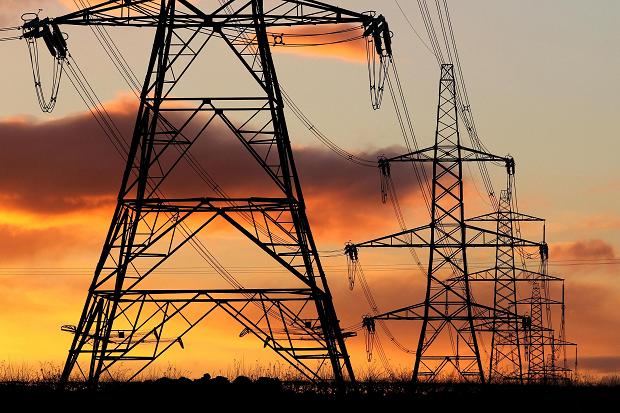
Peru’s ongoing rural electrification drive is as a result of increased rural electrification projects across 19 regions. Peru has made significant progress in electrification, with 95% increased energy access in urban zones. Remote highlands and Amazonian communities lag behind due to geographic, economic, and logistical barriers. Extending the traditional grid infrastructure prompts the government to adopt a mix of grid expansion and decentralized energy solutions. Electricity access enhances healthcare, education, communication, and security. Rural electrification creates opportunities for small businesses, agricultural value addition, and stimulating local communities. Rural electrification projects are designed to include solar, wind, and hybrid systems. This integration helps reduce reliance on costly diesel generation and dependence on hydropower. Ground rod coupling ensures safety, protects equipment, and guarantees the reliable operation of the electrification system. It enables the creation of a low-resistance connection to the earth.
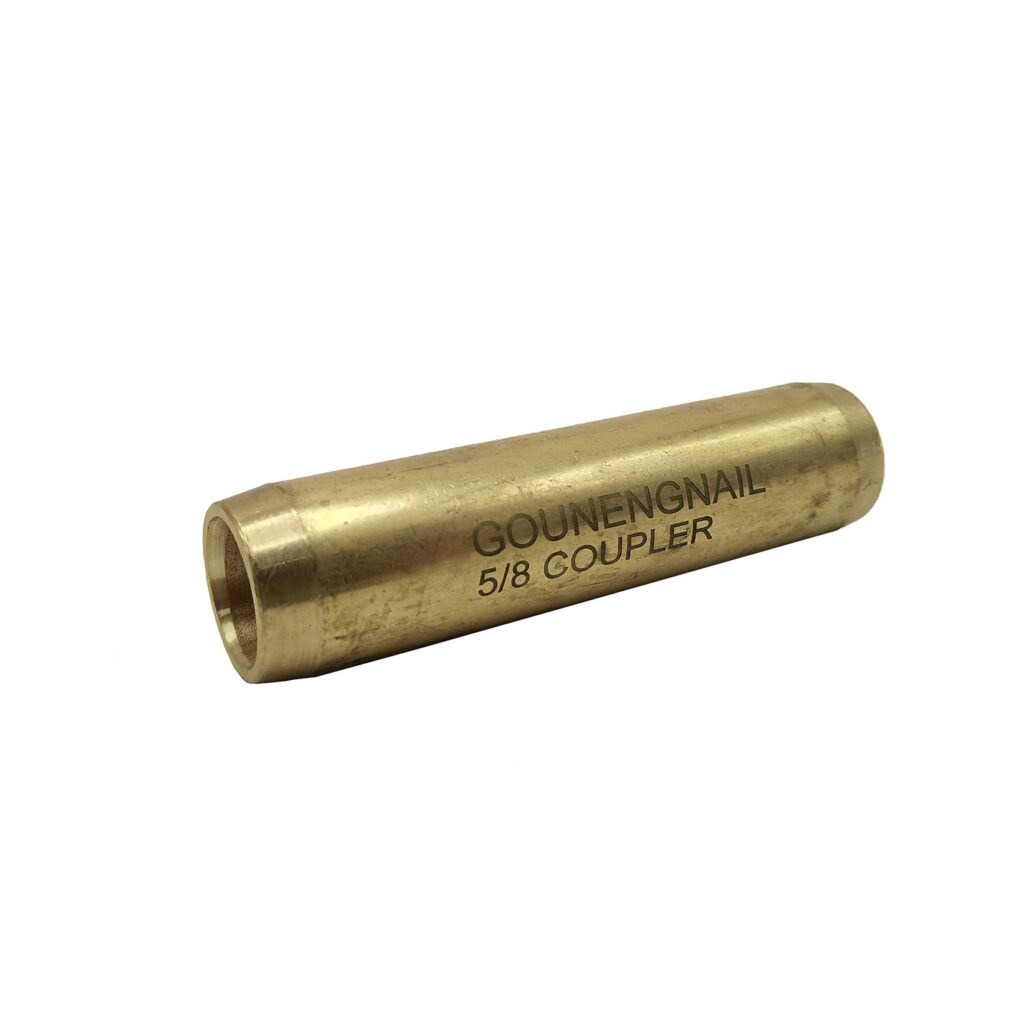
Ground rod coupling join two or more ground rods end-to-end to allow driving the rods deep into the soil to form a single, longer grounding electrode. The grounding system dissipates electrical energy safely into the earth. Ground rod couplings are crucial components in conditions with very high soil resistivity. The couplings are from galvanized steel or copper bonded for durability and resistivity. Ground rod coupling ensure the electrical system operates reliably to support rural electrification. They prevent risks of failure and dangerous faults on the electrical networks. Quality ground rod couplings help stabilize voltage levels and prevent fluctuations that can damage sensitive components like inverters, charge controllers, and monitoring equipment. Proper grounding shields sensitive communication and control signals from electrical noise generated by inverters and other power electronics.
Functions of ground rod coupling in rural electrification
Grounding systems are crucial in ensuring safe and reliable electricity delivery for rural electrification in Peru. Ground rod coupling helps extend and ensure the effectiveness of ground electrodes. They ensure the connections in remote communities operate safely and reliably under challenging conditions. A ground rod coupling is a connector used to join two or more ground rods to achieve the necessary depth for effective earthing. Here are the roles of ground rod coupling in electrification projects like solar and wind in Peru.
- Enhancing electrical safety—grounding systems protect people and equipment by safely dissipating fault currents, lightning strikes, and surges into the earth. Reliable grounding in solar and wind projects prevents dangerous overvoltages.
- Improving system reliability—renewable energy equipment like inverters, controllers, and transformers needs stable grounding to function correctly. Ground rod coupling ensure rods reach low-resistance soil layers, improve conductivity, and maintain voltage stability in off-grid and hybrid systems.
- Easing scalability in projects—coupling allows modular grounding systems, where new rods can connect to existing ones without redesigning the earthing system.
- Adapting to challenging terrain—coupling enables longer and deeper connections to access conductive layers for remote projects.
- Supporting lightning protection—ground rod coupling form part of a lightning protection system to protect infrastructure and reduce downtime in energy projects.
- Ensuring compliance with standards—ground rod coupling help designers and contractors meet standards without oversizing other system components.
Innovation supporting Peru’s rural electrification
Technological and policy innovations are able to overcome Peru’s geographic and economic challenges. This supports the efforts to deliver reliable power to rural communities. Innovation supports the government’s goal of achieving 96% rural electrification by 2027. By combining technology, finance, policy, and community participation, Peru can build a resilient and inclusive electrification model. The key innovations include
- Decentralized renewable energy systems—solar mini-grids—are modular, easy to scale, and suitable for dispersed populations. Solar, battery, and diesel backup combinations ensure continuous supply during cloudy periods.
- Smart grid and remote monitoring solutions—digital control systems allow remote monitoring of performance, failures, and energy usage. This reduces maintenance costs in areas with logistical challenges.
- Innovative financing models—government initiatives and donor-backed programs—bring private companies into rural electrification. Households pay small installments through mobile money for solar kits, which makes electricity more affordable and accessible.
- Microgrid integration and energy storage—advanced battery storage is helping rural projects achieve reliability by balancing intermittent solar and wind generation.
- Grid expansion with innovative infrastructure—transmission and distribution technologies such as insulated conductors and prefabricated substations help reduce costs. Grounding innovations like ground rod coupling and composite insulators enhance system safety in rocky areas
.