
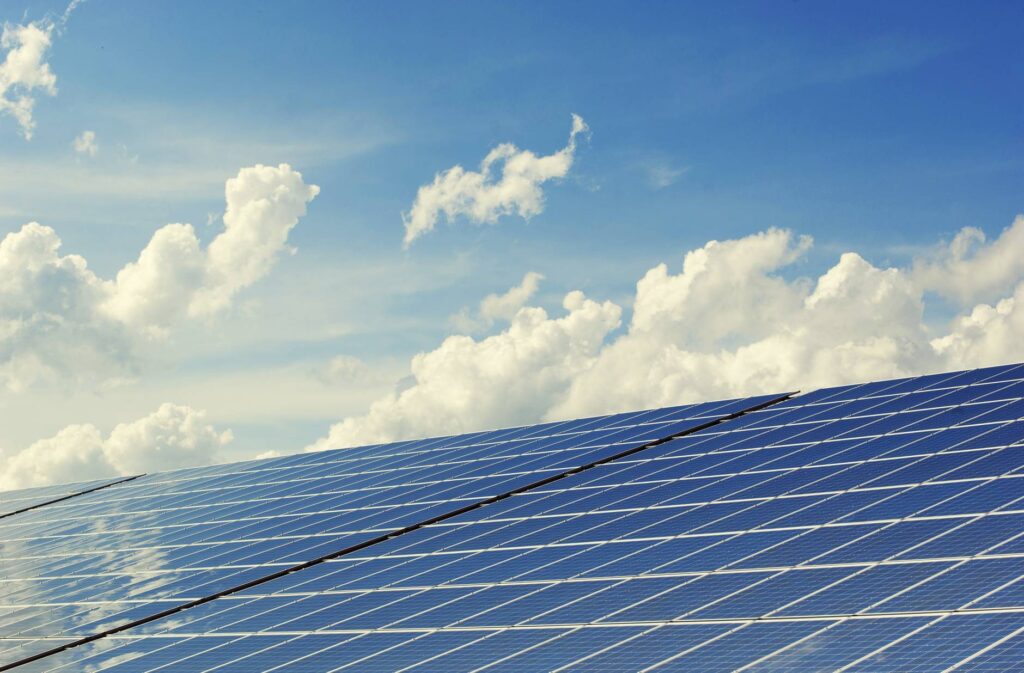
Argentina is consolidating its position as a solar market in the region based on its technical maturity and improved financial conditions. This comes after surpassing 7,900 MW of installed renewable capacity with 2,500 MW of solar PV. There are several measures that support solar PV growth, like high solar irradiation zones, industrial demand for clean energy, and energy diversification strategy. This growth helps Argentina transition toward a hybridized model with utility-scale and distributed generation, solar and storage integration, and merchant exposure. The next phase of consolidation will depend less on capacity additions alone and more on grid infrastructure, regulatory consistency, and the ability to integrate variable renewable energy at scale. The development also includes the deployment of single-axis trackers and bifacial modules, and SCADA-driven predictive maintenance has improved capacity. These interconnections use robust hardware such as guy clamps to stabilize the support structures of large-scale solar farms.
They secure tensioned cables that act like anchors to keep tall structures upright against wind and other forces. The clamps stabilize tracker posts, poles, and sensor masts in utility-scale solar projects. They secure guy wires to connect the top of the structure to a ground anchor to create tension. The clamps prevent structural sway and collapse from dynamic loads. Guy clamps secure the wires that hold tracker posts in solar farms and prevent excessive sway and collapse from wind. They anchor sensor masts and power transmission poles that serve the solar plant to keep them stable under tension. They connect the wire to the tracker post at the top and to a ground anchor at the bottom. Guy clamps wrap around the person wire like a helix to provide a non-slip termination that distributes the load without damaging individual wire strands.
Quality assurance for guy clamps used in solar PV plants
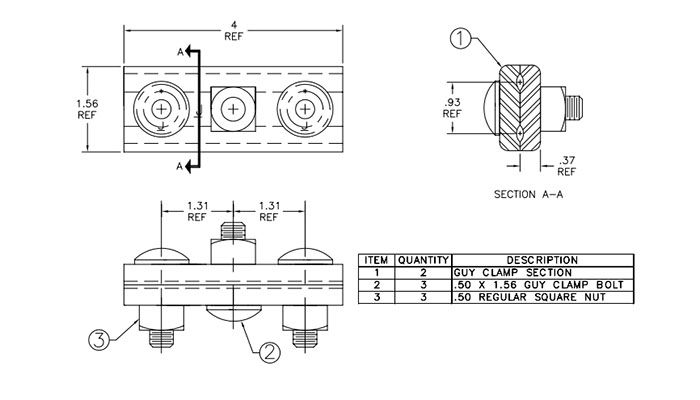
Conducting quality assurance for guy clamps ensures mechanical integrity, electrical continuity, and reliability under high irradiance, wind loading, and corrosive environments. Guy clamps in PV plants serve in guyed support structures, grounding systems, and cable management assemblies. Quality assurance intersects the structural engineering and electrical safety domains. QA ensures that clamps maintain mechanical load-bearing capacity, provide reliable electrical bonding, resist corrosion and environmental degradation, and comply with international standards. The process begins through material certification because the PV clamps operate under exposure to UV, moisture, and temperature cycling. The process also includes mechanical performance testing; electrical continuity, dimensional, and installation; and environmental and durability and quality assurance. Performance for guy clamps relies on verified material integrity, mechanical load capacity, and reliable grounding continuity.
Key functions of guy clamps in Argentina’s solar PV plants
Guy clamps in solar PV plants are load-transfer and stability components at the intersection of structural mechanics, grounding integrity, and installation control. Guy clamps stabilize structures under wind loads, maintain tension and alignment, support grounding and electrical safety, and enhance durability of installations. Here are the functions of the guy clamps in Argentina’s solar PV plants.
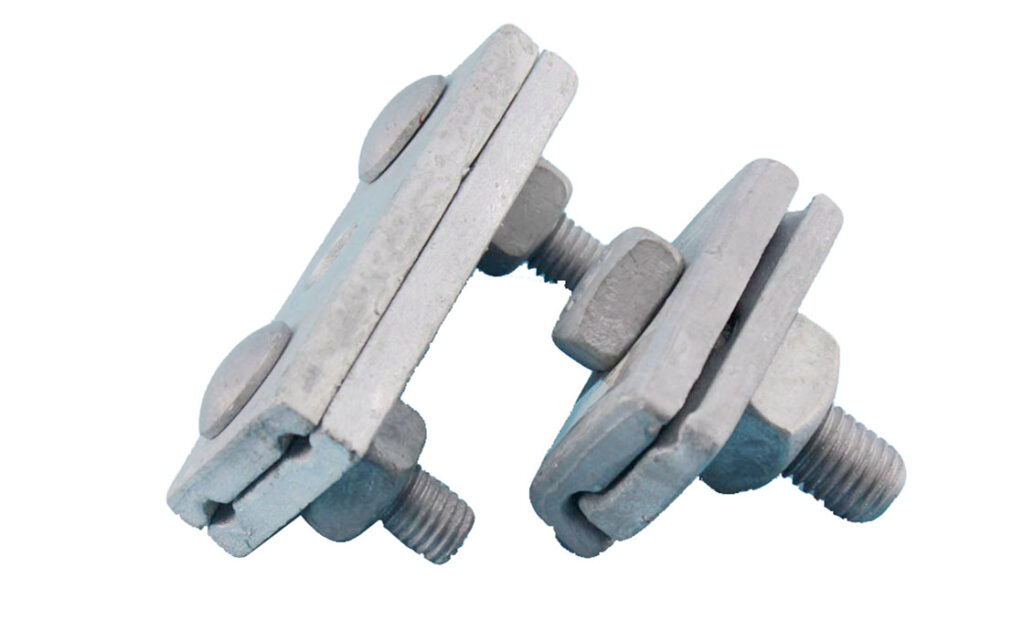
- Mechanical load transfer and structural stabilization – the guy clamps secure guy wires to structural posts and anchors. They tension wires that counteract uplift and lateral forces on PV mounting structures.
- Tension retention and adjustment—guy clamps maintain and regulate tension in guy wires. They offer compensation for thermal expansion, mitigation for creep and relaxation, and field adjustability.
- Anchoring auxiliary infrastructure—guy clamps support secondary systems within solar PV plants. They provide stabilization of perimeter fencing, support for lighting poles, and reinforcement of meteorological masts for solar resource monitoring.
- Electrical bonding and grounding support – the clamps offer metal-to-metal contact between wires and structures to enable current flow in fault conditions. They help connect elevated conductive elements to grounding paths to reduce the risk of equipment damage.
Technological evolution pushing Argentina’s solar PV plants
Argentina’s solar PV sector is advancing through a combination of hardware innovation, digitalization, and system-level integration. The shift is moving toward higher-performance, grid-compliant, and dispatchable solar assets. Key technologies supporting the push include module technology, tracking systems, smart inverters, digitalization analytics, energy storage integration, and structural innovations. Argentina’s solar PV evolution is defined by a transition from capacity expansion to performance optimization. These technologies produce higher energy yields, improved grid compatibility, and greater operational reliability. The next phase will be shaped by storage integration, grid modernization, and hybrid energy systems.