
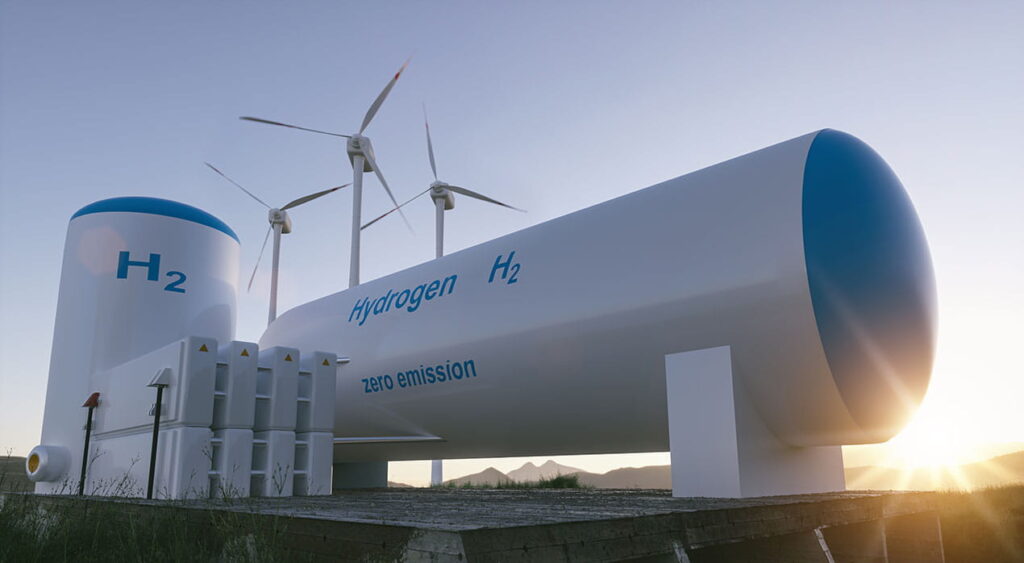
Chile’s energy business, Colbún, has launched operations at a solar-powered green hydrogen facility in the Nehuenco thermoelectric complex. This strategy replaces the usage of fossil-based hydrogen to cool generators. The $1.6 million plant operates independently of the national grid, producing hydrogen for the generators’ cooling systems. The project consists of a 100 kW solar array, battery storage, an electrolyzer, and hydrogen storage tanks. This is part of the modernization efforts to increase efficiency, reduce water consumption, and match operations with Chile’s energy transition. The use of secondary racks in supporting infrastructure guarantees that electrical connections are safe and reliable. Secondary racks provide organized, safe, and reliable pathways for cables powering and controlling hydrogen production.
Secondary racks allow for the physical separation of different cable types. Power cables are from instrumentation and control cables. This prevents a fault in a power cable from damaging control systems and disabling emergency shutdowns. Solar farms are expanding to accommodate more battery units. Additionally, the racks provide a secure and organized route for cables powering fire and gas detection systems. They enables new connections to the existing grid without affecting the plant’s normal functioning. A well-designed rack system allows for clear, accessible, and logical cable routing in green hydrogen production infrastructure.
Because of distributed networks, a solar farm and battery storage systems are not isolated. Secondary racks support cables and prevent them from being spread across the ground. They prevent insulation wear, pinch points, and other damage leading to failures. Racks allow the redundant pathways to be run on separate trays. This is crucial to ensure a single point of failure downs take down systems. They are vital components in Chile’s tough environmental conditions. These include intense UV radiation, extreme temperature changes, and salt corrosion.
Decarbonization of Thermal Assets in Chile
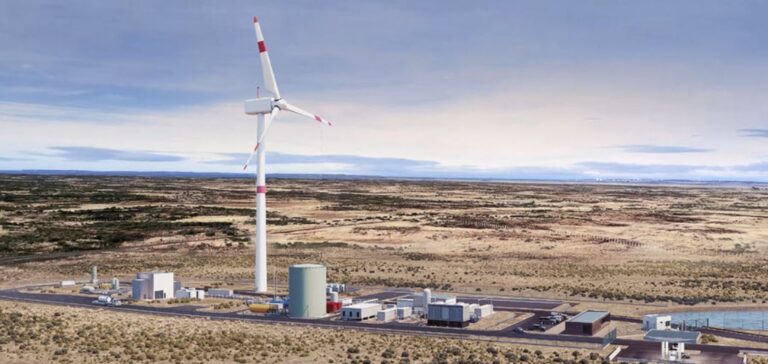
This project’s development marks a significant milestone in Chile’s energy transformation. It’s a small-scale effort that represents a significant shift in mentality. The development reduces doubt, instills trust, and makes it easier for other operators to follow. Chile demonstrates that it is viable to update and clean up fossil plants rather than retiring them. Furthermore, the use of off-grid solar to generate hydrogen demonstrates energy autonomy. It also reduces grid pressure by increasing clean energy generation. Chile intends to export green hydrogen, demonstrating how domestic use may boost credibility overseas, enhance technology learning curves, and create local capabilities before international demand increases. Power line components like secondary racks ease the construction of new infrastructure supporting this move.
Secondary racks for green hydrogen development
The increasing renewable energy growth demands a reliable and safe electrical and mechanical support infrastructure. Secondary racks ensure the reliability, efficiency, and scalability of Chile’s green hydrogen infrastructure. The racks provide mechanical support, electrical organization, and safety assurance for the power distribution networks. Secondary racks serve several purposes in Chile’s green hydrogen development.

- Structural support for electrical systems – secondary racks serve as mounting platforms for a wide range of components. They support power cables, control wiring, junction boxes, and monitoring sensors. they ensure neat, stable, and vibration resistant installations in electrolysis zones.
- Efficient power distribution – the racks organize low- and medium-voltage cable routing from switchboards to electrolyzers, compressors, and cooling units.
- Supporting modular and scalable plant design – secondary racks allow easy expansion of cable and simplify the integration of new electrolyzers, pumps or monitoring systems.
- Enabling efficient maintenance and inspection – secondary racks ensure that electrical and control cables are organized, labled, and accessible. It allows the technicians to identify circuits and connections.
Technological breakthroughs used in green hydrogen development
Colbún’s innovation in Chile represents a shift in how existing electricity infrastructure can evolve. It involves the integration of renewables, storage, electrolyzer technologies, and thermal asset upgrades. Off-grid solar, battery, and electrolyzer systems; integration into a thermal generation asset; scale-lite innovation that leads to future scale-up; localization of technology and strategic value; and decarbonization infrastructure enhancements. These solutions solve water use challenges, lay the framework for export-scale hydrogen production, and provide power flexibility that accommodates renewable intermittency. It also leads to a greater use of power line hardware components like secondary racks to secure the system.