

The electric vehicle market in Argentina is gradually growing with emerging charging infrastructure companies. Domestic automakers and import policy reforms. It also stems from the growth of renewables, lithium reserves, and an emerging electric vehicle market. Electric vehicles have the potential to reshape Argentina’s transportation and energy systems. Transitioning to EVs powered by wind and solar energy could cut emissions and support climate commitments. The widespread adoption would increase electricity demand, which encourages further investments in renewables. This creates a cycle where clean power fuels clean mobility and reduces reliance on fossil fuels. EVs would also enhance energy dominion and stabilize costs. Additionally, Argentina is one of the largest lithium producers, which is a crucial component in developing local EV battery production and positions the country as a player in the global EV supply chain. Secondary racks act as the intermediate-level electrical distribution panels crucial for distributing power to EVs.
High-quality racks ensure efficient, scalable, and cost-effective charging hubs for electric vehicles. A secondary rack takes a single, high-capacity power feed from the transformer and distributes it to charging stations. It also monitors the total available power and the consumption of each connected charger. Secondary racks divide power to ensure the total draw never exceeds the site’s pre-set limit to prevent a breaker trip. It allows the installation of more chargers without needing to pay for an expensive grid connection upgrade. Secondary racks are modular, which allows the easy addition of new chargers. The racks reduce the need for rectifiers and controllers for AC-to-DC conversion. Innovative secondary racks provide a single point of data collection for the entire charging hub, monitoring energy usage and operational status.
Functions of the secondary racks in electric vehicle infrastructure
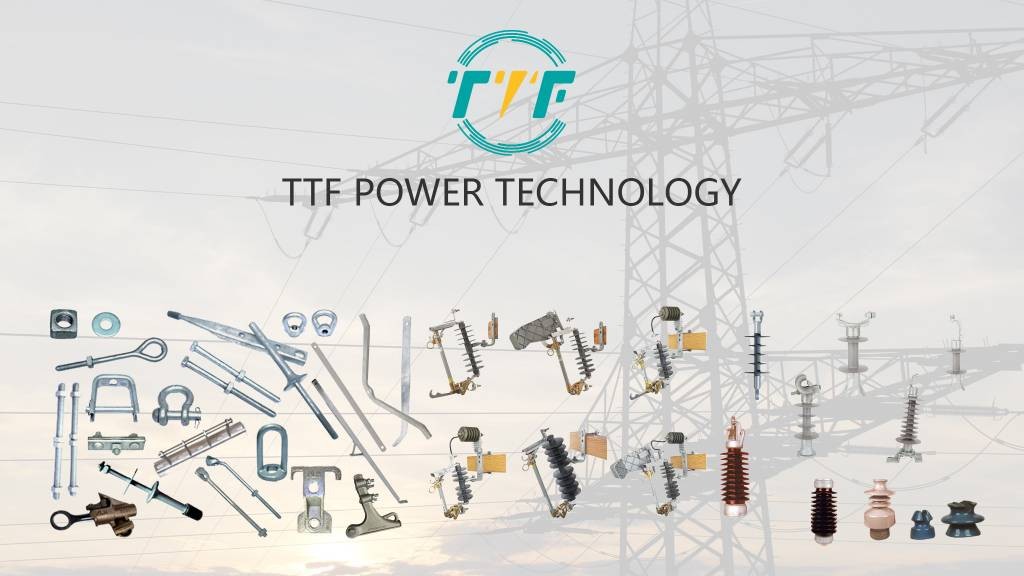
The success of Argentina’s transition to electric mobility depends on charging stations, vehicles, and supporting electrical infrastructure. A secondary rack is a structural element within distribution networks that ensures reliable electricity delivery to charging stations and EV infrastructure. Secondary racks are supporting structures used in substations and distribution systems. They provide mounting and alignment for secondary equipment such as distribution transformers, insulators, and cabling connections. The racks ensure the charging hubs are powered efficiently and safely. They are also crucial in integrating renewable energy into EV charging infrastructure. Here are the functions of the secondary racks in electric vehicle infrastructure.

- Support for electrical equipment—secondary racks house and support equipment like transformers and switchgear that manage electricity flow from the grid to the EV charging stations.
- Efficient power distribution—the racks ease the branching of power lines to many chargers. This enables the stations to serve various vehicles.
- System organization and safety—secondary racks reduce risks of electrical faults, overheating, or accidental contact. They do this by keeping conductors, insulators, and cabling arranged.
- Scalability for future growth—secondary racks provide a modular platform that allows utilities to expand capacity by adding new feeders and protective equipment.
- Integration with smart grid technologies—the racks support sensors, relays, and monitoring equipment. They allow real-time data collection for smart charging management, demand response, and grid stability.
Critical infrastructure supporting the adoption of EVs in Argentina
Supportive government policies, renewable energy resources, and private sector interest provide the potential to expand Argentina’s EV ecosystem. Investments in charging infrastructure, grid modernization, and local production could speed up the adoption. Key infrastructure for electric vehicles is as discussed below.
- EV charging networks—this includes accessible chargers in crucial areas to encourage EV adoption. It also includes high-power DC fast chargers along major transport lines.
- Strengthening the electrical grid—the grid will face higher electricity demand as EV adoption grows. This will demand upgrading substations, transformers, and feeders. Digital tools for load balancing, demand response, and predictive analytics will help integrate EV charging without straining the supply. Additionally, battery storage could pair with charging hubs to ensure stable power availability.
- Renewable energy integration—powering EVs with wind and solar could help reduce carbon emissions, align the transport transition, and lower dependence on fossil fuels and imports.
- Digital infrastructure for EV management—this includes platforms that locate charging stations, show availability, and provide seamless payments. Smart charging software can optimize when and how vehicles are charged to reduce stress on the grid. Integration of EV batteries into the grid could provide backup power and enhance energy resilience.