

Peru’s ministry of energy and mines awarded a temporary concession to an EDF Renewables unit to conduct feasibility studies for the 99.2 MW Mendoza wind farm project located in the southern region of Arequipa. This initiative highlights the company’s dedication to growing its renewable energy presence and aiding Peru’s shift to more sustainable energy options. The suggested wind farm will have a capacity of 99.2 MW, enhancing Peru’s renewable energy framework. The firm will perform evaluations such as resource evaluations, environmental effect analyses, and grid connection examinations. If it succeeds, EDF Renewables could create, build, and manage the project to use its skills in extensive wind energy. Peru intends to produce 60% of its energy through renewable sources by 2030. The nation possesses an appealing regulatory environment that promotes private investment. A dead-end service grip is an essential element utilized in the building of overhead transmission and distribution lines.
The dead end provides mechanical and structural stability to ensure the safety, reliability, and longevity of the electrical lines connecting wind farms to the grid. The dead-end grip is able to end a conductor and anchor it to a support structure. It also transfers the mechanical load from the conductor to the structure. Its key functions include termination, anchoring, and load bearing. Service grip dead ends are mounted on poles and structures throughout the wind farm to anchor the medium-voltage distribution lines. The grips serve on every transmission tower that is an angle tower or terminal tower. They prevent the lines from pulling away from the towers due to the directional pull of the conductor. The design of the dead end is excellent for vibration dampening and is very reliable. This makes it a crucial component for wind farm infrastructure.
Function of the service grip dead end in wind power system development in Peru
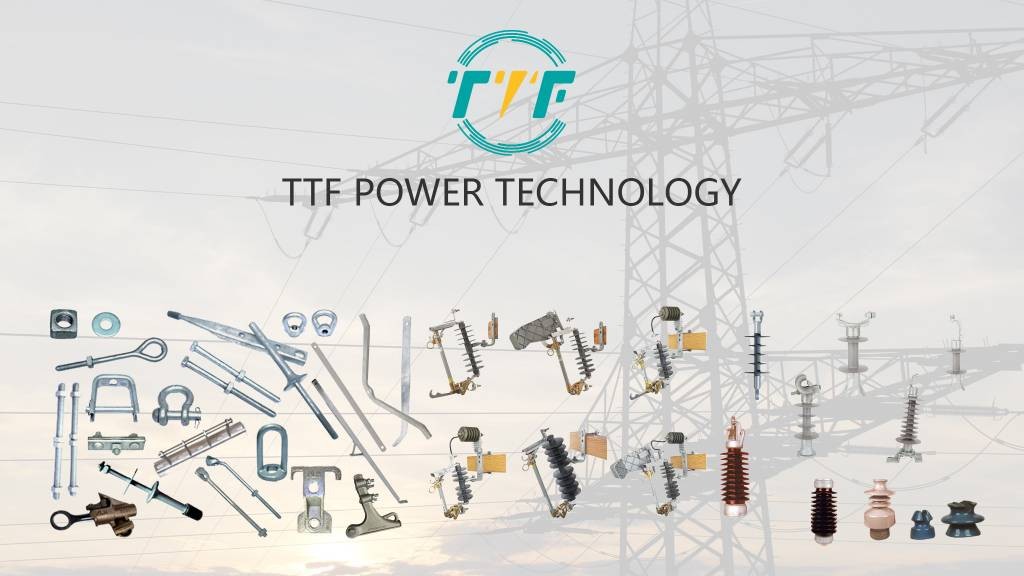
A service grip dead end is a small piece of hardware that anchors and protects conductors where wind farms meet the grid. It turns the dynamic mechanical loads into reliable structural support, so turbines can feed power steadily. It is a mechanical connector used to end and anchor overhead conductors to poles and structures. The dead-end grip is able to grip the conductor without damaging it and to carry the tensile loads at line ends or transitions. Here are the roles of service grip dead ends in wind power project development in Peru.

- Anchor tensile loads—the dead end transfers the pulling force of the conductor to the tower or structure. This ensures the conductor stays taut under wind, ice, or thermal expansion.
- Preventing conductor slip and movement—the service grip dead end keeps the connection secure during high wind events.
- Protecting conductor integrity—these components grip without crushing or nicking the conductor.
- Providing electrical continuity—the dead end ensures a reliable electrical path with an insulated conductor to preserve insulation integrity while anchoring.
- Facilitating transition and joints—the grip is useful where overhead lines transition to underground cables, switchyards, or wind-park collector systems.
Importance of advancing wind energy in Peru
The development of wind farms contributes to increasing renewable capacity, bolstering energy security, meeting climate goals, and fostering regional development. Wind power is essential in Peru as it diversifies energy sources, accelerates climate objectives, sustainably energizes industries, and promotes economic development. Here is the importance of wind energy advancement in Peru.
- Diversifying the energy portfolio—wind turbines lessen reliance on hydrology-dependent dams and fossil fuels. This enhances the grid’s resilience to droughts and variations in fuel prices.
- Achieving climate and renewable objectives—wind projects contribute to reducing greenhouse gas emissions and position Peru as a key participant in South America’s clean energy shift.
- Utilizing unexploited wind resources—wind energy facilities can deliver consistent production at competitive prices to capitalize on a natural benefit for the nation.
- Enhancing grid development and dependability—extensive wind initiatives need new 220 kV and 500 kV transmission systems. This generates extra advantages for rural electrification and local industries.
- Economic and social advantages—the establishment of wind farms generates employment in construction and operation within Peru. Wind energy will contribute to reducing electricity costs gradually, enhancing industrial competitiveness.
- Regional decarbonization pioneer—expanding wind in conjunction with solar facilitates sharing insights with other Andean countries. It can potentially establish green hydrogen initiatives in the long run by utilizing plentiful wind energy for electrolysis.