
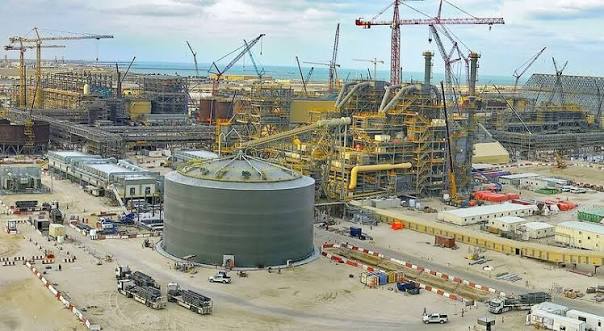
Alumina is a substance utilized in electrical transmission and distribution, renewable energy devices, construction, and industrial machinery. The aluminum production, energy infrastructure, and low-carbon industrial development are interconnected in Brazil’s refining industry. The country’s renewable energy sources offer a chance to lower the carbon intensity of alumina manufacturing. Nonetheless, alumina output in the nation was lately cut to 50% because of interruptions in natural gas supply. The Alunorte refinery has put contingency plans in place to reduce operational effects. This involves acquiring spot gas quantities and seeking direct access to the Barcarena LNG receiving and regasification facility. Alumina refineries generate a need for dependable electrical infrastructure such as high-voltage transmission systems, substations, switchgear, cable networks, insulators, and connections for renewable energy. Employing porcelain spool insulators in the refineries guarantees safety and dependability.
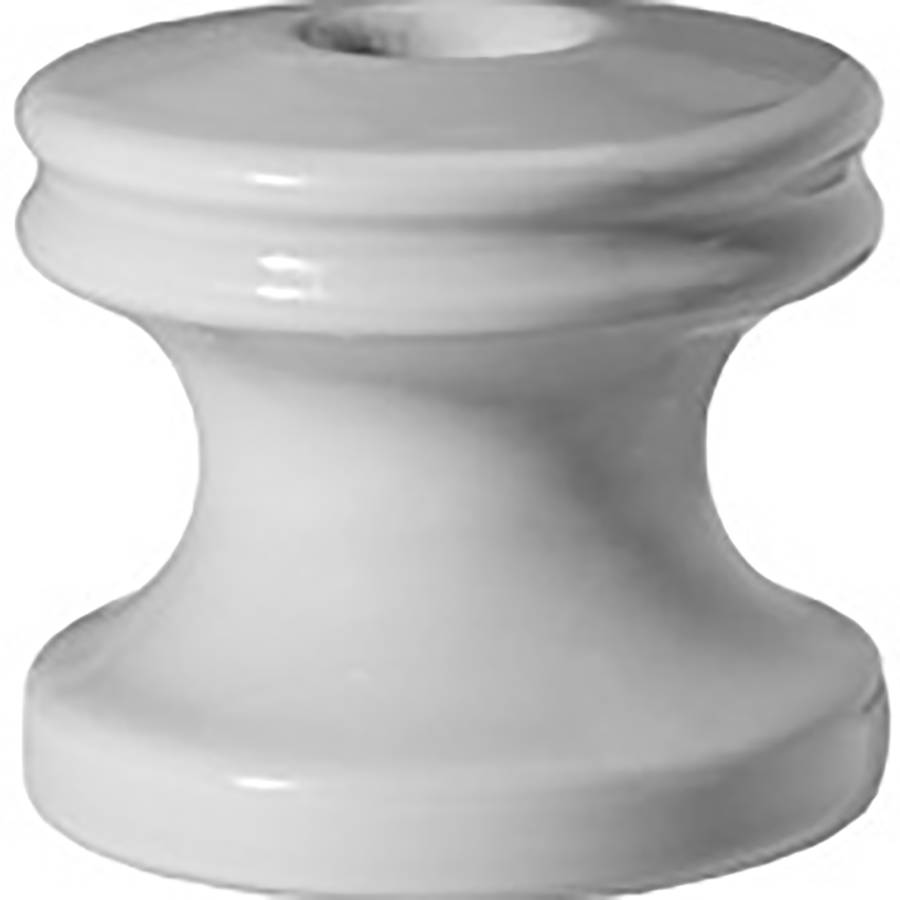
Spool insulators provide mechanical support for electrical conductors while maintaining electrical isolation. The insulators support and isolate power conductors from the refinery’s metal structures. This is crucial in areas with high levels of pollution and corrosive agents. Their robust ceramic body prevents electrical faults and flashovers that could cause power interruptions. The insulators endure the mechanical weight of cables and the thermal stress from temperature processes. The alumina-enhanced porcelain in the insulators provides high mechanical and dielectric strength. Spool insulators support conductors and provide robust mechanical strength. They also ensure electrical isolation under challenging operational and environmental conditions. Spool insulators maintain the reliability and safety of the specialized industrial power systems in alumina refineries and the power grid.
Quality assurance for spool insulators used in alumina refineries in Brazil
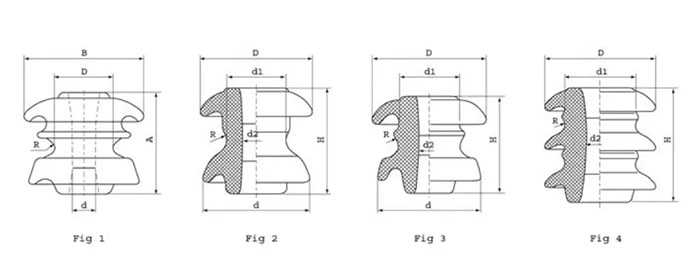
Spool insulators in alumina refineries must maintain electrical insulation and mechanical support under demanding industrial conditions. QA should consider the refinery’s voltage level, equipment design, contamination environment, and applicable Brazilian requirements. QA prevents insulator failures that contribute to electrical faults, equipment damage, or production interruptions. The process covers raw material verification, dimensional inspection, visual and surface inspection, electrical testing, mechanical-strength testing, and environmental resistance. QA also verifies protective packaging, correct identification, moisture protection, secure positioning, and protection of threads and fittings. After installation, QA checks confirm correct orientation, correct mounting hardware, proper torque, required electrical clearances, and required creepage distance. This helps prevent electrical flashover or mechanical breakdown that can damage conductors and switchgear.
Functions of the porcelain spool insulators in alumina refineries
Porcelain spool insulators provide electrical insulation and mechanical support in power-distribution and electrical systems. This is crucial for refineries that depend on extensive electrical infrastructure, including substations, transmission connections, and high-power electric boilers. Here are their key functions in alumina refineries in Brazil.
- Establish electrical connections without stripping insulation—the IPC penetrates the insulation of a suitable insulated cable and establishes electrical contact with the conductor.
- Mechanical support for conductors—spool insulators provide a mounting point for conductors and electrical hardware. They help maintain conductor position while resisting mechanical loads from conductor tension and equipment vibration.
- Electrical isolation—the spool insulator isolated energized conductors from grounded structures and other components. This prevents unwanted current paths and reduces the risk of short circuits, flashovers, and electrical equipment damage.
- Maintaining electrical clearances—the insulator keeps energized components separated from supporting structures. They maintain creepage distance in refinery environments where moisture and industrial contamination can increase the possibility of surface leakage.
- Supporting electrical distribution equipment—spool insulators serve in switchgear, transformers, disconnecting equipment, bus-support arrangements, and other electrical installations.
Function of alumina in the value chain of Brazil’s energy sector
Alumina is obtained by processing bauxite via the Bayer method and subsequently acts as the raw material for primary aluminum manufacturing. Brazil possesses abundant bauxite resources, which render the alumina sector significant in the area. Here are its functions in the energy sector.
- Linking bauxite to aluminum manufacturing—alumina serves as the intermediate phase between bauxite extraction and aluminum production. This integration enables energy, raw materials, transportation, and industrial infrastructure to enhance the value chain.
- Generating energy demand—the refining procedure requires energy for digestion, evaporation, and calcination. The refining process relies on dependable and cost-effective energy sources.
- Enhancing renewable energy incorporation—renewable energy contributes to lowering the carbon intensity in the production of energy-intensive alumina and aluminum.
- Supporting electricity transmission and distribution—aluminum is utilized in electrical conductors due to its conductivity and lightweight properties. Consequently, alumina facilitates the provision of materials required for transmission lines and distribution networks.