

Increased storms and floods in Venezuela impact the power transmission and distribution infrastructure. The country is heavily dependent on hydropower and oil production to meet the energy demands. Hydroelectric power production is vulnerable to extreme weather events like floods and tropical storms. These disasters disrupt electricity generation, damage infrastructure, and worsen the country’s ongoing energy crisis. Overflowing reservoirs may force emergency discharges, risking downstream damage without increasing power output. Strong winds and lightning knock down power lines and transmission towers that cause widespread blackouts. Lightning strikes damage substations and transformers, which are hard to replace due to the economic crisis in the country. Additionally, floods submerge electrical substations and erode soil around transmission tower foundations. The use of stay rods stabilizes power transmission towers, utility poles, and substation structures in Venezuela.
During extreme weather events like floods and tropical storms, power transmission infrastructure needs stability. Using stay rods helps prevent collapse, reduce sway, and maintain structural integrity under high wind and water pressure. Stay rods anchor diagonally from the structure to the ground to counteract lateral wind forces that could knock over transmission poles. Strong winds cause vibrations in power lines, leading to metal fatigue and eventual failure. Floodwaters also erode soil around tower foundations, which destabilizes them. Stay rods distribute forces to deeper and more stable ground. They help keep structures upright even when soil liquefies. It is crucial to upgrade to helical anchors, use galvanized stay rods, reinforce critical transmission corridors, and combine with flood barriers to enhance stability and durability.
Importance of stay rods in stabilizing power infrastructure
Stay rods are crucial components in the structural support systems of power transmission and distribution lines. The steel rods work with guy wires to anchor and stabilize poles and towers. They ensure the electrical grid remains intact during extreme weather events. Stay rods, secure guy wires, and anchor poles preserve grid stability and prevent failures. Investing in robust stay rod installations can improve resilience and lower cost and effort. Here are the functions of the stay rod in power transmission infrastructure.

- Anchoring guy wires for stability—stay rods anchor guy wires that support power poles and towers. Stay rods are buried deep into the ground and connect to guy wires at an angle. They create tensile support that counters lateral forces. This helps prevent bending, leaning, or collapsing of poles during high winds.
- Resisting uplift and wind pressure—stay rods help resist wind uplift on poles carrying many conductors with transformers. They spread the mechanical load into the earth through the guy wire system.
- Stabilizing poles in eroded soils—floods soften and erode the ground, making it difficult for poles to keep their vertical alignment. Stay rods enhance ground anchors by providing a deeper and more secure point of resistance in the soil. They help distribute mechanical loads when the ground around the pole loses firmness.
- Preventing failures in distribution lines—stay rods anchor critical poles at corners or tension points to isolate the effects of a failure. The rods maintain grid integrity by localizing damage and preventing widespread outages.
Measures and strategies to restore power infrastructure in Venezuela
Restoring power line infrastructure after floods and storms in Venezuela needs a multi-layered strategy that addresses emergency response and long-term resilience. Venezuela has a fragile power grid, aging infrastructure, and limited resources. Adopting a successful restoration plan balances rapid recovery with sustainable upgrades. These measures include:
- Rapid damage assessment—immediate actions to identify and focus on critical repairs. This includes deploying mobile inspection units to assess line, pole, and substation damage.
- Emergency repairs using modular equipment—restoration depends on having portable solutions on hand. These include using prefabricated poles, temporary transmission structures, modular components, and implementing temporary bypass lines to reroute power.
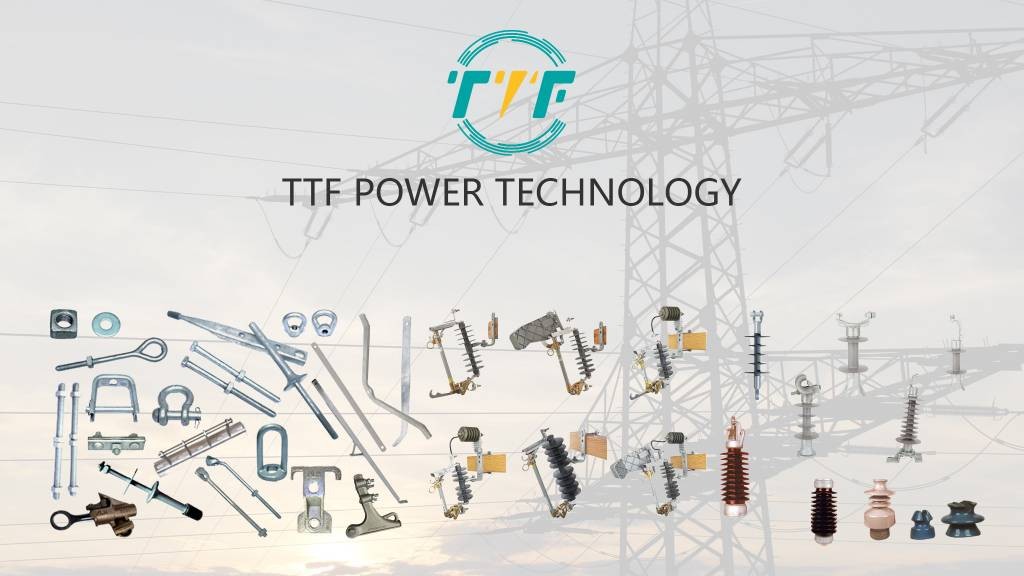
- Reinforcement of grounding and anchoring systems—this includes replacing stay rods, guy wires, and plate anchors in eroded areas. Using corrosion-resistant materials enhances durability in humid environments.
- Flood-resilient substation design and elevation—upgrading substations and equipment is key in installing waterproof enclosures, barriers, and drainage systems. Flood-proofing substations prevents outages during storms and floods.