
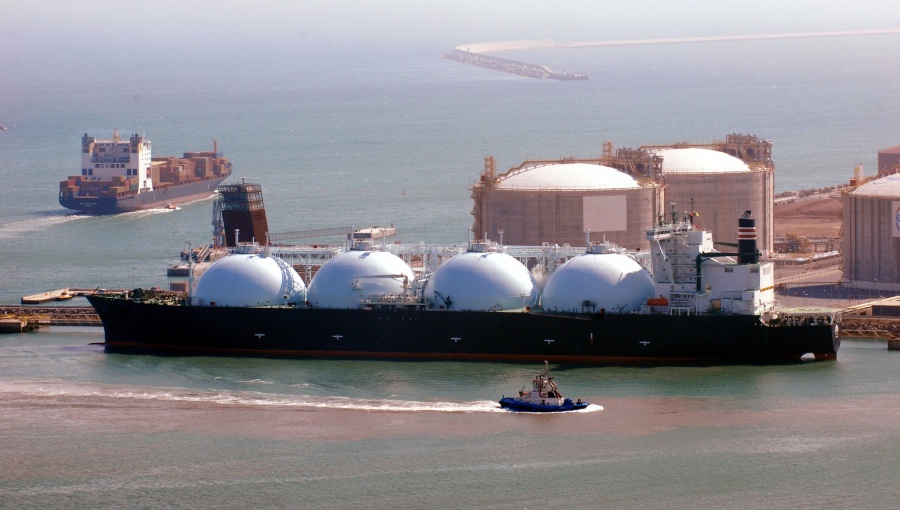
Argentina entered into the global LNG market, which represents a shift in South American energy export strategy. The agreement between Argentina GNL and Switzerland’s SEFE shows more than a commercial deal. It represents the launch of Argentina as an LNG-exporting nation. Argentina has vast resources from the Vaca Muerta shale formation. Securing the export agreement positions the country to show its ability to produce, transport, and commercialize gas at international standards. The formation offers reliable gas supply and competitive production costs. Through investment, regulatory clarity, and infrastructure optimization, the country has the potential to become an influential LNG supplier in the Southern region. The agreement will lead to increased development of infrastructure such as floating liquefaction vessels, pipeline, and storage infrastructure. Using surge arresters is crucial to protect equipment from transient overvoltage.
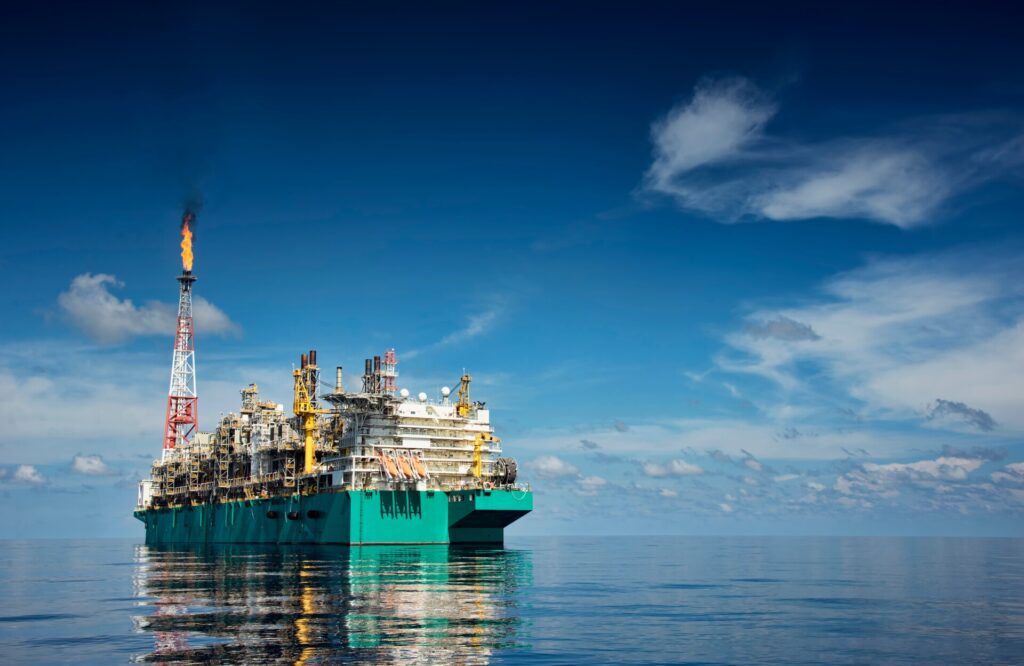
The development of floating LNG technology allows the country to serve new market opportunities. The project also speeds up project timelines and reduces capital expenditure. Such developments lead to the adoption of robust power line hardware components to secure and protect the connections. Distribution arresters in this case protect the capital-intensive and safety-sensitive infrastructure of the floating vessels. And onshore LNG plants. They protect the infrastructure from lightning strikes, fault conditions, and switching surges generated by the operation of circuit breakers within the vessel.
Using the arresters protects the continuous availability and personnel safety of those working in Argentina’s LNG sector. Surge arresters protect the generators and switchboards to reduce downtime and restart. The arresters provide coordinated insulation protection by maintaining protective levels. These components make it easier to produce and supply LNG from the Argentine formations. This encourages the investment in pipelines, processing, and liquefaction facilities.
Economic impact and revenue generation for Argentina
Argentina getting into the global LNG market carries economic implications. It has the potential to reshape national revenue streams, strengthen the macroeconomic look, and catalyze long-term investment. LNG provides Argentina with a new source of currency during tough economic times. Its growth raises fiscal inflows through hydrocarbon royalties, export taxes, corporate taxes, and employment-related tax contributions. This increased demand will lead to expansion of LNG infrastructure. This in turn stimulates job creation in drilling, pipeline construction, coastal liquefaction plants, FLNG vessels, and port upgrades. LNG expansion supports manufacturing, metalworks, engineering firms, and transport companies.
Functions of surge arresters in floating LNG vessels in Argentina
Surge arresters ensure electrical reliability in areas with high-power equipment and harsh operating conditions. They support production continuity and international commitments by offering reliability. Surge arresters ensure lightning and surge protection, transformer and switchgear stability, and reliable power integration between offshore and onshore systems. Here are the functions of the surge arresters in LNG infrastructure in Argentina.
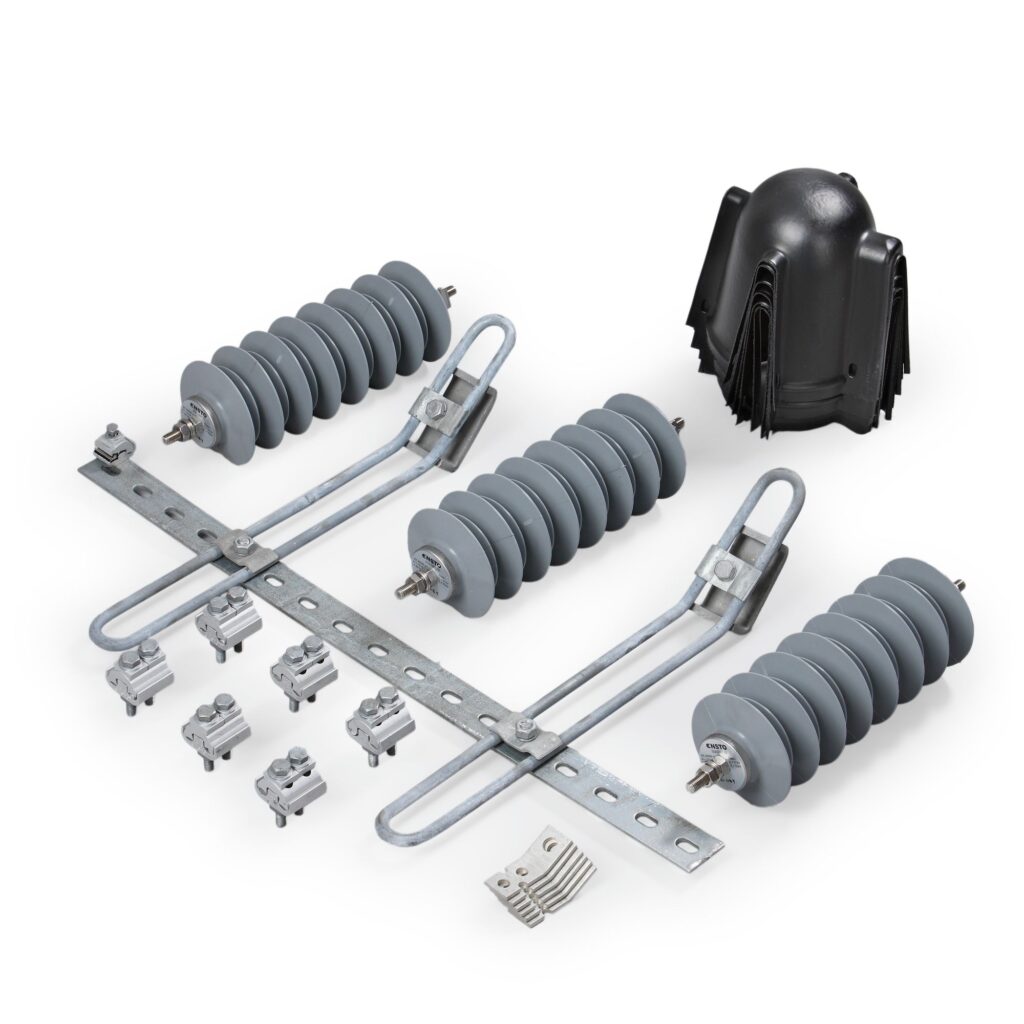
- Protection against lightning strikes and switching surges—the arresters divert lightning-induced overvoltages to the ground. They prevent insulation breakdown in transformers, switchgear, compressors, and control systems.
- Protecting high-voltage and medium-voltage equipment—LNG value chains depend on high-power electrical systems. These include gas turbines, cryogenic pumps, and regasification units. These systems need surge arresters to stabilize voltage levels, protect transformers, and support electrified systems in floating LNG units.
- Enhancing system durability – surge protection reduces equipment failures and costly shutdowns. They ensure efficiency that supports Argentina’s goal of stable LNG export performance to meet the SEFE agreement.
- Supporting offshore-onshore electrical integration—FLNG units integrate with onshore substations, pipelines, metering stations, and port power systems. The arresters maintain stable power transfer between ship and shore.
Technological innovations supporting Argentina’s LNG sector
Argentina is adopting technological innovations to improve efficiency, lower costs, and enhance reliability. Such technologies transform Argentina into an emerging global LNG supplier. These technologies include:
- Advanced shale extraction technologies—the adoption of drilling techniques—unlock sustained output. These include long-reach horizontal wells, multi-stage hydraulic fracturing, and automated drilling rigs.
- Modern gas gathering and compression technologies—new midstream systems improve flow reliability. They include high-efficiency compressors, smart pipeline monitoring, and predictive maintenance sensors.
- Next-generation liquefaction technologies—these include modular liquefaction trains, optimized mixed-refrigerant cycles, and electric-drive compressors. They make export projects technically and financially viable.
- Floating LNG—floating storage units provide buffer capacity and flexible scheduling. It also includes high-integrity LNG transfer systems that support safe ship-to-ship loading.
- Advanced power and safety technologies—the LNG chain needs electrical and safety systems. This is including surge arresters and power distribution hardware. These systems support safe, uninterrupted operations for export commitments.