
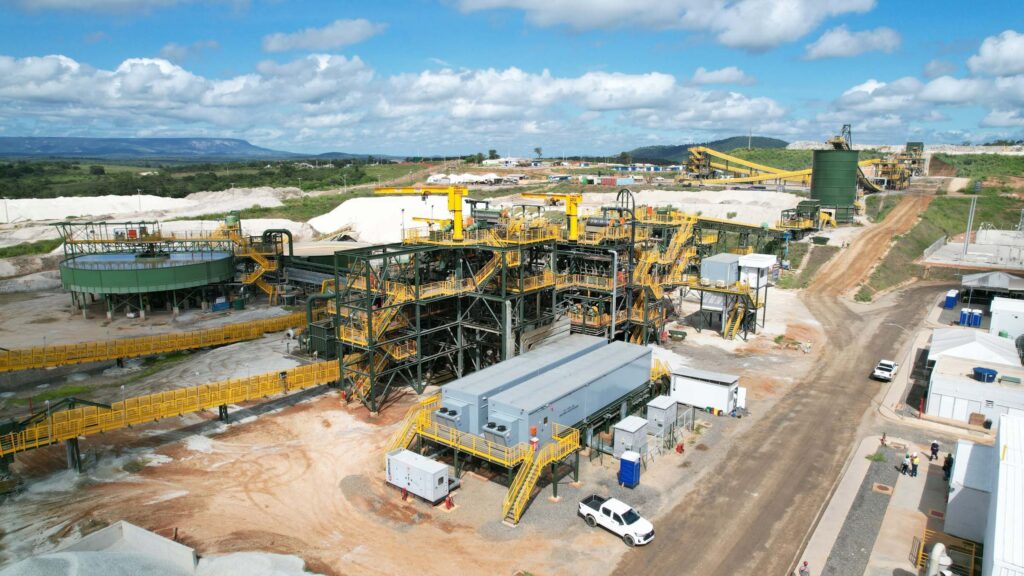
The Chilean Nuclear Energy Commission (CChEN) authorized a joint venture between state-owned miner Enami and Rio Tinto to extract 1.2 million metric tons of lithium metal from its project by 2060. This represents the largest lithium mining extraction permit ever granted outside of the Atacama region, according to Enami. The project is estimated at $3.2 million capex with a target production of 75,000 t LME per annum. Chile’s approval of Solares Altoandinos shows a shift towards greater domestic control, diversification of salt-flat sites, and expansion of capacity. Increased lithium production is crucial for electric vehicles, batteries, and renewable growth in the country. The production infrastructure depends on robust infrastructure such as station post insulators. The insulators support high-voltage electrical conductors.
Electrical insulators are functional in the electrical substation that powers the entire lithium operation. The high-voltage electricity from the Chilean grid or power lines is managed within the plant’s substation. The station post insulator provides a high-resistance path to prevent current from flowing to the grounded support structures. The insulators are also engineered to withstand constant compressive, tensile, and cantilever loads. This ensures the electrical infrastructure remains rigid and properly aligned. Its height and design ensure the air gap between the conductor and the grounded structure. This is crucial to prevent an electrical arc-over.
The Atacama Desert has extreme conditions, which impact the performance and design requirements of station post insulators. When the conductive contamination settles on an insulator, it creates a path for current to leak over the surface, leading to tracking erosion. Station post insulators have longer creepage distances and special shed profiles to maximize the surface path and allow for periodic washing by rain or cleaning. Insulators with silicone rubber housings offer hydrophobic properties that cause water to bead up and roll off.
What this joint venture means for Chile’s energy sector
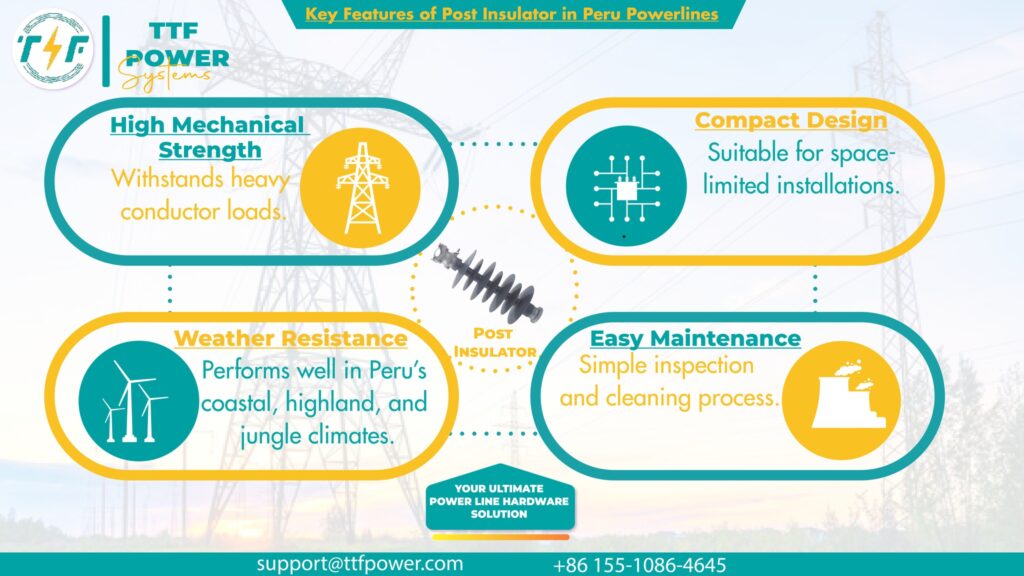
Lithium production is crucial for EVs and grid storage batteries. Its expansion will position Chile as a raw material supplier. The partnership provides access to advanced technology, including direct lithium extraction and capital. This may enable Chile to move from mining raw materials to being part of the battery ecosystem. The joint venture also aligns with Chile’s effort to keep more value scientifically and economically within the country. Chile’s ability to deploy battery-based storage improves as lithium becomes available domestically. It can also reduce import dependence for battery manufacturing and enhance local energy-industry resilience. This makes it a crucial component as Chile increases its renewable energy capacity. The joint venture also supports more responsible mining practices. This will help align resource extraction with the sustainability goals of renewable sectors.
Station post insulators in Chile’s lithium extraction infrastructure
Electrical insulators are small but critical hardware components in the heavy lifting infrastructure for lithium projects. They keep high-voltage equipment mechanically supported and electrically isolated. Station post insulators are crucial components in the high-altitude and salty seismic terrains in Chile. Here are the functions of the insulators in the infrastructure used.
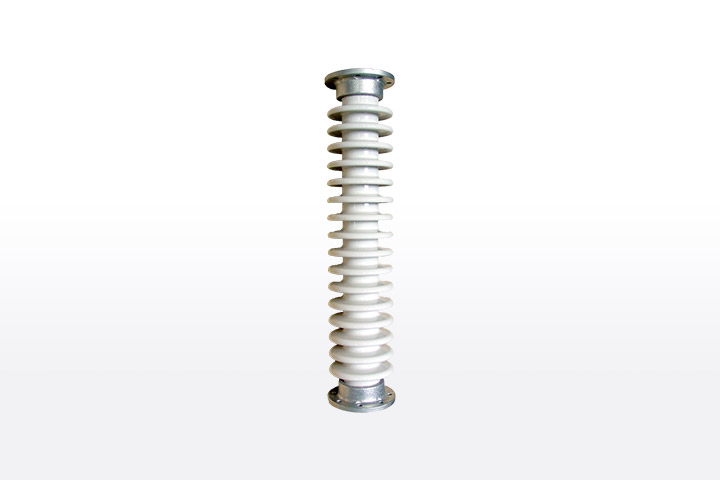
- Mechanical support for live equipment—the insulators hold conductors, busbars, circuit breakers, and switchgear inside substations and plant yards.
- Electrical isolation—the insulators prevent current from leaking to ground or to adjacent structures. This keeps the high-voltage systems restrained to conductors and prevents short circuits.
- Maintain enough creepage and clearance distances—the shape and material of the insulator control surface leakage paths. This prevents pollution from salt spray or condensation from producing flashovers.
- Withstand electrical transients and lightning—post insulators withstand switching surges, lightning impulses, and temporary overvoltage without breakdown.
Importance of insulation in lithium extraction infrastructure
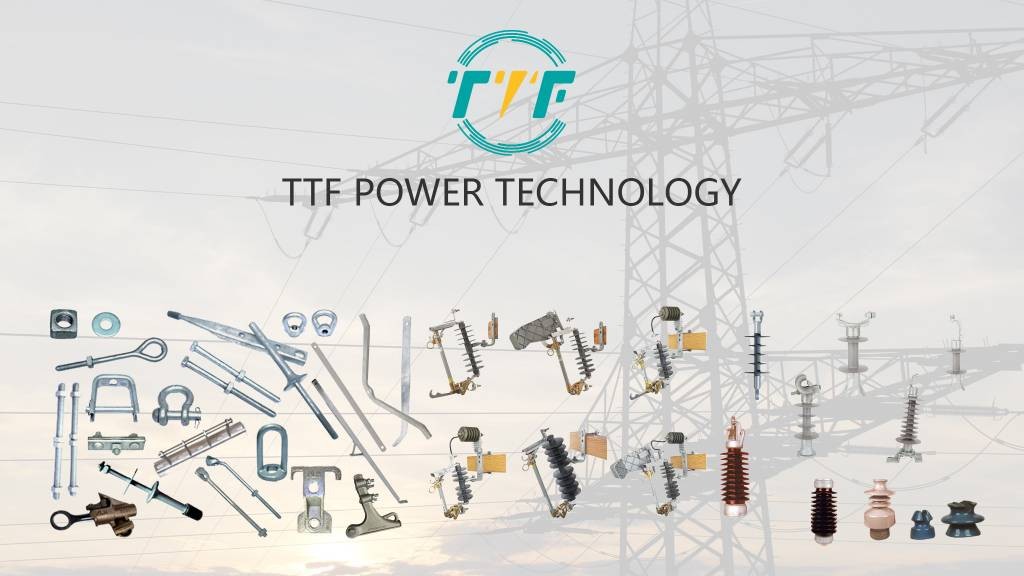
Insulation is a pillar of Chile’s competitiveness in lithium markets and its ability to support EV and battery supply-chain expansion. High-voltage systems powering pumps, direct lithium extraction units, evaporation ponds, and processing plants need insulation to prevent outages. Reliable insulation keeps electricity confined to conductors, protects personnel and equipment, and ensures the plant operates safely and consistently. Insulation prevents flashovers and leakage on high-voltage lines, switchgear, and transformers. It also protects maintenance crews and operators from accidental contact with conductive surfaces that could carry dangerous voltage during normal operation. Additionally, most lithium projects are increasingly integrating solar power and hybrid energy systems into their operations. Using reliable insulation from components such as station post insulators maintains power stability across fluctuating loads. This allows solar and storage to operate without interruptions.