
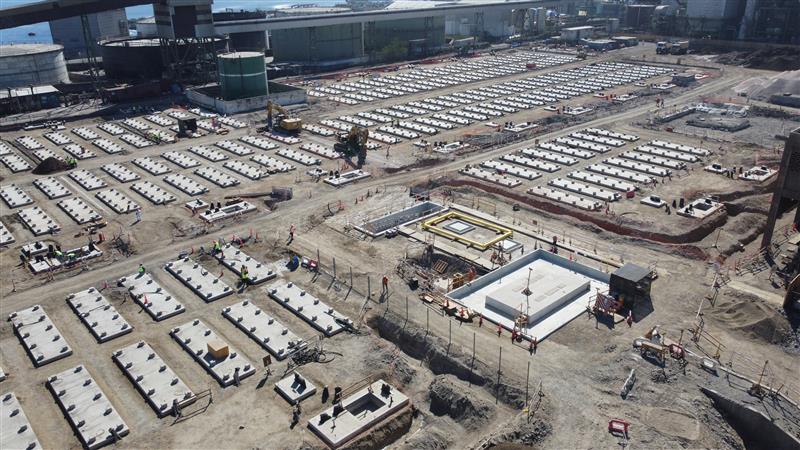
With the continuous move towards decarbonization and energy sustainability, Engie Chile has energized the 116 MW Tocopilla battery energy storage systems. This system is set at its former coal-fired unit in northern Chile as part of a project to convert old fossil-fuel generators to sustainable energy. The project represents a clear example of repurposing decommissioned coal assets into renewable infrastructure. The new storage facility uses 240 lithium-ion battery units and 30 power conversion systems. By connecting to Chile’s national grid, it allows the country to store electricity during low-demand periods and supply it at peak times. This enhances grid flexibility and stability. This project showcases a sustainable pathway for decarbonizing existing infrastructure while reducing stranded assets. Using the cutout fuse in the BESS reduces faults that damage the cable in the power conversion system and transformers.
The fuse cutout serves as a fuse-disconnector for protection and safety of the storage systems. It functions in the medium-voltage circuit between the power conversion system of the BESS and the project’s main power transformer. Due to the high fault current delivered by the BESS, the cutout fuse interrupts the current in the event of a severe short circuit within the power conversion system. The fuse acts as the first line of defense to protect the transformer and isolate the fault before it can destabilize the local distribution network.
The cutout fuse can be manually opened to provide a visible air gap in the circuit. It ensures the BESS side is physically and electrically isolated from the medium-voltage grid. Being an electromechanical device, the fuse cutout provides a failsafe, redundant protection mechanism that does not depend on batteries, software, or communication. This protection ensures the plant meets its objectives to disconnect safely during faults.
BESS projects decarbonizing Chile’s energy sector
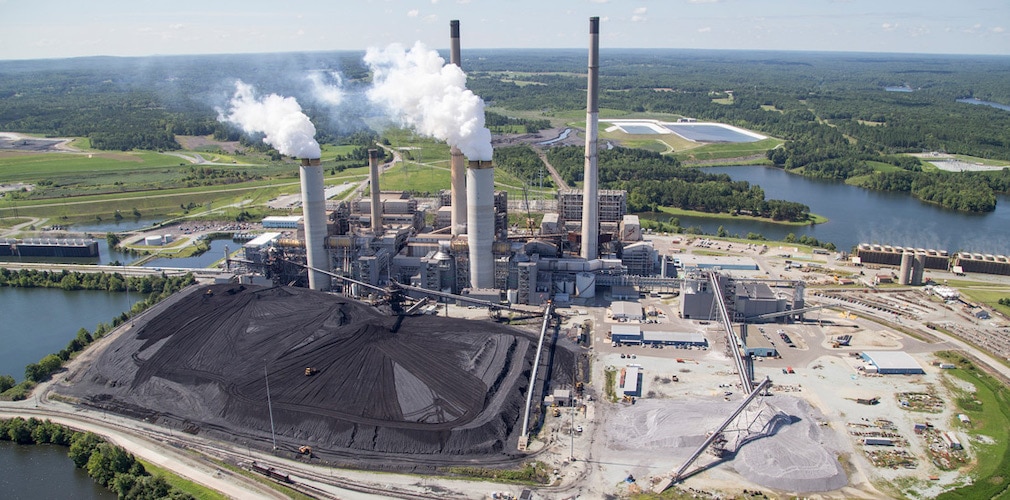
The Tocopilla battery energy storage system acts as the bridge between the fossil fuel plants and its renewable-powered future. It transforms a decommissioned coal plant into a large-scale energy storage facility. The project supports Chile’s clean energy ambitions and shows how technological innovation can speed up the global transition toward net-zero emissions. The project enables greater renewable energy integration with sources like solar and wind in the region. Engie Chile avoided new construction emissions by repurposing the existing Tocopilla infrastructure. The 116 MW BESS provides ancillary grid services such as frequency regulation, voltage control, and reserve capacity. By storing clean energy and offsetting fossil generation, the BESS contributes to emission reductions. Cutout fuses in this context protect and secure these connections for safe power delivery.
Cutout fuse safeguarding equipment and maintaining the Tocopilla BESS project
The cutout fuse plays a crucial role in the BESS developed by Engie Chile at the Tocopilla coal plant. The fuse ensures the safety, reliability, and efficiency within the electrical distribution network. Here are the functions of the cutout fuse in the BESS infrastructure.
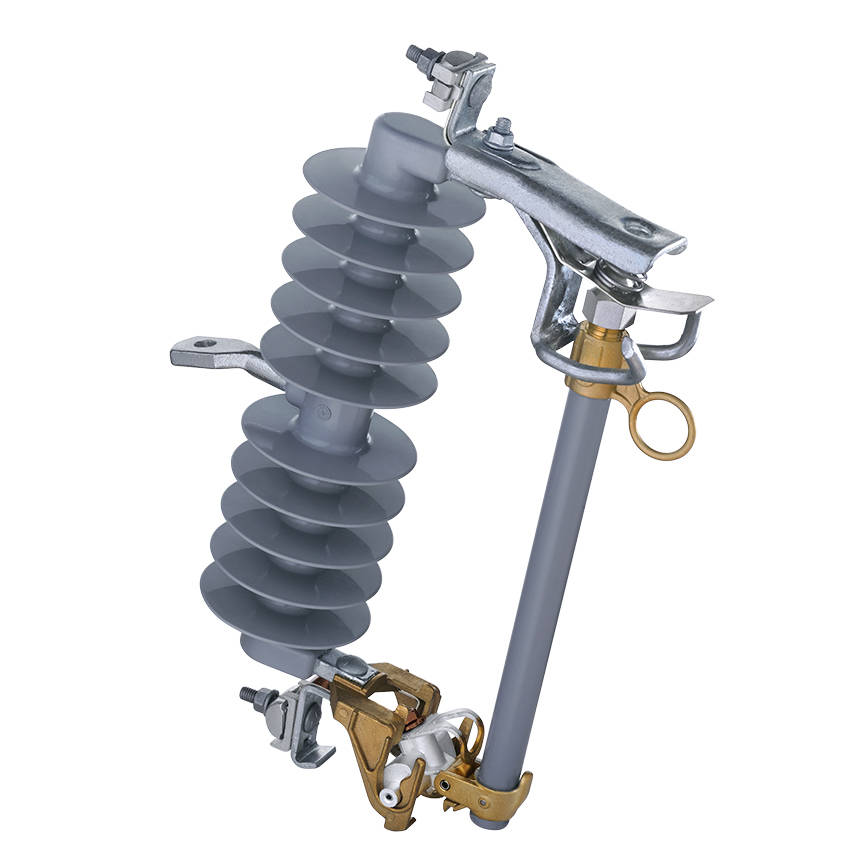
- Primary overcurrent protection—the cutout fuse provides overcurrent and short-circuit protection. It prevents damage to components such as battery modules, power conversion systems, and step-up transformers.
- Isolation of faulted sections—once a fault occurs and the fuse operates, the affected section is disconnected from the rest of the system. It allows maintenance crews to identify, isolate, and repair damaged circuits without shutting down the entire battery system.
- Coordination with other protection devices—the BESS integrates protective layers for protection and safety. These include relays, circuit breakers, surge arresters, and monitoring systems. The fuse cutout works with these components to prevent tripping of upstream breakers.
- Supporting grid reliability—the cutout fuse contributes to longer equipment lifespans of batteries, converters, and transformers. It also contributes to higher system availability for grid services.
Benefits of phasing out coal-fired plants in Chile’s energy sector
Phasing out coal-fired plants in Chile represents the most significant steps in reshaping the nation’s energy landscape. It is a crucial step as Chile transitions toward carbon neutrality and a coal-free grid by 2040. Repurposing the coal-fired plants with cleaner sources reduces carbon emissions, improves air quality, and supports renewable energy expansion and grid flexibility. Retiring aging coal plants increases investment opportunities in modern energy infrastructure. This include smart grids, energy storage systems, and digitalized energy management platforms. These developments demand the use of power line hardware components such as cutout fuses to secure the connections. Decarbonizing the fossil fuel sector transforms the grid into a dynamic and intelligent clean energy network.