
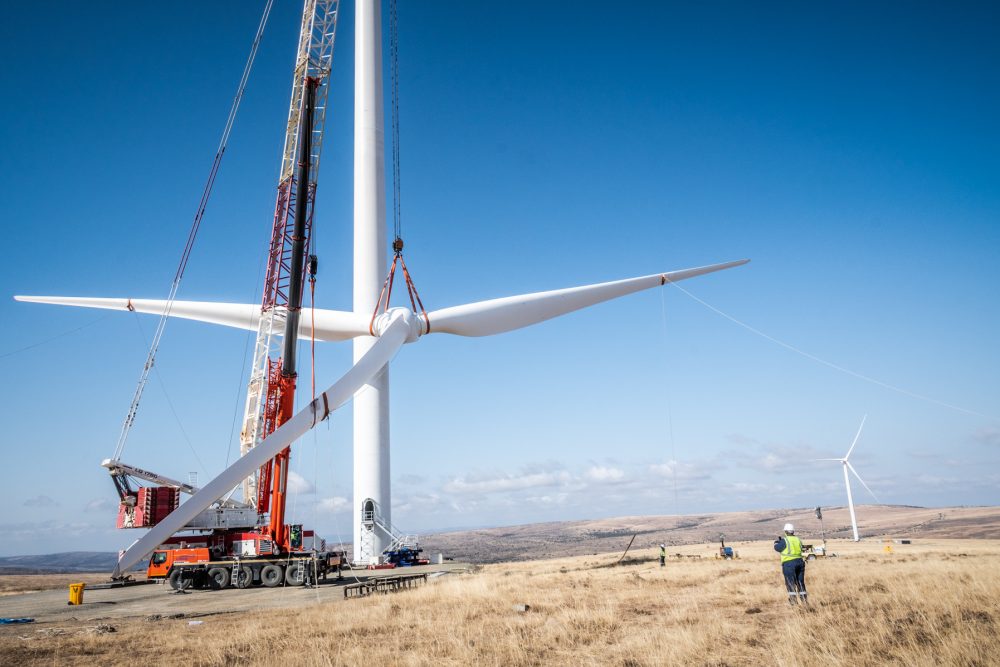
Recently, Engie Chile erected the first turbines for two major wind projects as it works to install 471 MW of new capacity in the country. Engie Chile is building the Pampa Fidelia wind farm in Taltal, Antofagasta region. The Pampa Fidelia project will use 51 wind turbines with a total capacity of 306 MW. The Chequenes wind farm will have a total capacity of 165 MW across 22 wind turbines. It includes the installation of Goldwind’s 7.5 MW GW182 model turbines. The project marks a strong step forward in the country’s clean energy expansion. This will demand the development of new transmission and storage expansion. This includes grid upgrades, transmission reinforcements, and energy storage systems. Using the secondary racks serves in the electrical cabinets and distribution panels housed within the wind turbine’s nacelle.
High-quality racks distribute and control power and signals after the main generator has produced the electricity. The secondary racks help test the subsystem by pitching the blades, testing the yaw mechanism, and verifying communication lines. This is crucial to ensure the turbine is ready for operation. The rack monitors the health of the turbine to predict and prevent failures. It can also detect a bearing overheating and trigger an alarm before a failure occurs.
Secondary racks distribute low-voltage power to all the supporting systems that make the turbine operate. It acts like the central power panel for the turbine’s internal needs. The rack processes data from hundreds of sensors like wind vanes, anemometers, vibration sensors, and temperature probes. It adjusts the pitch systems based on sensor data to maximize energy production and reduce mechanical stress. The rack contains protective devices like circuit breakers, fuses, and relays that safeguard the turbine’s electrical and mechanical components.
Impacts of wind farm development in Chile’s energy sector
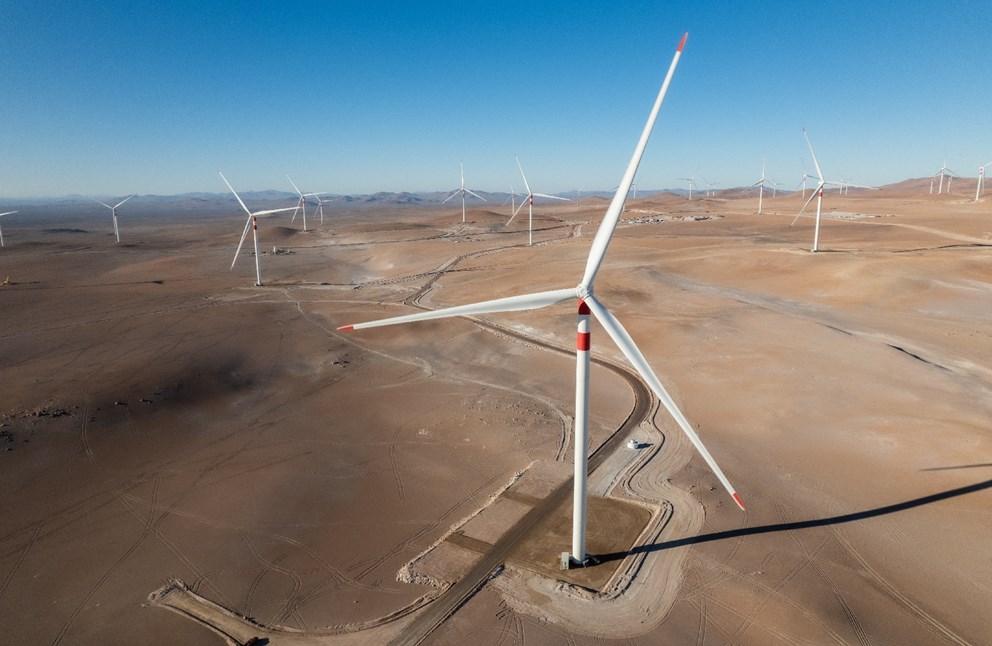
This development by Engie Chile influences energy security, grid resilience, economic growth, and Chile’s broader decarbonization. Wind energy reduces reliance on imported fossil fuels, lowers long-term generation costs, and enhances energy independence. This expansion speeds up the need for new transmission lines, grid reinforcements, and large batteries. This strengthens the grid and supports long-distance power flows from resource-rich regions to demand centers. The infrastructure upgrades prepare Chile for renewable expansion. Wind turbine installation draws international investors that bring advanced turbine technologies, modern project management practices, and competitive financing. This elevates Chile’s status as a stable and attractive renewable investment hub. Additionally, modern wind farms integrate with battery systems, smart controls, and grid-forming inverters. This demands the use of components such as secondary racks to support and secure these connections.
Functions of secondary racks in wind farms and supporting infrastructure
Secondary racks play a crucial role in the reliability, safety, and operational efficiency of modern wind farms. There are also other structures supporting the electrical balance-of-plant systems that interconnect turbines, substations, and the grid. Using secondary racks in the infrastructure allows power collection, cable management, protection, and serviceability. Its functions include:
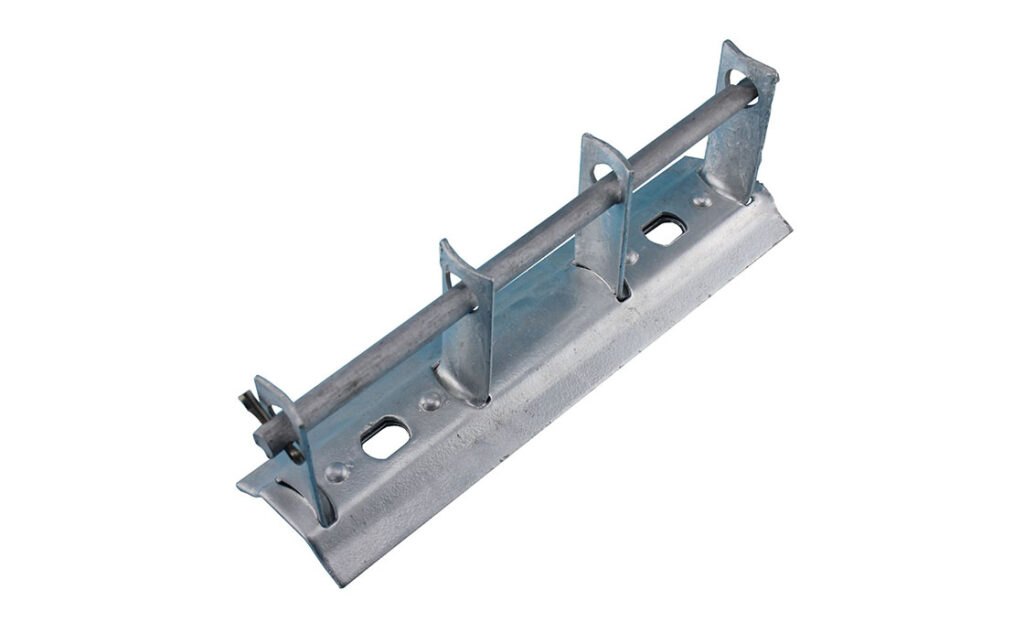
- Organizing and securing medium-voltage cable systems—secondary racks hold and route the medium-voltage collector cables. By allowing proper cable routing, the secondary racks avoid losses and maintain system reliability.
- Supporting protection and switching equipment—secondary racks house and support components in MV switchgear, junction boxes, reclosers, protection relays, and SCADA integration equipment.
- Stability to control and communication infrastructure—the racks support fiber-optic cable trays, communication cabinets, and monitoring sensors. This helps maintain operational performance across turbines.
- Increasing system redundancy—secondary racks organize equipment to identify, sectionalize, and isolate faults. This improves availability and increases energy production.
Technologies supporting Engie Chile’s wind turbine development
Engie Chile uses technologies that allow high performance to optimize production in Chile’s wind regions. The technologies integrate smart controls, enhance aerodynamics, and provide grid-support features. These technologies are as discussed below.
- High-capacity turbines—Engie’s wind farms rely on 4-6 MW class turbines with longer rotor blades, higher hub heights, and optimized pitch controls.
- Smart control systems—modern turbines have vibration and load sensors, real-time weather, and adaptive pitch regulation systems. These allow the turbines to predict wind flow changes, adjust blade angles, and reduce mechanical stress.
- Grid-forming and grid support capabilities—Engie uses turbines with advanced grid-supporting features. These include voltage and frequency regulation, ride-through capabilities, and reactive power support.
- Advanced blade materials—the project uses modern blade technologies such as serrated trailing edges for noise reduction and carbon-fiber-reinforced materials.