
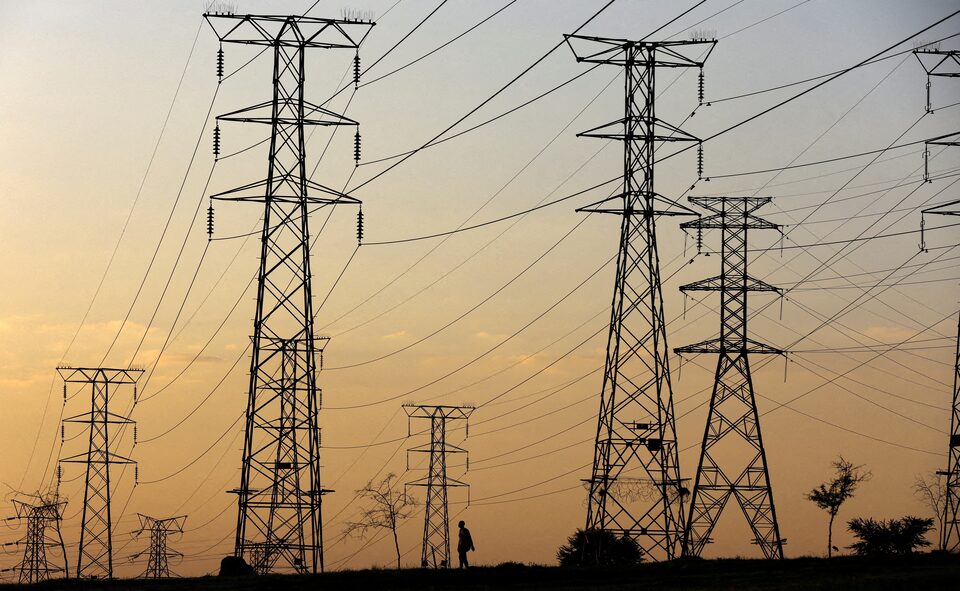
Chile’s National Energy Commission (CNE) has opened the 2026 power grid expansion process for transmission and distribution. The process strengthens long-term system planning while addressing structural constraints emerging from rapid renewable energy deployment. Chile has advanced renewable energy markets with large-scale solar PV and wind power in most regions. Renewable generation from these resources outpaces transmission and distribution upgrades. The 2026 expansion process is designed to address these issues by aligning generation growth forecasts with grid investment planning and providing regulatory visibility. Additionally, the projects address intermittency and reverse power flows through new high-voltage transmission lines, reinforcement of existing lines and substations, and upgrades at the distribution levels. Developing a smart grid will support Chile’s clean energy ambitions to lead to a secure and efficient power system. These developments will consist of increased use of power line hardware components. This includes the use of high-quality pin insulators.
Pin insulators prevent the flow of current from the live conductor to the grounded supporting pole. It also holds the conductor in place and resists weight, wind, and ice loads. It is engineered to withstand harsh environmental conditions such as UV radiation, pollution, salt exposure, and moisture. In Chile’s power grid expansion, using pin insulators helps secure connections linking large solar and wind farms to high-voltage transmission lines. Pin insulators on poles provide a reliable solution for lower-voltage circuits. Modern electrical insulators are lighter in weight, have superior pollution performance, and improve safety in case of impact. They have smooth hydrophobic surfaces that prevent the accumulation of conductive dust in various environments. Additionally, they have increased creepage distance that provides a longer leakage path for current to prevent arcs.
Quality assurance for pin insulators used in power grid expansion projects
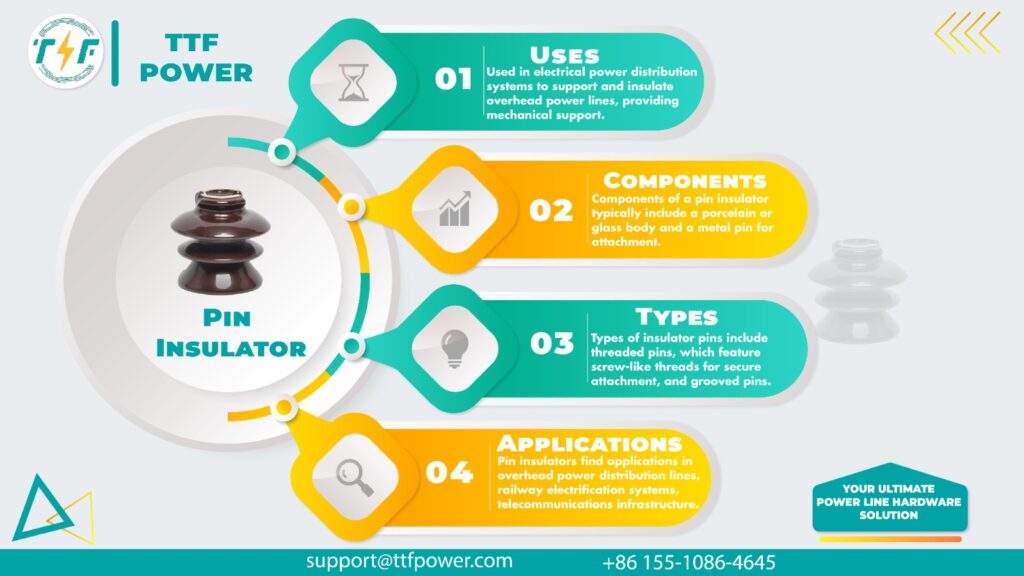
Enhancing quality assurance for pin insulators is vital for longevity, system reliability, and safety in power grids. Pin insulator assurance ensures they perform under higher mechanical, electrical, and environmental stress. Quality deviations on the insulators can lead to premature failures, increased outage rates, and elevated maintenance costs. Quality assurance ensures that insulators meet design intent, follow international standards, and perform reliably over long periods. Effective quality assurance for the insulators requires tight control over manufacturing stages. This includes forming and firing to ensure uniform density and mechanical strength. It also includes polymer molding and housing bonding for composite pin insulators. The quality assurance process also includes electrical and mechanical testing, environmental and durability tests, inspection, and documentation.
Uses of pin insulators in Chile’s power grid expansion projects
Pin insulators offer electrical and mechanical functions that support growth, renewable energy integration, and system reliability. Their functionality allows utilities to deploy them at scale without compromising safety, balance performance requirements, and maintain consistent technical standards in new and upgraded lines. TTF-certified pin insulators support conductor isolation, adapt to challenging environmental conditions, and ease standardized construction. Here are the key functions of pin insulators in Chile’s power grid expansion projects in Chile.
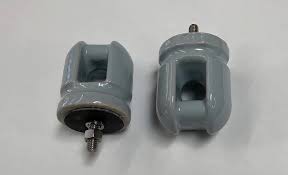
- Electrical insulation—pin insulators electrically isolate conductors from grounded support structures. The insulation prevents leakage currents and short circuits, maintains required phase-to-ground clearances, and supports safe operation under fault conditions.
- Mechanical support for overhead conductors—the insulators provide direct mechanical support to phase conductors in low- and medium-voltage lines. They serve in new rural electrification and grid densification projects. The insulators also support line extensions connecting renewable generation, and reinforcement of existing feeders.
- Supporting grid reliability and continuity of service—reliable insulator performance supports Chile’s goals of reducing outages and improving power quality. The pin insulator reduces the risk of flashover, ensures a stable conductor, and limits maintenance frequency.
- Compatibility with standard line hardware—pin insulators integrate with standard crossarms, pins, and conductors. The compatibility speeds up line construction, reduces installation errors, and enables faster replacement.
- Network expansion—the functional simplicity of the insulators allows utilities to deploy them at scale without compromising safety and balance performance requirements.
Power grid expansion supporting energy transition in Chile
Power grid expansion shapes Chile’s energy transition as renewable energy deployment increases. Grid expansion influences how Chile can decarbonize its power sector while maintaining security of supply. Grid expansion forces planners to adopt a more integrated planning model. This is characterized by anticipatory investment aligned with renewable project pipelines and stronger coordination between transmission, distribution, and generation planning. The expansion also enables Chile to evacuate renewable generation from resource-rich zones. It also increases system flexibility to manage intermittency, and reduce renewable curtailment.