

Argentina aims to get 30% of its electricity from renewable sources by 2030. This represents a shift in the energy sector, driven by worries about energy security, objectives for decarbonization, and sustainable cost efficiency. The upcoming energy summit in Argentina will showcase the vast potential of wind, solar, and hydroelectric power. Argentina aims to draw in investments and establish collaborations to reach its objectives. The main drivers of this investment include legislative clarity, the expansion of transmission infrastructure, and the availability of funding. Argentina’s increasing energy capacity and investments generate a need for energy storage, intelligent grids, and high-voltage transmission lines to maintain grid stability. The expansion requires the use of sturdy hardware elements like the line hook ball. The hook ball guarantees grid safety, reliability, and efficiency
The transmission grid demands strengthening and extension to carry power from remote generation sites. Line ball hooks provide mechanical suspension and tension support for overhead conductors on transmission towers. They ensure the lines remain in place even under high mechanical loads. The hook balls allow for the safe installation of high-voltage and extra-high-voltage lines. They have a robust design that accommodates thermal expansion and contraction of lines. They also handle mechanical stresses, maintain safe clearances, and prevent costly faults.
Argentina’s grid modernization involves new lines and upgrading existing infrastructure. The line ball hook helps replace older insulators with modern polymer or ceramic units. They offer better pollution performance, ease of installation and maintenance, and compatibility with sensors. The ball and socket design provides flexibility and articulation. This allows insulator strings to swing and adjust without breaking under dynamic loads. They offer resilience for keeping renewable energy online during and after extreme weather events. They enable proactive maintenance and faster restoration after faults to improve system availability.
The roles of Line ball Hook in Argentina’s renewable energy and decarbonization infrastructure
The line ball hook enables safe, efficient, and reliable overhead line installation and maintenance. The line ball hook is a metallic fitting designed to provide a temporary attachment point on overhead conductors and insulators. It is a crucial component used across transmission and distribution systems delivering power from wind, solar, and hydro assets. The line ball hook provides the following tasks in renewable expansion and decarbonization infrastructure.

- Enabling efficient transmission line construction for renewables—line ball hook support safe conductor handling, controlled tensioning, and alignment of overhead lines. They help speed up the grid construction.
- Supporting grid upgrades—the hook balls allow utility operators to support conductors, reconfigure line fittings, and reduce service interruptions.
- Enhancing safety during maintenance operations—the line ball hook provides a secure and predictable anchoring point for tools and lifting devices. They reduce the risk of conductor slippage and movement.
- Improving operational flexibility—renewable-heavy grids need frequent change, reinforcements, and extensions. Using the line ball hook supports modular and flexible construction. This enables utilities to integrate extra circuits and respond to grid expansion needs.
- Preserving conductor and hardware integrity—line ball hooks distribute mechanical loads evenly, prevent abrasion, and maintain long-term mechanical and electrical integrity.
Technologies and concepts that assist Argentina in reaching its renewable energy growth and decarbonization objectives.
Argentina possesses significant potential for renewable energy, encompassing wind, solar, and hydroelectric resources. To reach its decarbonization goals, the nation must put in place advanced generation technology and modernize its grid systems. These developments are transforming the power system from dependence on fossil fuels to a low-carbon energy setting that can meet 2030 objectives. The essential technologies consist of:
- Cutting-edge wind and solar generation technologies—efficient turbines and innovative PV modules—ease swift expansion of wind and solar capacity. Contemporary wind turbines featuring bigger rotor diameters and taller hub heights are enhancing energy collection in both low and high wind situations. Solar installations are utilizing bifacial PV modules to achieve greater efficiency.
- Energy storage and hybrid power systems—energy storage solutions assist wind and solar facilities in stabilizing fluctuations and delivering frequency control. Hybrid systems are allowing renewable projects to operate as energy sources.
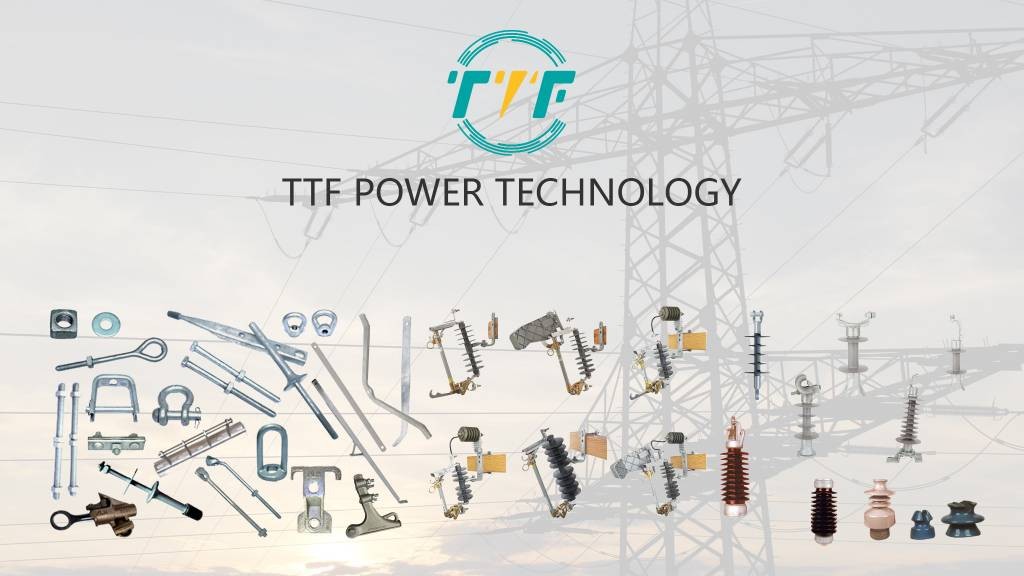
- Transmission systems and grid upgrades—enhancing renewable energy production requires resilient transmission networks. The nation is investing in high-voltage and extra-high-voltage transmission lines reinforced by line ball hooks to link resource regions to demand hubs.
- Sustainable materials and balance-of-system innovations—innovation in balance-of-system components, including advanced conductors—support faster deployment and longer asset lifecycles.