

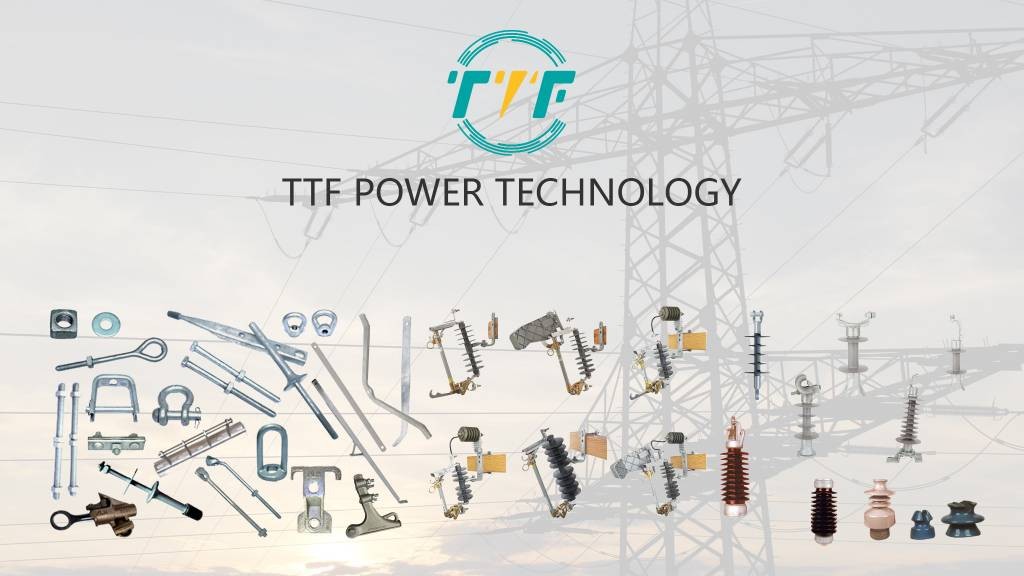
According to a report by JP Morgan, lithium prices are expected to rise due to the adoption of Artificial Intelligence (AI), global vehicle electrification, and energy security needs. The current price is at around US$13,500 per ton, with traders forecasting US$17,500 per ton. The Argentine Chamber of Mining Companies (CAEM) reports that Argentina is positioned to become a dominant global supplier. It targets 131,000 tons of lithium production for 2025. Artificial intelligence is becoming a non-traditional and increasingly material source of lithium demand. The hyperscale data centers powering AI models need massive, uninterrupted energy supplies, driving investment in battery energy storage systems. Lithium-ion batteries are essential for grid-scale and storage, which links AI growth to lithium consumption. This integration relies on robust infrastructure for secure and reliable connections. Using components like the clevis eye creates secure, adjustable, and strong linkages in structural and tension systems.
Lithium is also a crucial component for global vehicle electrification, helping phase out internal combustion engines. With the integration of battery storage systems, renewable energy is now being adopted around the country. Lithium supports the country’s energy security and grid resilience. Using the clevis eye in the lithium production and transportation infrastructure ensures safety, efficiency, and scalability of the lithium supply chain. The evaporation ponds have heavy-duty geomembrane anchored to the perimeter trenches using cable anchor systems. The clevis eye terminates the ends of the anchor cables.
Clevises provide a strong and reliable loop that connects to a ground anchor to ensure the pond liner is secure against powerful winds. It also attaches to a rod or cable supporting transportation pipes. The clevis provides pivoting action that allows for slight movement and eases installation. They also prevent the pipes from moving in case of movement.
Functions of the clevis eye in lithium infrastructure
The clevis eye supports the safe, efficient, and reliable movement of materials and equipment across sites, processing facilities, and logistics lines. It ensures the operational continuity in the most strategic resource sectors. It enables secure connections, safe lifting, and modular construction. Its key functions include:

- Vibration and movement resistance—clevis eyes allow for limited articulation between connected parts to accommodate movement without inducing fatigue. It is essential in conveyor systems, mobile pumping units, and transport frames.
- Modular and scalable infrastructure—the clevis eye enables rapid assembly and disassembly of structural and mechanical systems. Their design improves compatibility across different suppliers and project phases.
- Secure connection and load transfer—the clevis eye functions as a connection point between chains, rods, cables, and lifting. The clevis eyes help transfer loads in pumping systems, evaporation pond infrastructure, and modular processing units.
- Support for lifting and handling operations—lithium production depends on the movement of heavy equipment, piping, tanks, and prefabricated modules. The clevis provides reliable attachment points for cranes and winches during installation, maintenance, and equipment relocation.
Artificial Intelligence in Argentina’s Lithium Production
Artificial intelligence is a strategic enabler in Argentina’s lithium industry as it improves efficiency, sustainability, and competitiveness across the value chain. It supports the processing, logistics, and market optimization of lithium. AI adoption is crucial for scaling production while controlling costs and environmental impact. It influences the lithium industry in the following ways:
- Resource exploration and brine characterization—AI-driven geological modeling and data analytics are essential in Argentina’s high-altitude salt flats. Using machine learning algorithms, satellite imagery, and drilling reduces exploration risks and shortens project timelines.
- Optimization of brine extraction and processing—AI systems help optimize pumping rates, evaporation cycles, and chemical processing parameters. The models help maximize lithium recovery while reducing reagent use and processing losses.
- Water and environmental management—AI-enabled monitoring systems track water levels, salinity, and ecosystem indicators to support responsible resource management. The models help operators balance production targets with environmental constraints and reduce the risk of over extraction.
- Predictive maintenance and asset reliability—AI-powered predictive maintenance systems analyze sensor data from pumps, pipelines, processing units, and transport equipment to report failures before they happen. They clevis-eye form part of tie-down and restraint systems on trucks, rail wagons, and port handling equipment.
- Supply chain and logistics optimization—AI enhances the efficiency of lithium transportation from production sites to processing plants and export terminals. Advanced analytics optimize routing, inventory management, and shipment scheduling.