

Argentina’s liquefied petroleum gas sector stands for expansion as regulatory liberalization unlocks production capacity from the unconventional reserves. The growth also arises from resource abundance and reorientation toward market-based investment signals. The abundance in Vaca Muerta supports Argentina’s LPG growth. Vaca Muerta’s liquids-rich gas streams are ideal for propane and butane recovery and rising natural gas output that leads to higher LPG volumes. As drilling intensifies, LPG supply growth is expected to outpace domestic demand and reinforce the need for export-oriented infrastructure. The regulatory shift has led to significant investment in midstream infrastructure. It includes gas processing plants, fractionation units, storage terminals, and port facilities. This infrastructure helps handle larger LPG volumes and ensure supply reliability for domestic consumption and exports. These interconnections demand the use of hardware components such as stay wire thimbles.
Thimbles play a crucial role in the structural integrity and safety of tall process columns and towers. LPG production involves tall, slender vertical vessels like deethanizers, depropanizers, debutanizers, and fractionation towers. This demands the use of guy wires anchored to the ground to prevent towers from bending, vibrating, and collapsing. The thimble serves at the termination points of the guy wires and protect the wire from wear, fatigue, and breakage at the critical connection points.
High-quality thimble prevents the wire from kinking, fraying, or suffering from metal-on-metal abrasion where it connects to shackles, turnbuckles, or anchor bolts. They help distribute the mechanical stress through the wire rope. This prevents localized stress points that could lead to failure. The thimble works with wire rope clips to create a permanent, reliable eye loop. The loop then connects to the rest of the rigging hardware to ensure the guy wire is properly tensioned.
Using thimbles in Argentina’s LPG infrastructure
Thimbles serve a critical mechanical and safety function within lifting, anchoring, and cable-termination systems used across upstream, midstream, and downstream facilities. Thimbles ensures structural integrity, operational reliability, and compliance with safety standards. Here are the functions of the thimbles in Argentina’s LPG infrastructure.

- Mechanical protection in cable and wire rope terminations – thimbles protect wire ropes, guy wires, and synthetic slings from abrasion and deformation at termination points. LPG infrastructure uses steel cables for equipment support, vessel anchoring, and overhead lifting systems secured by thimbles.
- Load distribution and structural stability – LPG infrastructure includes storage spheres, pressure vessels, pipe racks, and loading arms that need precise load management. Thimbles ensure even load distribution where cables interface with shackles, hooks, or clevises.
- Support for lifting and maintenance operations – thimbles reinforce sling eyes used to lift compressors, separators, heat exchangers, and modular skid units. The thimbles reduce the risk of slippage during lifting. This contributes to safer plant operations and reduced downtime.
- Enabling scalable infrastructure development – thimbles enable reliable temporary and permanent cable connections during construction, commissioning, and expansion phases.
- Risk reduction – thimbles protect cables, maintain load paths, and enhance system durability. They contribute to the safety and resilience of Argentina’s LPG production and logistics infrastructure.
Argentina’s LPG infrastructure supporting production and export
Argentina’s liquefied petroleum gas infrastructure has developed over the years into an integrates system that supports rising production from unconventional resources. Upstream growth from shale formations speed up investment across processing, storage, transportation, and port facilities. This position the country as an emerging LPG supplier in regional and international markets. Key infrastructure include:
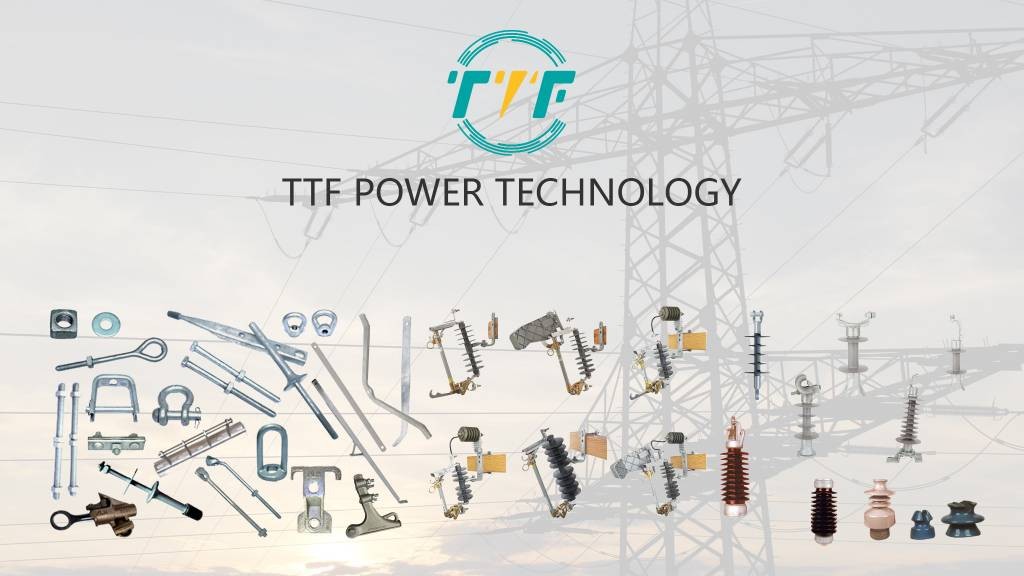
- Upstream processing and LPG infrastructure – gas processing plants have extraction and fractionation units that separate propane and butane from raw gas streams. Thimbles help secure the LPG processing and transportation infrastructure.
- Midstream storage and handling systems – storage infrastructure helps balance production variability and market demand. The storage systems enhance operational flexibility, to allow producers to manage seasonal demand swings.
- Transportation and logistics networks – Argentina’s LPG logistics networks integrate pipelines, rail, and road transport to move product from production sites to markets. The pipelines connect gas processing plants to fractionation and storage facilities.
- Export terminals and port infrastructure – port facilities work with LPG loading arms, storage tanks, and marine berths. They enable bulk exports to regional and global markets. The infrastructure allows Argentina to monetize surplus production and respond to international price signals.
- Integration with regional energy markets – Argentina’s LPG infrastructure supports cross-border trade with South America. The systems and trade agreements ease exports to neighboring countries to strengthen regional energy integration.