

Argentina’s YPF expects to reach the Final Investment Decision for a US $20 billion LNG project by mid-2026. The plan covers the first phase of building a 12 million tonnes per annum LNG facility. It also consists of 6 million tonnes per annum of floating LNG units to process gas from the onshore Vaca Muerta basin. Using FLNG reduces capital costs, speeds up deployment, and allows flexibility. The project aims to leverage the vast natural gas reserves in Vaca Muerta. Converting the gas into LNG for export could transform Argentina into a global exporter. LNG export could become a major foreign-exchange earner and help reduce energy trade deficits and attract foreign investment. This export demands the use of robust infrastructure such as power lines, offshore mooring, transmission pipelines, and gas processing. This demands the use of hardware components such as aerial suspension clamps.
Suspension clamps serve as an electrical power transmission system that enables the entire LNG export operation to function. The clamps securely hold the cables and maintain proper electrical clearance. It also helps manage mechanical stresses from wind, ice, and conductor weight. Using the clamps in LNG export infrastructure ensures the reliability and integrity of the power grid that delivers electricity to the plant. Aerial suspension clamps work in pipeline infrastructure delivering to a liquefaction plant and a floating LNG unit.
The clamps support the high-voltage transmission lines running from the national grid and from new renewable energy projects to industrial hubs. The clamps prevent conductor slipping that results in blackouts shutting down the LNG train. By supporting new transmission lines, the clamps help deliver wind and solar power to the LNG facilities. They help provide reliable and high-quality power for Argentina’s LNG export facilities to operate safely.
Influence of increased LNG export in Argentina’s energy sector

Liquefied natural gas exports have the ability to reshape Argentina’s energy sector by altering supply and demand dynamics. Increased LNG export supports infrastructure investment patterns, fiscal stability, and the strategic position in global gas markets. It leads to the shift toward a more export-driven and production-led model. LNG export volumes stimulate capital inflows into shale gas drilling and completion activity. It also supplies to pipeline expansions, gas processing plants, and compressor stations. The investment cycle strengthens domestic supply chains and speeds up technology transfers.
Aerial suspension clamps in Argentina’s LNG export infrastructure
Aerial suspension clamps provide mechanical and operational roles in the LNG export value chain in Argentina. They function in the overhead power and communications networks that energize and control midstream and export-terminal assets. Suspension clamps serve in cable support used for system reliability, safety, and uptime. Here are the functions of the aerial suspension clamps in LNG export infrastructure.

- Mechanical load distribution and conductor support—aerial suspension clamps carry the weight of conductors and distribute tensile loads across the cable. They help supply power to compressor stations, gas treatment plants, and FLNG support bases.
- Vibration control in high-wind coastal corridors—suspension clamps reduce aeolian vibration transfer, reduce span oscillations, and stabilize conductor structure.
- Electrical clearance and line geometry management—aerial suspension clamps maintain correct conductor sag and clearance casings. The right conductor sag is crucial for maintaining safe distances from LNG process modules and pipe racks.
- Enhances system reliability for LNG loads—LNG export infrastructure depends on a continuous stable power supply. Suspension clamps reduce mechanical stress concentrations, prevent conductor slippage, and limit failures caused by fatigue.
Electrical infrastructure for LNG export in Argentina
Argentina’s LNG export system depends on a high-reliability electrical network to power various processes. The infrastructure delivers power to gas conditioning, liquefaction, storage, and marine loading systems. Aerial suspension clamps support overhead conductors that distribute and stabilize power across the high-load LNG facilities. Key infrastructure includes:
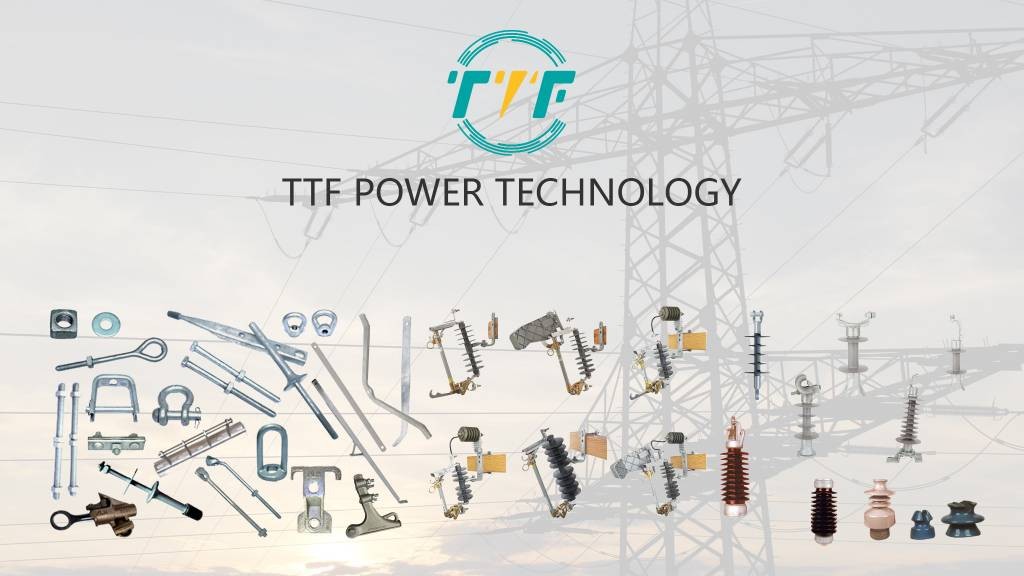
- Overhead transmission lines feeding LNG export lines—suspension clamps serve on high-voltage transmission lines carrying power from the grid to various processes.
- Substation interconnections and line terminations—overhead conductors transition between busbars, switchgear, and protection systems. Aerial suspension clamps help stabilize jumpers, preserve mechanical tension, and ensure clear electrical phase spacing.
- Electrical networks supporting FLNG terminals—overhead electrical networks support power supply to cryogenic refrigeration compressors, loading arms, and jetty control systems. The clamps enable secure conductor routing in high-wind, saline, and humidity-intensive environments along Argentina’s coastline.
- Integration with backup power systems—gas turbine backup generators and diesel-fired emergency power plants must remain stable during fault events and grid disturbances.