
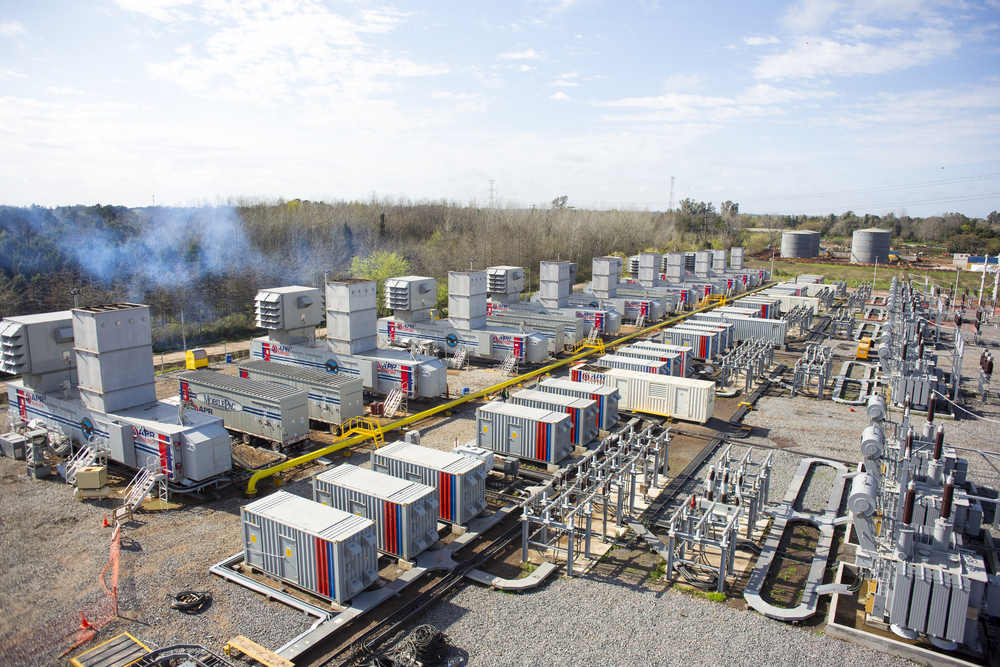
Argentine company SECCO positions itself at the forefront of energy solutions with on-site power generation projects. On-site generation is an alternative for industries aiming to reduce costs, improve efficiency, and ensure the continuity of their operations. SECCO provides tailor-made solutions that reduce the cost per kWh. This helps prevent interruptions in production processes and support more sustainable energy management. The company designs and produces medium- and high-power units for the consumers. SECCO has installed more than 1,500 MW across 160 power generation plants operating in isolated systems or connected to Argentina’s grid. Its technology supports renewable energy integration, including solar PV and hybrid systems. The infrastructure depends on hardware components such as aerial suspension clamps. These clamps grip and support the conductors at suspension points on insulators attached to transmission towers.
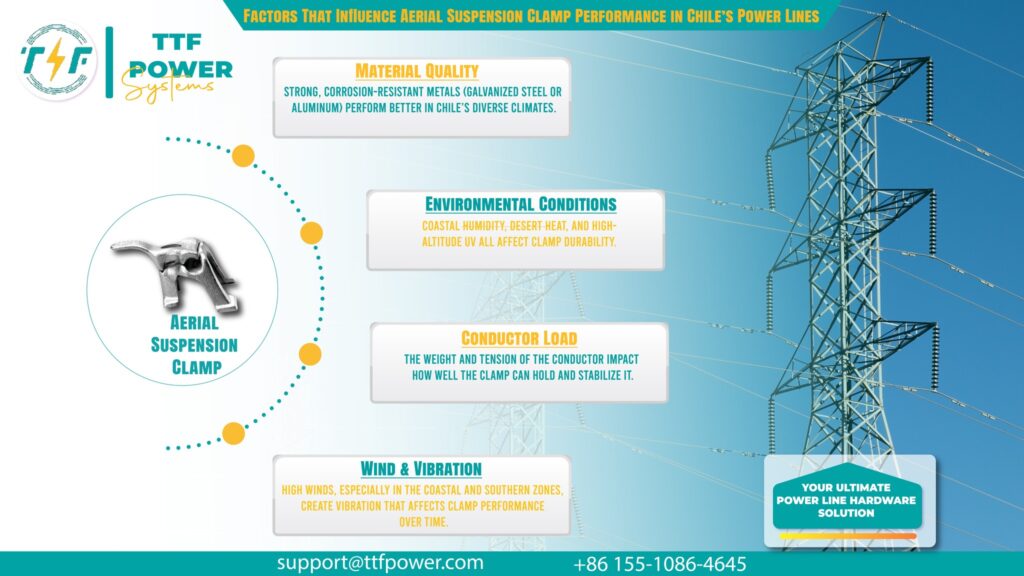
Quality suspension clamps ensure the conductor remains in place and bears the weight and mechanical loads across spans within the industrial complex. Overhead conductors at the generation site face wind-induced vibrations that can cause conductor fatigue at hard clamping points. Using the suspension clamps incorporates features to distribute bending stress and dampen vibrations. The clamp has to maintain good electrical contact with the conductor to prevent discharge and arcing. Its smooth design reduces corona to ensure efficient delivery of generated power to SECCO’s energy-intensive processes.
Aerial suspension clamps are from aluminum alloy or galvanized steel to resist corrosion and maintain mechanical integrity. The clamp is designed to withstand the electrodynamic forces without slipping or deforming. They ensure the system remains intact for protection systems to operate. Modern suspension clamps allow for the installation and removal using hot-line tools. This enables maintenance without de-energizing the line.
Impacts of on-site power generation in Argentina’s energy sector
On-site power generation is growing and influencing Argentina’s energy sector to reshape electricity production, distribution, and consumption. More industrial users, commercial facilities, and large infrastructure projects are adopting decentralized generation models. These influence costs, structural, economic, and environmental outcomes for the national energy system. On-site generation promotes decentralization, efficiency, and sustainability. This plays a crucial role in building a more resilient, competitive, and national energy system.
Aerial suspension clamps in on-site generation infrastructure
Aerial suspension clamps provide the reliability and efficiency of on-site power generation projects in Argentina. It is crucial where electricity must be transmitted from localized generation units to industrial facilities. The clamps maintain mechanical integrity and electrical performance in overhead line systems. Here are the functions of the aerial suspension clamps in Argentina’s on-site generation infrastructure.
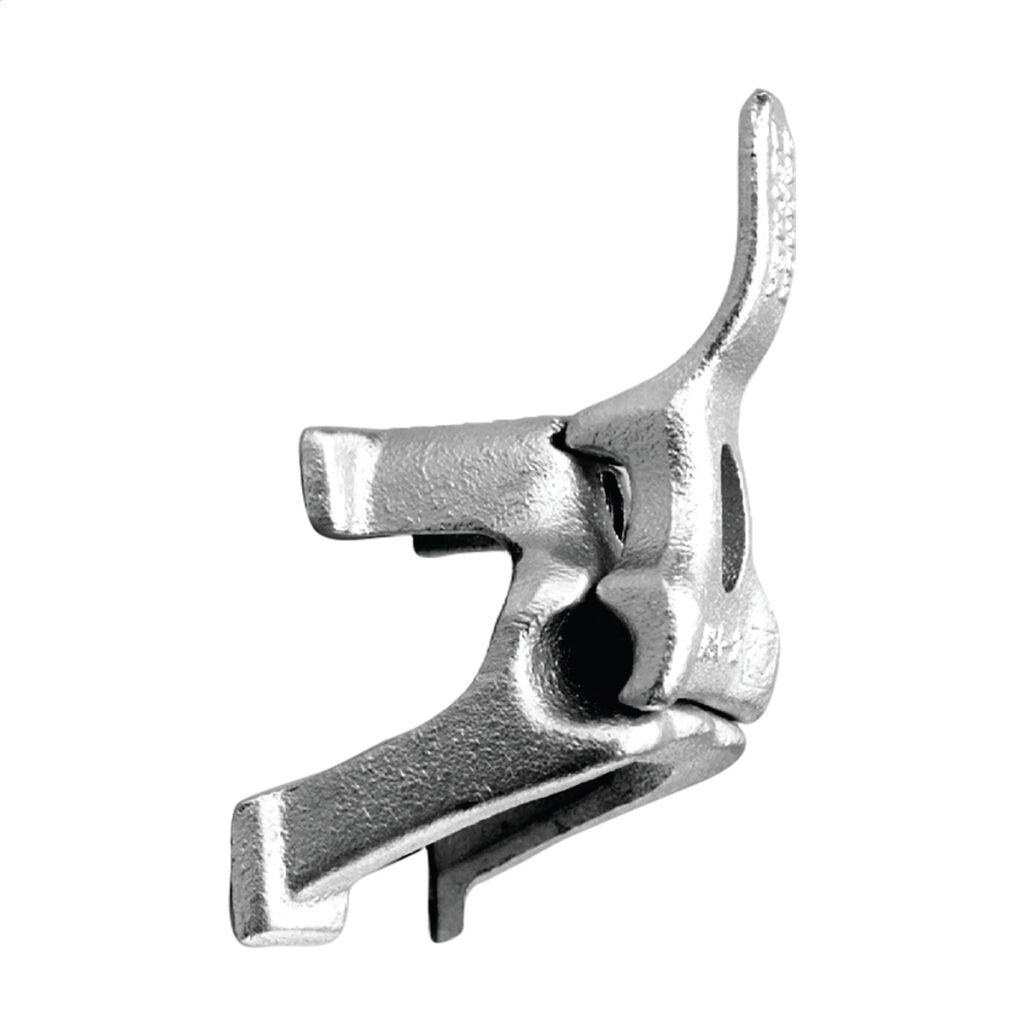
- Mechanical support and load distribution—the clamps support overhead conductors on transmission and distribution poles without fixing them in place. They suspend conductors while distributing mechanical loads in gas-fired plants, solar PV installations, or hybrid microgrids.
- Accommodation of conductor movement—on-site generation infrastructure faces thermal expansion and contraction. This is due to fluctuating power output and temperature changes. Aerial suspension clamps allow controlled conductor movement, reduce mechanical strain, and prevent fatigue.
- Enhanced reliability of power lines—suspension clamps maintain correct conductor alignment and sag to ensure stable electrical clearances. They support uninterrupted energy delivery, which is critical for on-site generation in Argentina.
- Support for modular and scalable energy systems—aerial suspension clamps ease modular line construction and upgrades. They enable simple installation and adjustment of conductors.
Benefits of on-site generation in Argentina
On-site generation helps industries and energy consumers respond to rising electricity costs, grid constraints, and the need for greater operational resilience. Producing electricity near or at the area of consumption can address economic, technical, and sustainability challenges. Key benefits include:
- Reduced energy costs—grid tariffs depend on fuel price volatility, transmission charges, and regulatory adjustments. On-site generation uses natural gas, solar PV, or hybrid systems to allow industries to lower their costs.
- Improved grid reliability—grid instability and localized outages pose risks for industrial facilities. On-site power generation enhances energy security by ensuring a stable and continuous electricity supply independent of grid performance.
- Lower transmission losses and infrastructure constraints—on-site generation is crucial for remote and industrial zones where grid infrastructure is costly to upgrade. The aerial suspension clamps secure the infrastructure to prevent losses.
- Support for sustainability and decarbonization goals—on-site power generation eases the integration of renewable energy and high-efficiency technologies. Systems such as combined heat and power reduce greenhouse gas emissions, improve fuel use, and help companies meet environmental, social, and governance commitments.