
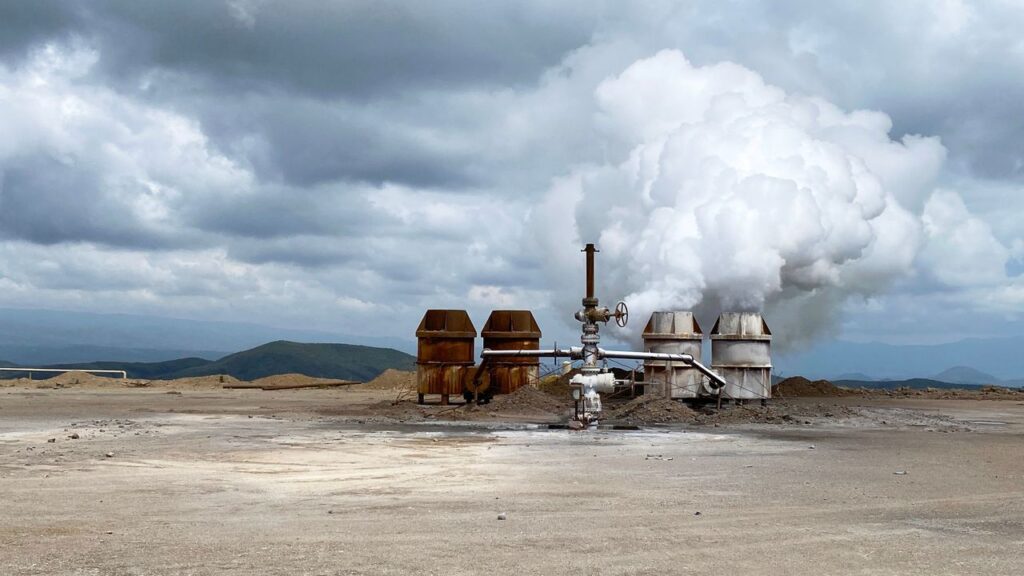
Recently, Peru performed a study that confirmed a large-scale geothermal system in the southern Andes near the Chilean border. The Geophysical Institute confirmed the existence of a large-scale geothermal system on the Chilean border. The study was conducted using a magnetotelluric method, a technology that produces a subsurface image by measuring natural electromagnetic fields. This technique measures natural variations in the electromagnetic field to map subsurface resistivity. Geothermal energy provides continuous dispatchable power, unlike solar or wind. It offers stability and reliability in regions with grid instability or reliance on fossil fuels. Geothermal development could reduce transmission losses, improve regional energy security, and support mining and industrial loads. This provides opportunities for bilateral energy cooperation and resource management challenges. The development relies on robust power line hardware like guy stubs. Guy strains stabilize and secure geothermal infrastructure in Peru.
High-quality guy strains ensure operational safety and reliability of geothermal development infrastructure. Guy wires support heavy equipment that ought to operate safely in challenging environments. Guy wires anchor tall drilling rigs and derricks to the ground. This prevents them from collapsing or tipping over due to high winds, seismic activity, or unstable ground conditions. Guy wires anchor masts, towers, and monitoring stations. Their design helps secure structures without requiring heavy and permanent foundations, which are difficult to install in rugged terrain. Guy wires provide the necessary support to help critical infrastructure withstand earthquakes. They absorb and distribute forces to help prevent structural failure and ensure operational safety during seismic events.
Quality assurance for guy strain in geothermal power development in Peru
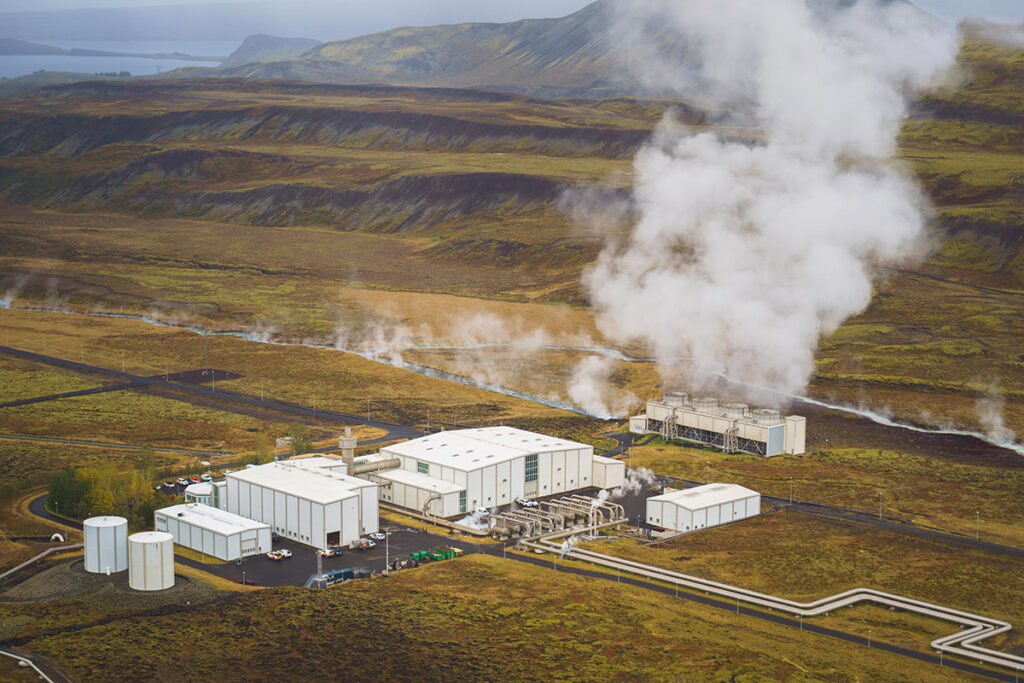
Quality assurance for guy strain components in geothermal power development is essential for structural reliability. Guy strain assemblies should be engineered and verified to withstand coupled mechanical and environmental stresses over long service periods. Guy strain systems stabilize transmission poles and geothermal wellhead structures, maintain conductor tension, and resist dynamic loads from thermal expansion effects. Quality assurance begins with material control, mechanical performance testing, corrosion resistance validation, and foundation integrity. QA must account for high-altitude conditions, seismic loading, and remote logistics. Enhancing quality assurance for guy strain delivers grid reliability, reduced lifecycle costs, operational safety, and regulatory compliance. This helps ensure structural integrity and uninterrupted power delivery.
Functions of guy strains in geothermal energy development infrastructure.
Guy strain systems provide mechanical stability, load management, and resilience against environmental and seismic forces. They support stabilization of geothermal plant structures and adaptation of complex Andean terrain. Guy-strain systems ensure reliable and safe energy delivery. Here are the roles of guy strings in geothermal energy infrastructure.
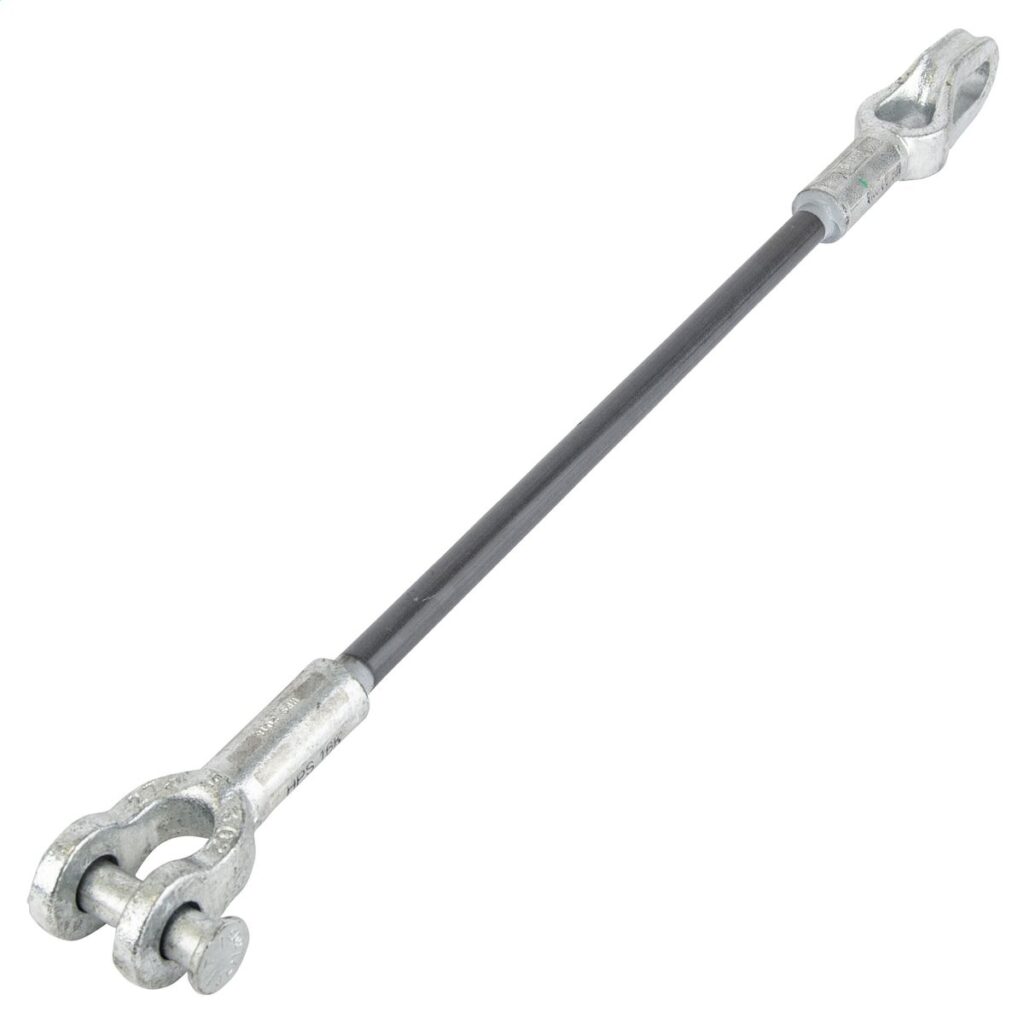
- Dynamic load resistance—guy strains act as flexible load-distribution systems, reduce structural oscillations, and provide redundancy by sharing loads. They are essential for absorbing transient forces without brittle failure in the infrastructure.
- Structural stabilization of transmission and distribution assets—guy strains provide lateral support to poles and counteract unbalanced conductor tension at dead-ends and angle points.
- Load management and tension control—guy strains maintain optimal conductor sag and clearance, absorb tensile forces, and redistribute mechanical loads into the ground.
- Support for wellhead and auxiliary structures—the assemblies stabilize vertical structures and provide anchorage for temporary drilling rigs and maintenance equipment. They help resist vibration induced by high-pressure steam discharge.
- Operational reliability – infrastructure failure in geothermal fields that can disrupt baseload generation. Guy strains contribute to preventing pole collapse that could interrupt power output and enhance safety around high-pressure steam facilities, maintaining alignment of critical infrastructure.
Infrastructure supporting geothermal energy in Peru
Geothermal energy development in Peru needs robust infrastructure for reliability and efficiency. This includes the use of subsurface resource access, surface plant systems, and external enabling infrastructure. Each component must be engineered for corrosive fluids, seismic loading, and remote logistics. This infrastructure includes:
- Subsurface infrastructure—the development starts with characterization and access to the geothermal reservoir. It includes geophysical survey systems, exploratory and production wells, and downhole logging tools.
- Wellfield and steam gathering—surface infrastructure is necessary to extract and transport geothermal fluids after establishing wells.
- Power plant facilities – this infrastructure includes flash steam plants and binary cycle plants. It consists of steam turbines and generators, heat exchangers and condensers, and cooling towers.
- Electrical transmission and grid integration—this includes step-up substations, overhead transmission lines supported by guy strain, and grid interconnection infrastructure linking to regional networks.