
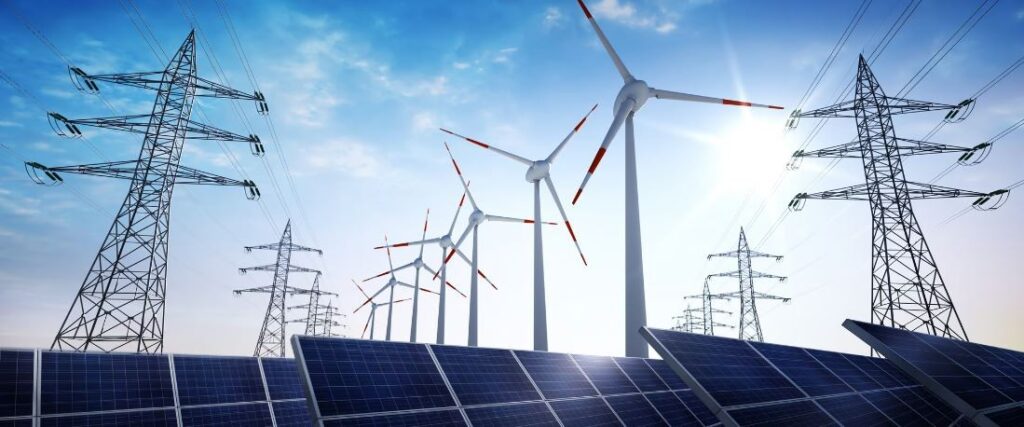
TDDL, a global energy infrastructure firm, partners with LH Energy to support the energy transition, grid expansion, and infrastructure modernization. It is leveraging a favorable environment driven by the growth of renewable energy and the need to strengthen transmission networks. TDDL’s long-term model in Argentina focuses on local partnerships and regulatory adaptation, development of local capabilities, and tailored engineering solutions. It also includes low voltage, medium voltage, high voltage, and underground cabling solutions. The technologies are also designed to support grid integration of renewable energy, including wind power, solar PV, and energy storage systems. Argentina’s renewable capacity has outpaced transmission capacity, which creates curtailment risks and limits dispatch of low-cost renewable energy. TDDL’s positioning offers a focus on grid-enabling components such as preformed tension clamps. These components allow integration, stability, and reliability of the systems.
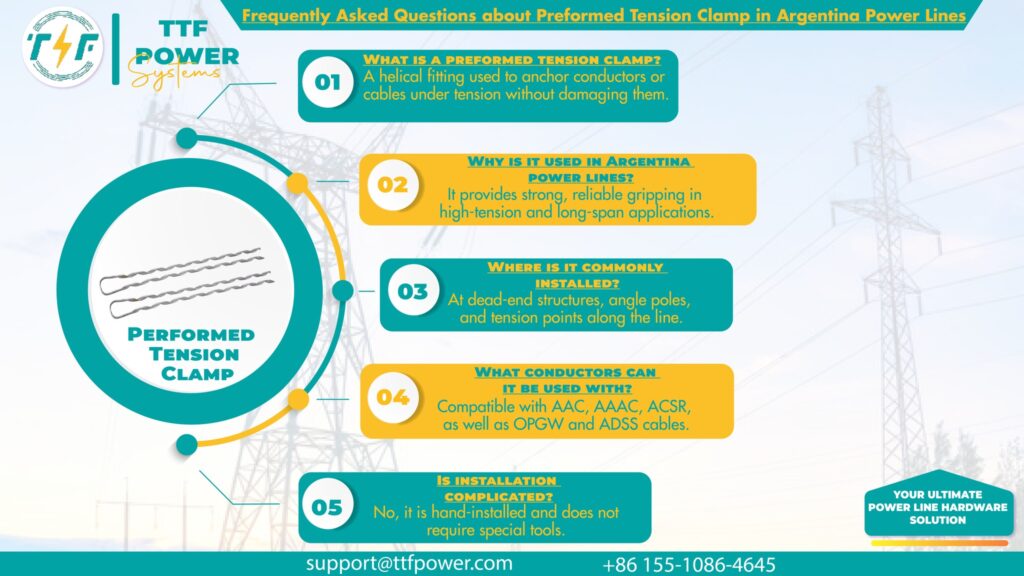
Preformed tension clamps anchor and terminate power lines to integrate large-scale wind and solar power. The clamps permanently terminate conductors at dead-end towers, substations, and angle points. This transfers full tensile load to the structure. Preformed tension clamps provide stable line anchoring for new transmission lines evacuating power from Patagonia. Their helical rods distribute gripping pressure along the cable, preventing crushing, stress concentrations, and strand damage. This helps extend the conductor’s life under high winds and temperature fluctuations. The tension clamps maintain a low-resistance electrical path through the conductor to the fitting and prevent energy loss and hot spots. This ensures efficient power transfer from generation sites to urban centers. Additionally, they maintain consistent tension to control sag and ensure safe ground clearance. This allows transmission lines to handle fluctuating power flows from variable wind and solar generation.
Quality assurance for preformed tension clamps used in energy transition
It is crucial to conduct quality assurance for preformed tension clamps used in continuous mechanical loads. It helps ensure conductor integrity, line reliability, and safety. Quality assurance prevents failures such as conductor slippage or breakage. QA for the clamps embeds across design, materials, manufacturing, and field validation. The process begins by conducting chemical composition verification, mechanical property validation, and coating integrity checks for galvanized components. Quality assurance protocols also include precision measurement of pitch, diameter, and lay length. It also includes verification of conductor compatibility tolerances and use of calibrated tooling and gauges to ensure repeatability. The clamps must meet strict load-bearing and endurance criteria through rated tensile strength testing, slip strength tests, fatigue testing, and creep testing. Quality assurance processes for the clamp also ensure corrosion resistance and verify the installation performance. Through these tests, QA supports the structural integrity of transmission and renewable energy infrastructure.
Functions of the preformed tension clamp in Argentina’s grid and renewable expansion
Preformed tension clamps are essential for load management, asset longevity, and ridge stability. The clamps contribute to transmission efficiency, infrastructure durability, and the success of energy transition projects. Here are the key roles of the preformed tension clamps in expansion infrastructure.
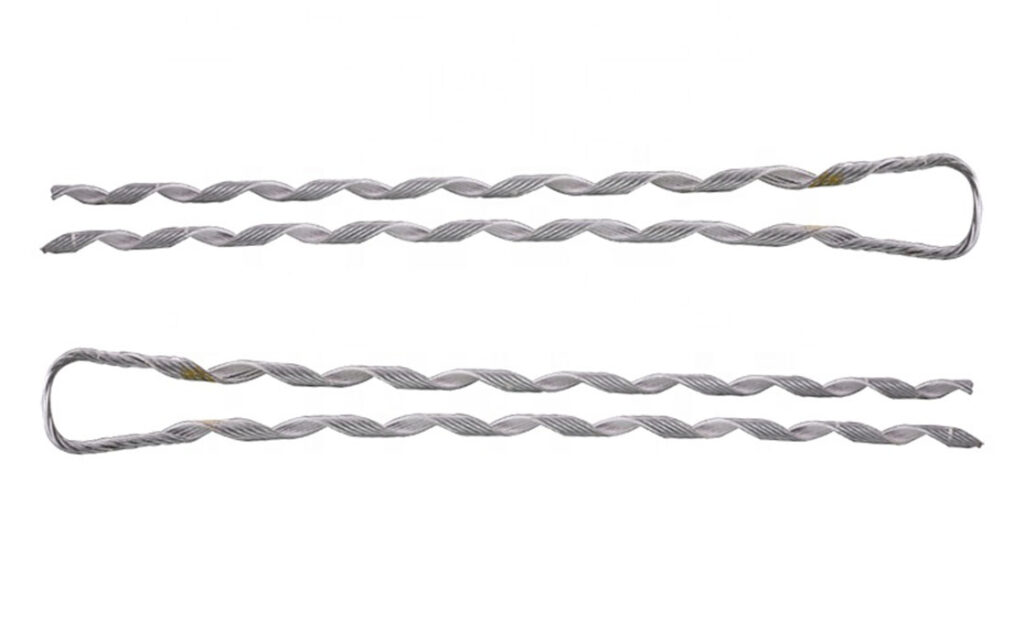
- Deadend anchoring in high-voltage transmission lines—the clamps provide deadend anchoring without introducing localized stress concentrations, maintain conductor integrity, and enable stable terminations.
- Mechanical load transfer and structural stability – clamps act as the interface between the conductor and tower hardware. They transfer axial tension loads from conductors to insulator strings, maintain alignment under thermal expansion and contraction, and withstand dynamic forces from wind, ice loading, and conductor galloping.
- Integration support for renewable energy projects—preformed tension clamps support deployment of collector systems and transmission interconnections. They also support reliable performance and consistent mechanical behavior across different conductor types.
- Adaptability to diverse conductor technologies – preformed clamps are engineered for specific conductor diameters and construction. They also ensure compatibility without the need for complex adjustments.
Impacts of TDDL in Argentina’s energy sector
TDDL’s energy into Argentina’s energy sector could generate impacts across technical performance, supply chain dynamics, and project execution. The integration will speed up grid expansion and reinforcement, enhance reliability and reduce technical losses, strengthen quality assurance standards, and support renewable energy integration. It will also increase competition, localize supply chains, and moderate structural risks such as currency volatility and regulatory uncertainty. TDDL in Argentina has the potential to address transmission inefficiencies and enable renewable integration. The success of the project will depend on TDDL’s adaptability to Argentina’s complex economic and regulatory landscape.