
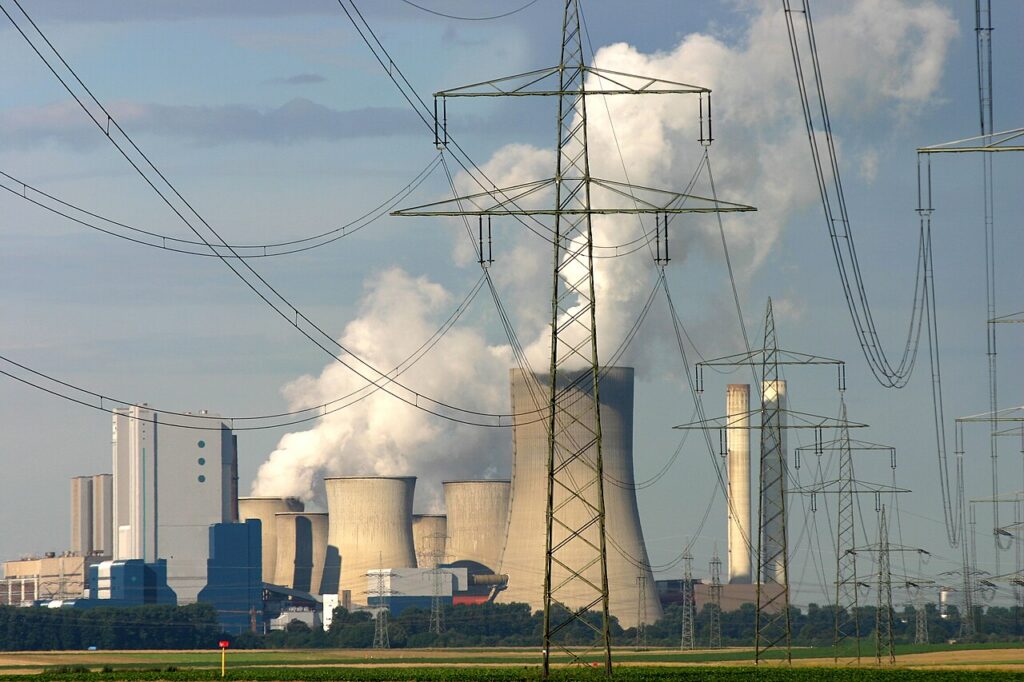
Genneia, Argentina’s biggest clean energy generator, is deciding the future of its 118 MW Bragado thermoelectric complex. Bragado and the 245 MW Cruz Alta asset in Tucuman province constitute the company’s 363 MW portfolio of fossil fuel-fired power stations. As renewable penetration increases in the country, thermoelectric peaker plants face new operational realities. These include reduced annual dispatch hours, increased competition from lower-cost renewables, and pressure from decarbonization policies. However, gas peaker plants still provide grid support functions that intermittent renewable generation cannot fully replace. These assets offer fast startup capability, frequency stabilization, reserve capacity during renewable intermittency, and backup generation during transmission congestion. Thermal plants help bridge the gap between fossil-based generation and a more storage-supported renewable grid. Interconnection and integration of these plants with the grid and renewable energy resources rely on pin-type insulators.
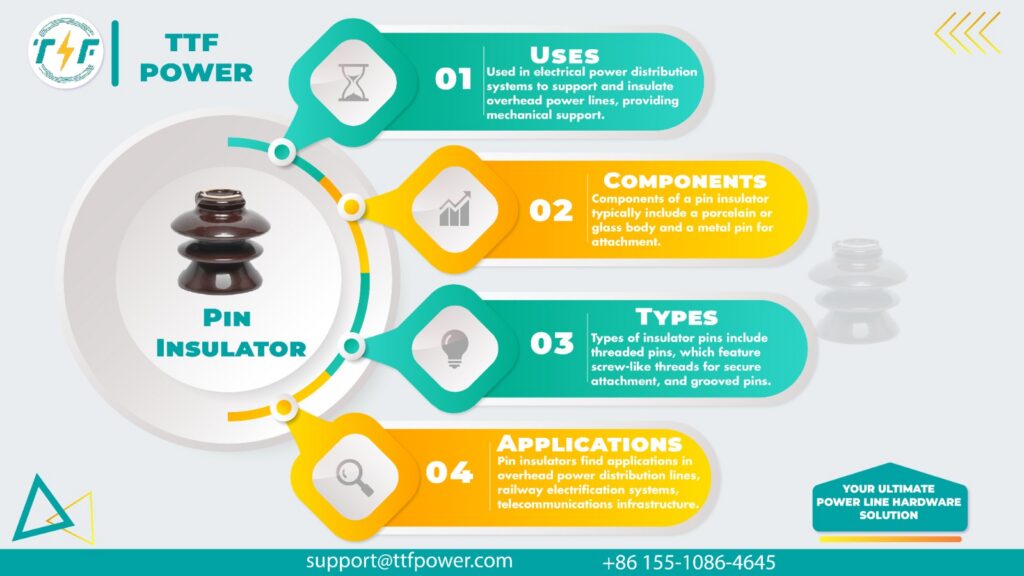
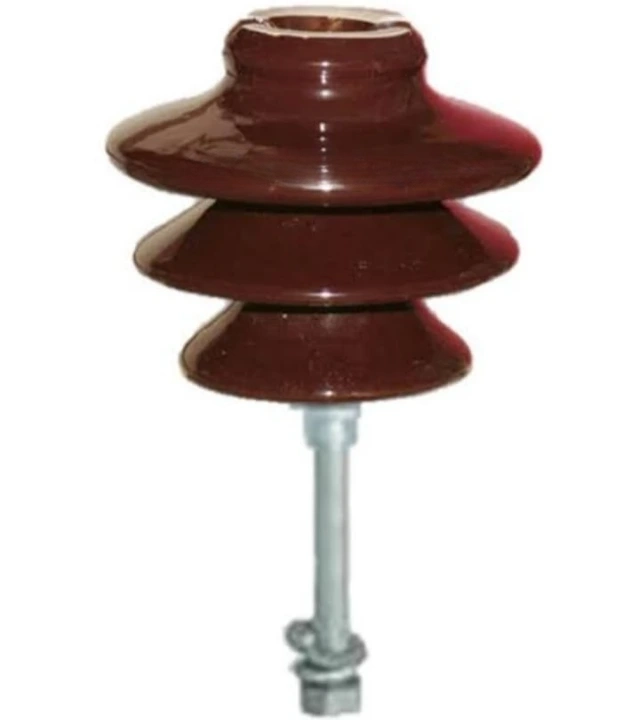
Pin-type insulators provide electrical insulation and mechanical support for conductors on low- and medium-voltage networks. They prevent current from leaking between a live conductor and the grounded support structure. The insulators secure the conductor and withstand mechanical loads like conductor weight, tension, wind, and ice. Pin-type insulators are essential for safety and preventing short circuits when connecting different power sources to a common grid. They ensure the physical stability of power lines carrying electricity from a power plant to the grid’s point of connection. Pin-type insulators connect power from generation sources to the main transmission and distribution grid. It serves as an interface point that allows electricity to flow from a facility to the wider electrical network.
Quality assurance for pin-type insulators used in thermal plants and integration infrastructure
Conducting quality assurance for pin-type insulators helps ensure electrical insulation reliability, operational safety, and long-term grid stability. Pin-type insulators serve in environments with high electrical loading, thermal cycling, pollution contamination, mechanical vibration, and moisture and chemical exposure. Quality assurance for the insulators prevents flashovers, power interruptions, equipment damage, transmission instability, and increased maintenance costs. Quality assurance ensures that insulators maintain dielectric strength, mechanical integrity, environmental resistance, and dimensional accuracy. The QA process includes raw material verification, dimensional and design inspection, mechanical strength testing, electrical performance testing, thermal performance testing, and environmental testing. High-quality pin-type insulators are essential components for secure and resilient electricity transmission and distribution networks.
Functions of pin-type insulators in thermal plants and integration infrastructure in Argentina
Pin-type insulators ensure safe electrical insulation, conductor support, and stable power transmission across medium-voltage networks. The insulators serve in thermal power evacuation systems, distribution networks, substation infrastructure, hybrid renewable-thermal integration lines, and industrial transmission systems. Here are its key roles in the infrastructure.
- Electrical insulation – the insulators prevent leakage between live conductors, steel crossarms, utility poles, and grounded substation structures. This insulation protects personnel safety, electrical equipment, and grid operational stability.
- Mechanical support – pin-type insulators maintain conductor alignment, sag control, phase spacing, and structural stability. The insulators absorb and distribute these forces while preventing conductor displacement.
- Grid integration and renewable support—the insulators support a clean energy transition by enabling reliable medium-voltage interconnection infrastructure. They maintain stale power flow between thermal generation assets, renewable generation sources, and distribution substations.
- Voltage regulation and system stability—pin-type insulators contribute to maintaining conductor separation and insulation performance. This helps reduce leakage currents, arcing risk, and voltage instability.
- Supporting distribution infrastructure expansion—Argentina is investing in transmission and distribution modernization to improve grid reliability, rural electrification, renewable integration capacity, and industrial energy access. Pin-type insulators serve in pole-mounted distribution systems, medium-voltage expansion lines, and regional substations.
Genneia’s efforts to integrate thermal power plants and reduce fossil fuel production
Genneia is pursuing a dual-transition strategy in Argentina’s energy sector to maintain selective thermoelectric generation capacity for grid reliability. This is while expanding renewable infrastructure to reduce dependence on fossil-fuel generation. These efforts are as discussed below:
- Expansion of renewable energy capacity – Genneia has major investments in wind farms, solar parks, renewable transmission infrastructure, and emerging energy storage systems.
- Integration of thermal and renewable infrastructure—the Bragado thermal plant and Cruz Alta thermal plant are being used as peaker generation assets and grid-balancing infrastructure. This allows Argentina to expand renewable generation without compromising system reliability.
- Reducing dependence on conventional fossil generation—the company has set up decarbonization efforts, including wind and solar deployment, progressive retirement of aging thermal assets, and reduced reliance on inefficient fossil-fuel generation.
- Investment in energy storage and transmission – the company is advancing projects involving BESS, transmission expansion, renewable evacuation infrastructure, and hybrid energy systems.