
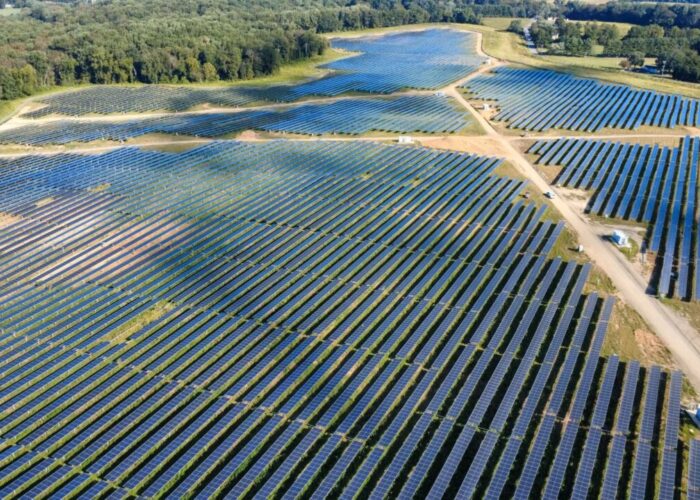
A solar facility in Chile, the 103 MW Huatacondo solar plant along with its 98 MW/312 MWh BESS, has been taken offline due to a cyberattack. Simultaneously, RNE demanded the mandatory disconnection of the 220/23 kV TR1 transformer at the Santa Rita substation, referencing a cyberattack. Chile needs to implement strategies to improve security in grid stability, battery storage, and the infrastructure for renewable energy. Solar power facilities need strong operational technology security, dependable electrical protection systems, and contingency plans that cover both digital and physical infrastructure breakdowns. A cyber assault can interrupt electricity production without harming solar panels, inverters, transformers, or battery units. Contemporary solar facilities rely on digital technologies to oversee equipment, interact with grid operators, and manage electrical safety. These systems will need the creation of SCADA systems to oversee substation connections, shackle insulators, and grounding systems.
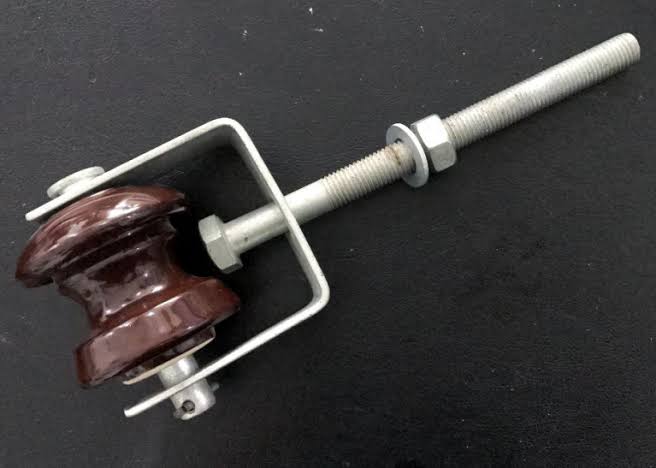
Shackle insulators provide electrical isolation and mechanical support for medium and low voltage collector lines. They ensure that the electricity generated by solar panels is transmitted from the panels to the substation. The insulators isolate conductors with current from grounded metal support structures. They also prevent current from leaking from the conductors to the ground. Shackle insulators have hydrophobic materials and UV resistance to maintain insulation performance. The insulators serve in the construction of new collector lines within solar farms. This is crucial to ensure the reliable integration of solar power generation into the grid.
Importance of quality assurance for shackle insulators in Chilean solar power infrastructure
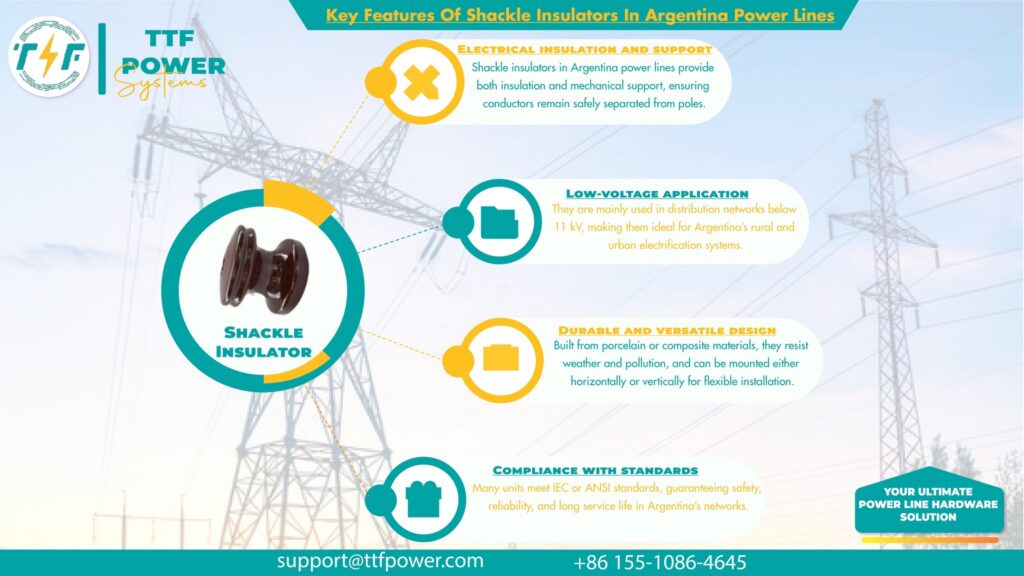
The insulators support electrical safety, mechanical survival, and Chile’s uniquely punishing environmental conditions. Shackle insulators provide electrical insulation, support overhead conductors, and maintain mechanical stability. Distribution infrastructure should withstand high solar radiation, temperature fluctuations, dust accumulation, and moisture exposure. The insulators support conductors, prevent conductors from making contact with grounded structures, and maintain conductor separation.
Quality assurance confirms that the insulators meet the electrical, mechanical, and environmental performance standards before installation in solar power infrastructure. QA helps manufacturers and utility operators verify that each insulator can withstand its intended operating conditions. The process begins with raw material selection, structural inspection, electrical performance testing, and mechanical strength testing. During manufacturing, manufacturers monitor moulding and shaping accuracy, drying conditions, firing temperature, and glazing quality. These processes help detect defects such as insulating materials, surface cracks, and contamination.
Shackle insulators in solar power plants and infrastructure in Chile
Shackle insulators support conductors and isolate them from poles and crossarms. They help maintain conductor positioning, provide electrical isolation, and support the mechanical stability of distribution lines. Here are their key roles in solar power plants in Chile.
- Providing electrical insulation: the insulators electrically isolate energized conductors from grounded supporting structures. They prevent unwanted electrical contact between conductors and supporting structures.
- Supporting overhead electrical conductors: shackle insulators provide mechanical support for overhead conductors installed on distribution poles. They help maintain the required conductor position and provide a stable mounting interface between the conductor.
- Maintaining conductor clearance and electrical safety: the insulators maintain the required separation between energized conductors and grounded structures. Correct conductor positioning reduces the possibility of accidental contact with poles, crossarms, and mounting hardware.
- Accommodating mechanical loads and conductor tension: shackle insulators transfer loads imposed by supported conductors to the mounting structures.
- Supporting reliable grid distribution connections: the insulator contribute to the reliability of suitable overhead distribution sections with solar power facilities. They reduce the risl of localized electrical faults that could affect power distribution.
Measures Chile can implement to protect solar power plants from cyberattacks
Chile must enhance cybersecurity for renewable energy infrastructure following the attack on the 103 MW Huatacondo solar facility. Contemporary installations rely on linked operational technology, SCADA systems, plant controllers, inverters, battery management systems, and remote monitoring platforms. A compromise impacting the communication systems can interfere with plant operations. Chile can mitigate these risks by enhancing regulations, improving network security, implementing continuous monitoring, planning for incident responses, and fostering cooperation between energy firms and national cybersecurity agencies. The nation can adopt protective strategies like enforcing cybersecurity protocols for the electricity sector, isolating operational technology from corporate IT networks, and setting up ongoing cybersecurity surveillance for solar power facilities. The aim is to protect essential control systems, segregate operational networks, limit remote access, and implement verified processes for secure recovery.