
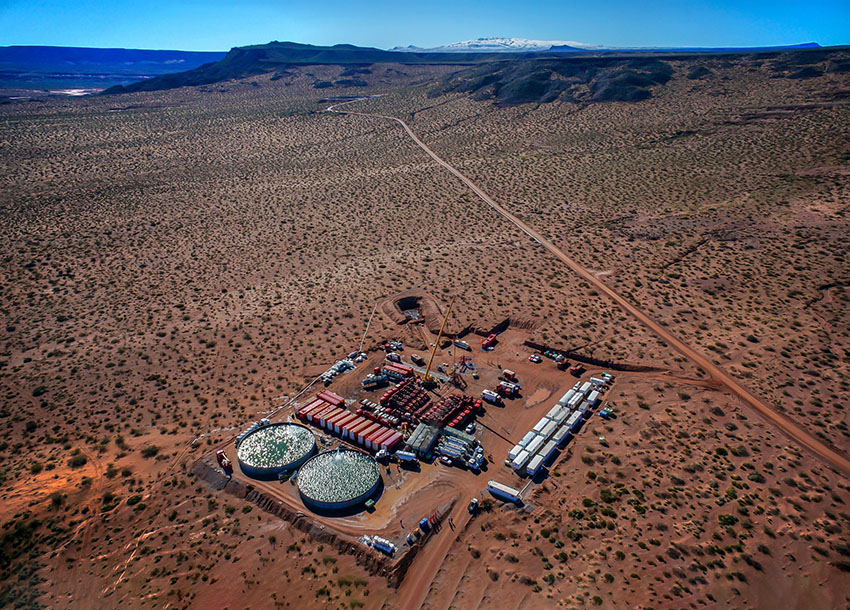
Argentina’s YPF is making progress in negotiations for liquefied natural gas (LNG) supply contracts with Europe and Asia. The proposed project has a planned production capacity of 12 million metric tons of LNG per year. It will use two floating liquefaction units to process natural gas into LNG before transporting it to international markets using specialized LNG carriers. YPF needs long-term customers that can purchase the LNG produced by the floating facilities. These agreements will establish delivery schedules, define commercial obligations, and provide greater revenue predictability. The project will receive a main gas supply source from the Vaca Muerta formation. The LNG facilities will demand reliable pipeline networks to transport large volumes of natural gas from the inland production field to the Atlantic ocean. It will also need the use of electrical infrastructure to operate machinery. This pipeline and floating facilities will need electrical infrastructure hardware like ground rod clamps.
Ground rod clamps bond a grounding conductor to a ground rod to a grounding electrode. The clamp ties lightning-down conductors and static bonding cables to the grounding electrodes. The mast structures, vent masts, and crane pedestals need a low-impedance path to the hull so a strike dissipates without arcing across flammable zones. The clamps must hold that connection against vibration and salt spray for the life of the vessel. They also provide the mechanical and electrical joint between the anode circuit and the hull. Ground rod clamps tie the isolated section to a ground rod through that protective device, which passes fault current and lightning surges. They bond their grounding conductors to ground rods driven near the site.
Quality assurance for ground rod clamps used in FLNG vessels and pipeline infrastructure
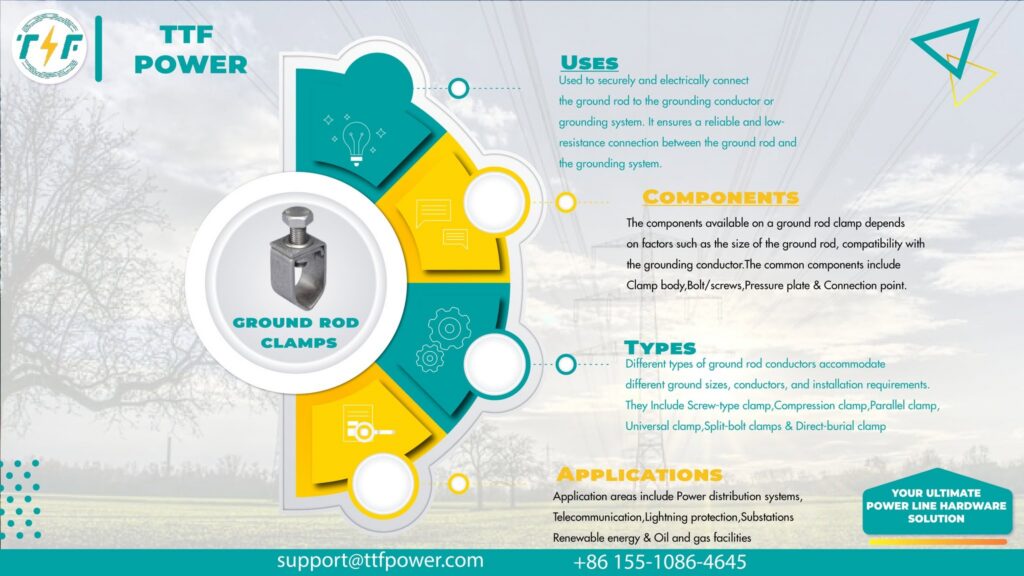
Argentina’s proposed LNG project will need reliable electrical grounding systems across its floating liquefaction facilities, gas pipelines, and industrial installations. Ground rod clamps connect grounding conductors to earth electrodes. Their quality affects the electrical continuity and mechanical reliability of the connections. Offshore facilities and pipeline infrastructure face salt spray, humidity, vibration, temperature changes, corrosion, and mechanical stress. Quality assurance for ground rod clamps verifies that each clamp meets its specified electrical, mechanical, dimensional, and corrosion resistance before installation. It helps prevent loose connections, excessive electrical resistance, premature corrosion, and grounding-system failures. The specific clamp type depends on the grounding conductor size, electrode diameter, conductor material, fault-current requirements, and environmental conditions. The process covers material inspection, dimensional inspection, electrical conductivity and contact resistance testing, and mechanical strength verification. Ground rod clamp manufacturers should use applicable international standards to establish product qualification and inspection requirements.
Importance of ground rod clamps in FLNG and pipeline infrastructure in Argentina
The YPF in partnerships with Eni and XRG depends on extensive industrial infrastructure to transport natural gas from Vaca Muerta toward the Atlantic coast for liquefaction and export. Ground rod clamps connect grounding conductors to earth electrodes. Their roles in the infrastructure include:
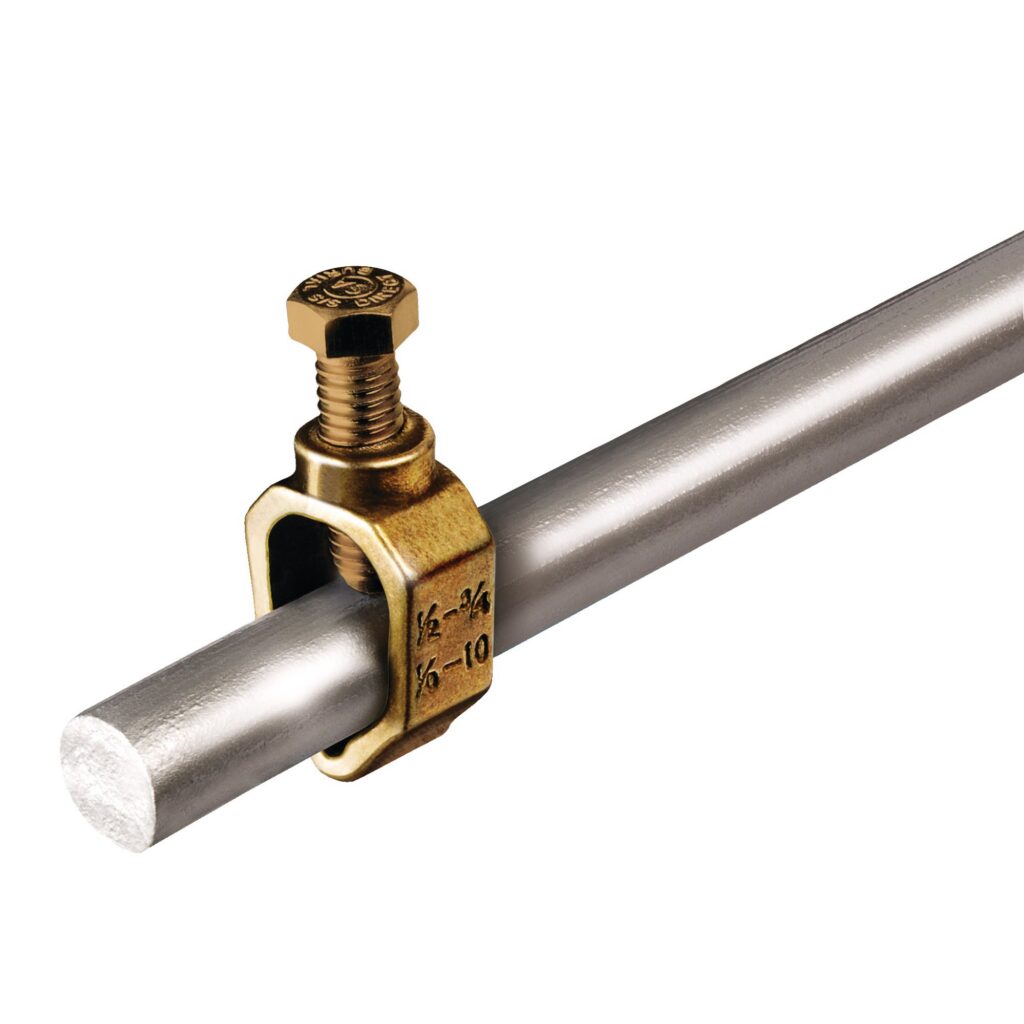
- Connecting grounding conductors to earth electrodes: ground rod clamps establish a secure electrical and mechanical connection between grounding wires. The grounding system provides a controlled path for unwanted electrical current.
- Supporting electrical safety in FLNG vessels: the electrical systems operate compressors, pumps, refrigeration equipment, and control systems. Ground rod clamps support the designated grounding and bonding arrangements where the vessel uses earth electrodes.
- Providing grounding connections at pipeline compressor stations: compressor stations will help maintain the pressure needed to move natural gas through the transportation network. Ground rod clamps support the grounding systems installed at these locations.
- Providing grounding connections along pipeline transportation infrastructure: ground rod clamps can connect grounding conductors to earth electrodes at designated locations.
Argentina’s LNG project is changing the country’s energy balance.
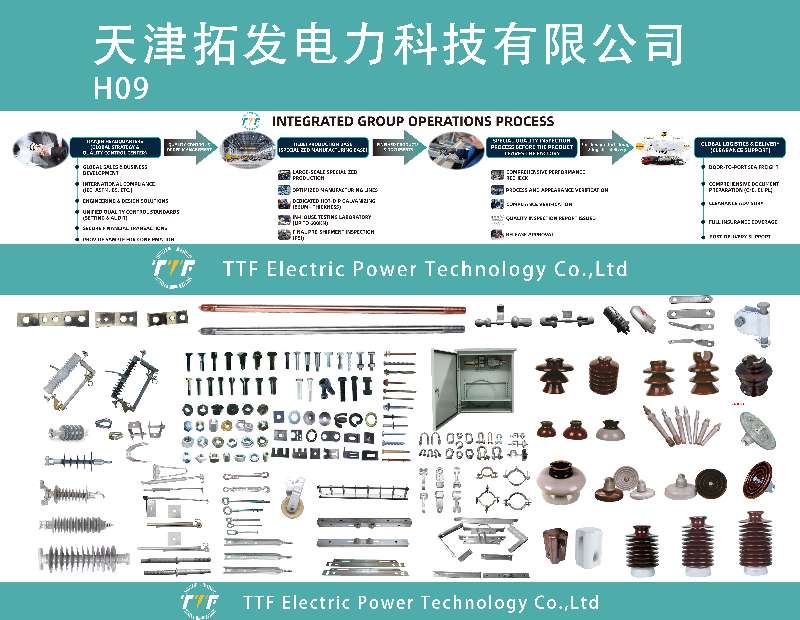
The LNG project could shift the country from a net importer of energy during periods of domestic supply shortages to major exporters of natural gas and LNG. It would increase export revenue, reduce the need for imported gas and fuels, and improve the supply of foreign currency. For this change to happen, Argentina would need to finance and build the pipelines, gas-processing facilities, and floating LNG infrastructure. The LNG project could reduce the need for imported gas by expanding domestic production and improving the infrastructure that moves gas from the Neuquén basin to processing and export facilities. The project could also allow Argentina to export gas throughout the year rather than relying on regional pipeline markets and seasonal opportunities.