
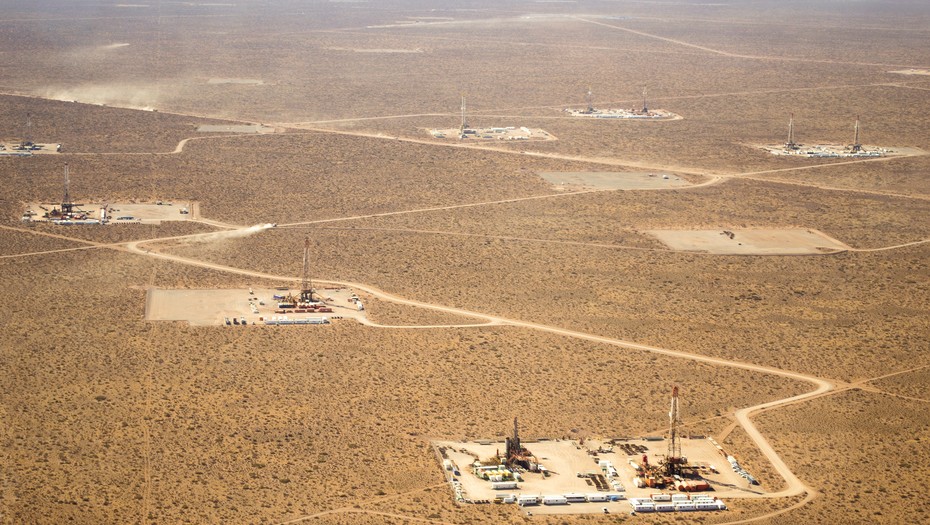
Argentina’s Vaca Muerta shale formation represents one of the most significant energy shifts. It is reshaping Argentina as a regional gas supplier with export ambitions anchored in unconventional hydrocarbon production. This combination has enabled Argentina to reduce reliance on imported liquefied natural gas during peak demand cycles. Vaca Muerta has led to developments such as expansion of shale gas outputs, replacement of LNG imports with local production, and increased pipeline use. The infrastructure and interconnections used rely on earth anchors to stabilize physical systems that enable drilling, production, and transport.
Grounding systems secure onshore infrastructure like pipelines and processing plants and anchoring offshore export terminals. In onshore terminals, ground anchors stabilize and secure ground-level industrial structures like pipe racks, compression stations, storage tanks, and flare stacks. In offshore terminals, they anchor floating platforms to the seabed such as monobouys, underwater pipelines, and single-mooring systems. The development of Vaca Muerta needs extensive surface infrastructure including pipelines, processing plants, and storage facilities.
Vaca Muerta’s impacts on Argentina’s energy sector
Argentina’s Vaca Muerta has shifted energy from a chronic fiscal liability into a potential export engine. It has led to economic effects including reduction in energy import bills, improved trade balance through rising hydrocarbon exports, foreign investment inflows into upstream shale development, and job creation in drilling, services, and logistics sectors. Argentina’s objective is to convert surplus gas into exportable LNG. This will require large-scale liquefaction infrastructure, stable long-term regulatory frameworks, integration with global LNG markets, and partnerships with international energy operators.
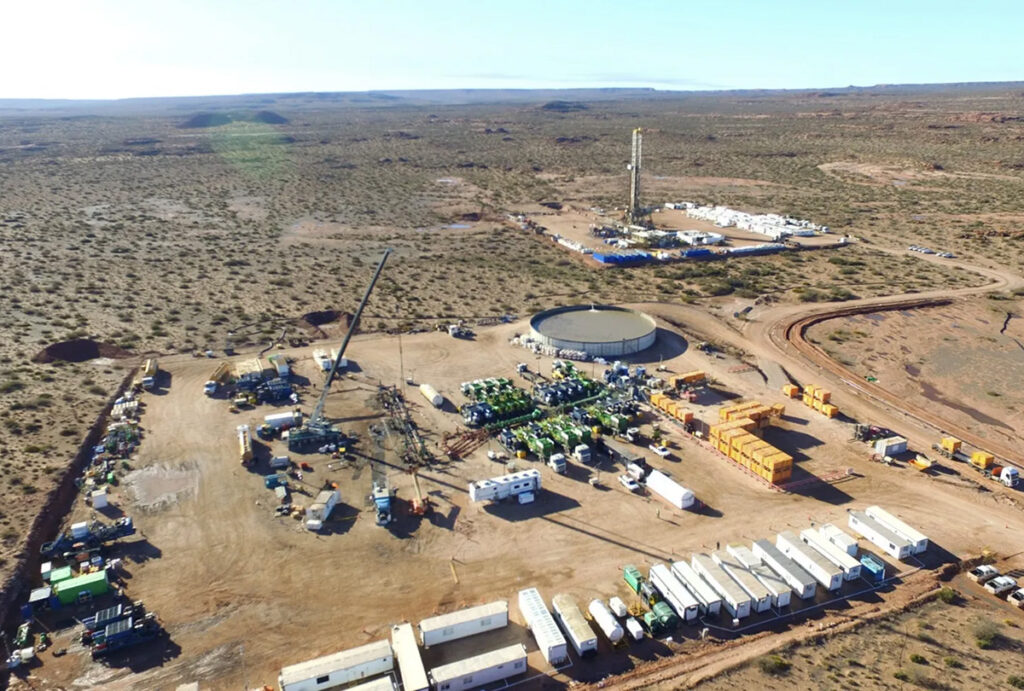
However, these developments will lead to the increased demand for earth anchors to stabilize pipe racks, support structures for storage tanks, cable trays, and foundations for pumps and compressors. The anchors are also essential for tall, heavy structures like fractionation columns and flare stacks. Earth anchors provide tensile and lateral resistance to help prevent structures from shifting when used in soft and loose soils. They also secure slopes and structures build on leveled pads to prevent sliding.
Functions of earth anchors in Vaca Muerta’s shale formation infrastructure
Earth anchors in shale developments transfer loads from surface infrastructure into deeper and more stable soil strata. They enable components that keep high-load energy systems under dynamic operational conditions. Here are their key functions in the infrastructure.
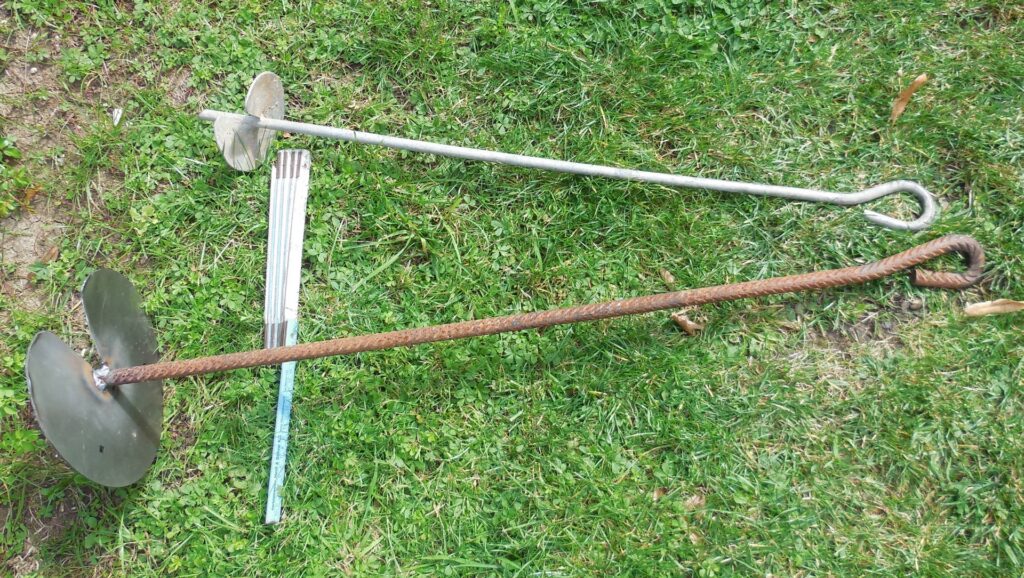
- Structural load transfer and stabilization – in Vaca Muerta’s sedimentary soils, earth anchors resist uplift, overturning, and lateral movement. They transfer tensile and shear loads from surface equipment into subsurface soils and provide resistance against wind loads.
- Anchorage for drilling and wellsite systems – shale-drilling operations depend on heavy, mobile, and vibration-intensive equipment. Earth anchors secure drilling rig masts and substructures, mud circulation and separation systems, and temporary well pad infrastructure.
- Pipeline restraint and axial force management – earth anchors in shale operations control pipeline movement. They resist axial thrust in high-pressure gas pipelines, control thermal expansion and contraction forces, and prevent pipeline creep into soft soils.
- Temporary and modular infrastructure fixing – shale development require frequent installation, relocation, and expansion. Ground anchors provide fastening for portable power generation units, mobile workshops, and securing perimeter control systems.
Quality assurance for earth anchors used in Vaca Muerta shale formation infrastructure
Quality assurance for earth anchors in shale development consists of material verification, manufacturing controls, mechanical testing, and field validation. QA is crucial since the anchors serve in drilling pads, pipelines, and modular facilities. The process includes material verification, dimensional and manufacturing tolerances, corrosion protection testing, mechanical load testing, and joint integrity inspection. A properly assured anchor has documentation such as compliance with API, ASTM, or ISO structural steel standards. It also includes load rating certificates, manufacturer QA/QC inspection reports, and traceability logs linking design specs to production batch. Quality assurance should ensure consistent load-bearing performance under dynamic, high vibration, and geotechnical variable conditions for shale oil and gas operations.
Materials used for earth anchors used in Vaca Muerta’s shale formation infrastructure
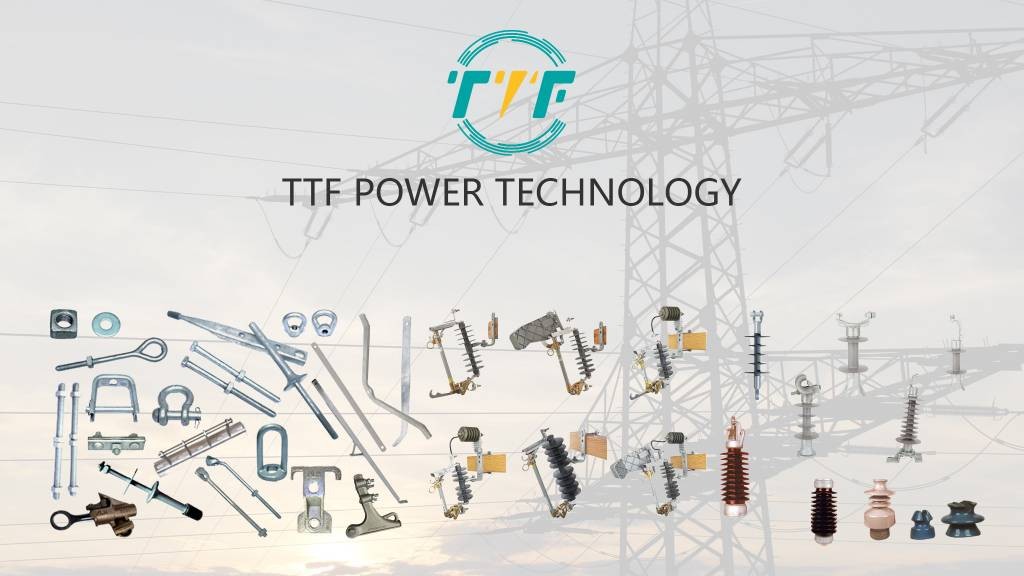
Selecting earth anchors for use in Vaca Muerta shale formation should focus on tensile strength, corrosion resistance, fatigue performance, and soil interaction behavior. The materials selected depend on whether the anchor is designed for drilling pads, pipelines, compression stations or temporary modular infrastructure. Earth anchors are from materials such as high-strength carbon steel, alloys steels, galvanized steel, stainless steel, forged steel components, coated and composite-protected steel systems, and concrete-embedded steel systems. For Vaca Muerta, material selection depends on soil variability, high dynamic loading, corrosion exposure, and modularity requirements.