
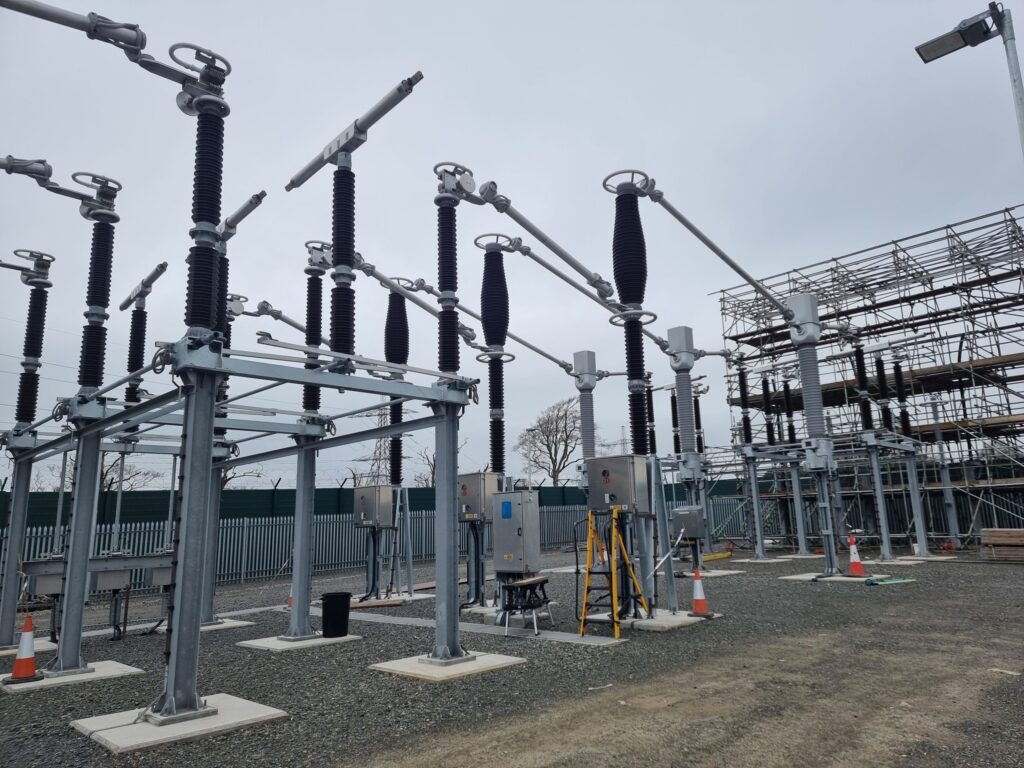
Argentina’s pipeline of energy storage systems is expanding through the development of several new routes. The current pipeline vectors distribution-grid support, renewable hybridization, and thermoelectric flexibility. The first major development occurred when authorities awarded a 713 MW storage project in Buenos Aires province focused on peak shaving and urban grid stabilization. These projects reduce stress on transmission infrastructure, defer expensive grid expansion investments, and improve voltage stability and frequency response in densely populated regions. Additionally, the ongoing AlmaSADI auction represents the second major institutional mechanism supporting storage deployment. It includes another 700MW that suggests Argentina is moving toward a recurring procurement framework rather than one-off traders. These developments scale beyond the current project pipeline into multi-gigawatt deployment territory over the next years. Using distribution arresters protects sensitive and high-value equipment from transient overvoltages caused by lightning strikes and switching operations.
Battery energy storage systems shield two distinct sides of the system, unlike traditional grid protection. This includes the AC side connected to the grid and the DC side connected to the battery racks. Distribution arresters ensure operational reliability by clamping dangerous voltage spikes to safe levels. When a surge occurs, arresters switch from an inactive state to a low-impedance path. This channels the excess energy to the ground before it can damage insulation. BESS relies on inverters and converters that are sensitive to voltage fluctuations. Arresters limit transient spikes during grid switching and prevent unexpected downtime. Proper voltage protection prevents electrical arcing that poses a risk of fire.
Quality assurance for distribution arresters in BESS infrastructure
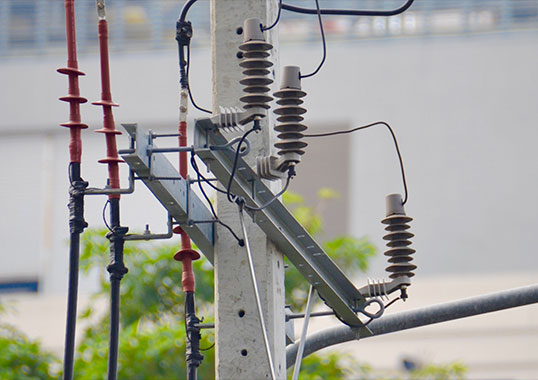
Conducting quality assurance for distribution arresters in BESS infrastructure helps maintain grid reliability. QA helps protect expensive battery assets and reduces operational downtime. Distribution arresters manage transient overvoltages caused by lightning strikes, switching operations, inverter harmonics, and grid disturbances. The arresters must comply with international surge protection and grid interconnection standards such as IEC series. These standards define testing procedures, insulation coordination, electrical performance, thermal stability, and operational reliability needs. Properly tested and certified distribution arresters protect the infrastructure by diverting excess transient energy safely to the ground. High-quality arresters improve system resilience and reduce unplanned outages. Distribution arresters undergo tests such as type testing, routine testing, acceptance testing, and material quality assurance.
The functions of distribution arresters in BESS infrastructure in Argentina
Distribution arresters protect electrical equipment against transient overvoltages, lightning strikes, switching surges, and insulation stress. They protect BESS facilities for grid stabilization, energy balancing, and transmission reliability. Distribution arresters help maintain operational continuity and protect sensitive electrical assets. Here are the functions of distribution arresters in BESS infrastructure.
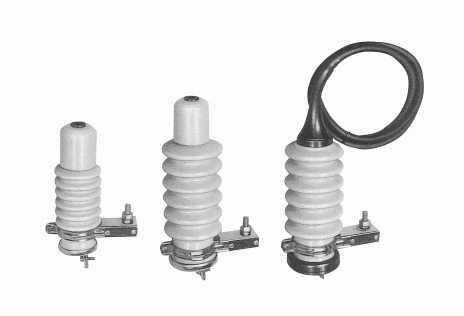
- Protection against lightning surges—surge arresters in BESS infrastructure protect against lightning-induced overvoltages. The arresters divert these high-energy surges to the ground before they reach sensitive equipment. They protect battery containers, inverters, transformers, switchgear, monitoring systems, and SCADA infrastructure.
- Protection against switching surges: BESS facilities perform switching operations during charging cycles and discharging cycles. Distribution arresters suppress surges by limiting voltage peaks to safe operating levels. This is crucial where intermittent solar and wind generation causes frequent switching and dynamic grid responses.
- Insulation coordination support—the arresters help maintain proper insulation coordination within BESS infrastructure. The arresters ensure that transient voltages remain below the insulation limits of power conversion systems, transformers, and circuit breakers.
- Protection of battery energy storage components—distribution arresters protect DC-AC inverters, converter stations, battery racks, and energy management systems.
BESS technologies within Argentina’s energy industry
Argentina is implementing storage solutions to tackle renewable energy intermittency, transmission congestion, peak-demand fluctuations, and grid reliability issues. The rise of AlmaGBA and AlmaSADI indicates that Argentina is moving from pilot storage implementation to large-scale integration throughout the grid. These consist of:
- Lithium-ion BESS—these solutions offer excellent round-trip efficiency, quick response times, a small physical size, and established commercial accessibility.
- Independent utility-scale BESS—these initiatives are perfect for transmission assistance, congestion control, and grid stabilization. The AlmaSADI auction focuses on independent BESS projects between 10MW and 150MW, with a minimum duration need of four hours.
- Hybrid renewable-plus-storage systems—storage is combined with wind farms, solar parks, and individual renewable agreements in the Mater market. Hybrid BESS technologies assist in mitigating the variability of renewables, relocating energy to peak demand times, and minimizing curtailment.
- Modular containerized BESS—these systems combine batteries, thermal management, fire suppression, inverters, and EMS platforms inside portable enclosures. The systems are beneficial in distant wind corridors, solar energy installations, and industrial power initiatives.