
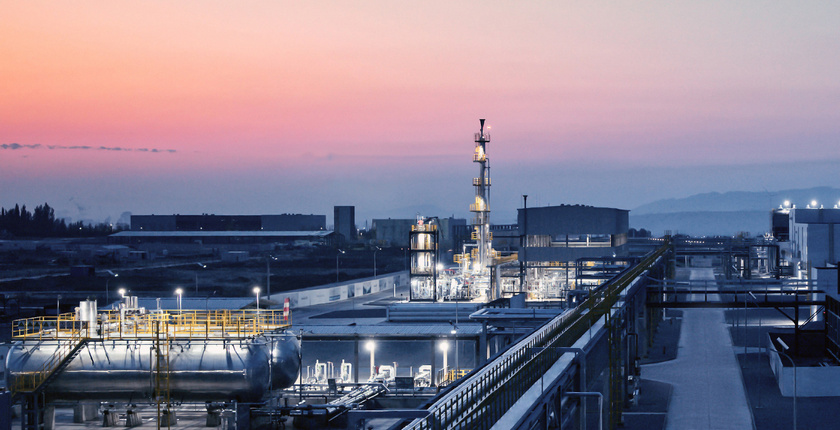
Chile has landed a major green hydrogen and green ammonia project, with a total investment exceeding $2.8 billion. The large-scale green hydrogen and green ammonia projects mark a substantive breakthrough in the commercialization of Chile’s domestic green hydrogen industry. The MAE’s Volta green hydrogen and green ammonia project is Chile’s first industrial-scale green hydrogen fuel project to pass environmental assessment approval. This project will include the construction of a 600 MW PV power station and 4 dedicated energy storage tanks. It will leverage high-quality green electricity resources to achieve clean hydrogen and ammonia production throughout the entire process. The infrastructure for this construction will depend on the use of helical lead anchors.
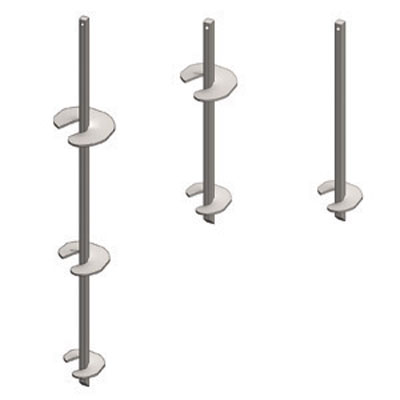
The screw piles are steel foundational systems installed by rotating them into the ground. The lead is the first section that goes into the ground and contains one or more helical bearing plates. Helical piles transfer heavy structural loads from equipment down into the load-bearing layers of soil. This helps support heavy and vibration-sensitive equipment in green hydrogen infrastructure. Helical lead anchors serve in industrial facilities, energy and power generation, pipeline support, and large tower-type equipment. The anchors offer high load capacity, fast installation, and lower environmental impact. These factors make it a crucial foundation solution for green hydrogen and ammonia infrastructure.
Quality assurance for helical lead anchors used in Chile’s green hydrogen and green ammonia project
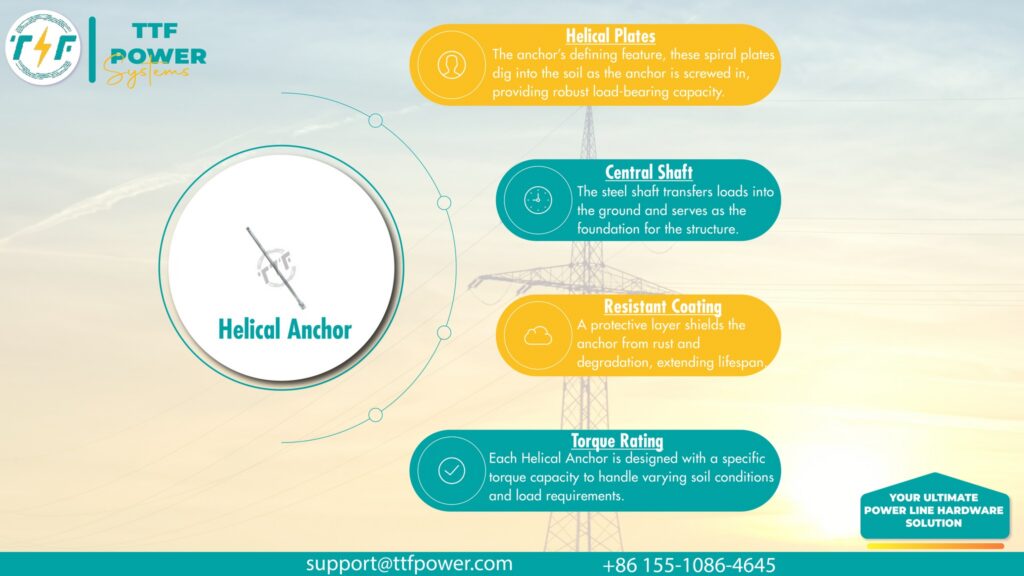
Helical lead anchors support solar farms, wind power installations, hydrogen production plants, ammonia storage facilities, cable management systems, and pipeline infrastructure. Quality assurance begins with the selection and inspection of raw materials to check steel grade compliance, chemical composition, mechanical properties, and traceability of each production batch. The process also includes dimensional and manufacturing inspections, weld quality testing, corrosion protection verification, mechanical load testing, and installation quality control. Quality assurance for the anchors ensures long-term stability, corrosion resistance, and structural reliability of renewable energy. They also ensure reliability of hydrogen production and ammonia export infrastructure.
The roles of helical lead anchors in green hydrogen and green ammonia infrastructure
Green hydrogen production relies on large-scale hydrogen production plants, renewable energy facilities, transmission networks, storage terminals, and export infrastructure. Helical lead anchors ensure structural stability and long-term reliability of the green hydrogen and ammonia projects. Here are their roles in the infrastructure.
- Foundation support for solar power facilities – helical lead anchors serve in PV panel mounting systems, solar tracker structures, inverter stations, and meteorological monitoring equipment.
- Wind energy infrastructure stabilization—helical piles support wind turbine guyed structures, temporary construction towers, and cable support systems. They offer pullout resistance that helps structures withstand strong wind loads.
- Hydrogen production plant foundations—the anchors support electrolyzer skids, water treatment units, power conversion equipment, and processing facilities. They contribute to equipment stability and operational safety.
- Transmission and distribution networks – screw piles serve in transmission tower guying systems, utility pole stabilization, cable support structures, and grounding system installations.
- Ammonia storage tank infrastructure—the anchors support secondary containment structures, pipe racks, and instrumentation towers.
Infrastructure development supporting green hydrogen and ammonia facilities in Chile
Chile needs large-scale infrastructure investments to support hydrogen production, ammonia synthesis, storage, transportation, and export operations. The development of integrated energy, industrial, and logistics infrastructure will determine the success of the green hydrogen sector. This advancement needs developments such as the following:
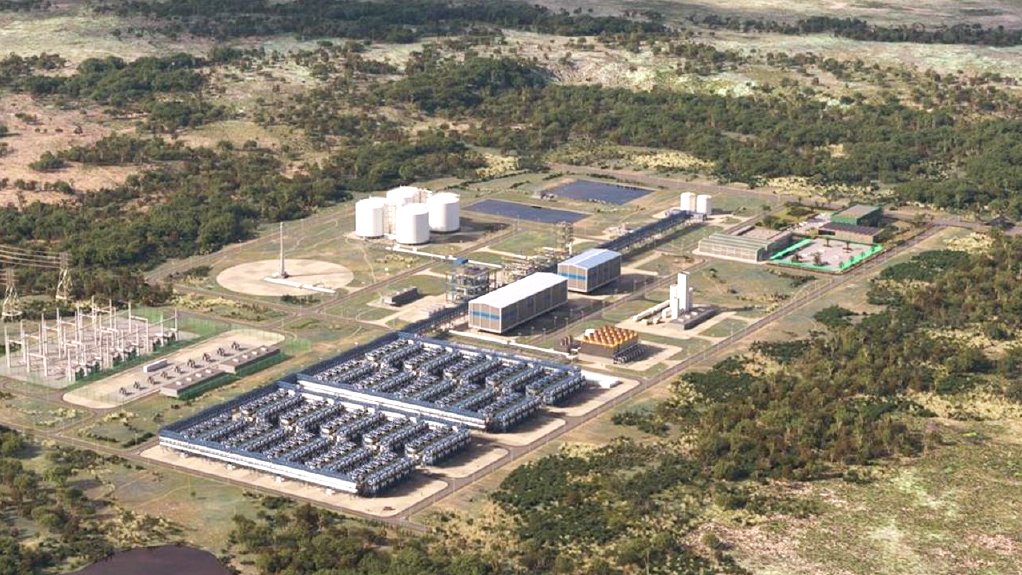
- Renewable energy generation infrastructure—green hydrogen production depends on large quantities of renewable electricity. Key developments include utility-scale solar PV plants, onshore and offshore wind farms, BESS, and renewable energy control centers.
- High-capacity transmission networks—Chile needs new high-voltage transmission lines, grid expansion and reinforcement, smart grid technologies, and grid stability and balancing systems supported by helical lead anchors.
- Electrolysis and hydrogen production facilities – hydrogen facilities need electrolyzer installations, power conversion equipment, rectifier systems, and hydrogen purification units.
- Green ammonia production plants—converting hydrogen into ammonia relies on ammonia synthesis units, nitrogen separation facilities, process compressors, and refrigeration systems.
Materials for helical lead anchors
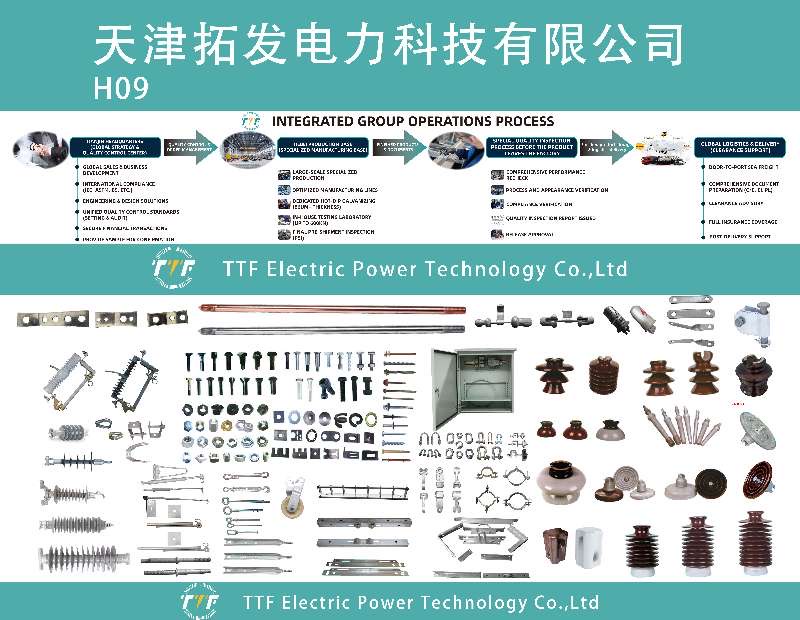
Helical lead anchors transfer tensile, compressive, and lateral loads into the ground. Their performance, durability, and service life depend on the materials used during manufacture. When selecting the materials for the anchors, it is crucial to consider load requirements, soil conditions, corrosion exposure, and design life. Common materials include carbon steel, high-strength low-alloy steel, hot-dip galvanized steel, stainless steel, alloy steel, and ductile iron components. These materials also integrate protective coatings such as zinc, epoxy, and polymer systems to provide reliable performance in demanding infrastructure applications.