
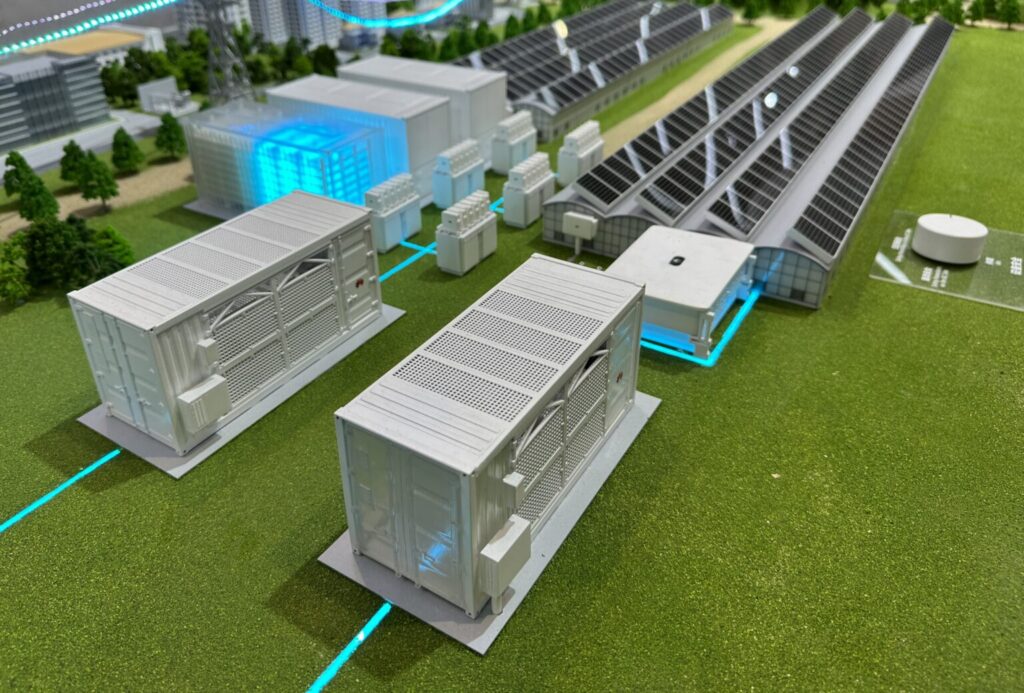
Acciona Energy revealed intentions to construct a 196 MW/980 MWh battery energy storage facility at its 246 MWp El Romero solar power station in Chile. The system will enhance renewable energy management, adjust solar generation, boost grid stability, and reinforce security of supply in the local electricity network. The BESS will additionally connect with the solar generation, transmission, control, and energy management systems. This will be essential for developing a highly adaptable renewable energy resource. The integration process includes gathering surplus solar energy from the PV arrays, transforming generated DC power into grid-compatible AC power, charging battery units, and retaining energy. This integration will decrease interconnection costs, speed up project development, and reduce environmental impact. Acciona energy will enhance the current solar facility while minimizing extra construction demands. These connections use the B strand ground clamps to combine mechanical support structures with the grounding system.
B strand ground clamps attach the steel messenger wires to the primary earth grid to guarantee safety and operational reliability. The clamp establishes a low-resistance route to the ground for the messenger strand. This stops the steel wire from transmitting fault currents to avert electrochemical corrosion of the strand. Ground clamps direct the generated high voltage current from the wire into the grounding system. They assist in avoiding harm to inverters, battery racks, and control panels. Messenger wires hold and support communication cables for fiber optics in SCADA systems. The clamp secures the wires to the poles, keeping them taut and preventing drooping.
Quality control for B strand grounding clamps utilized in BESS and solar integration initiatives in Chile
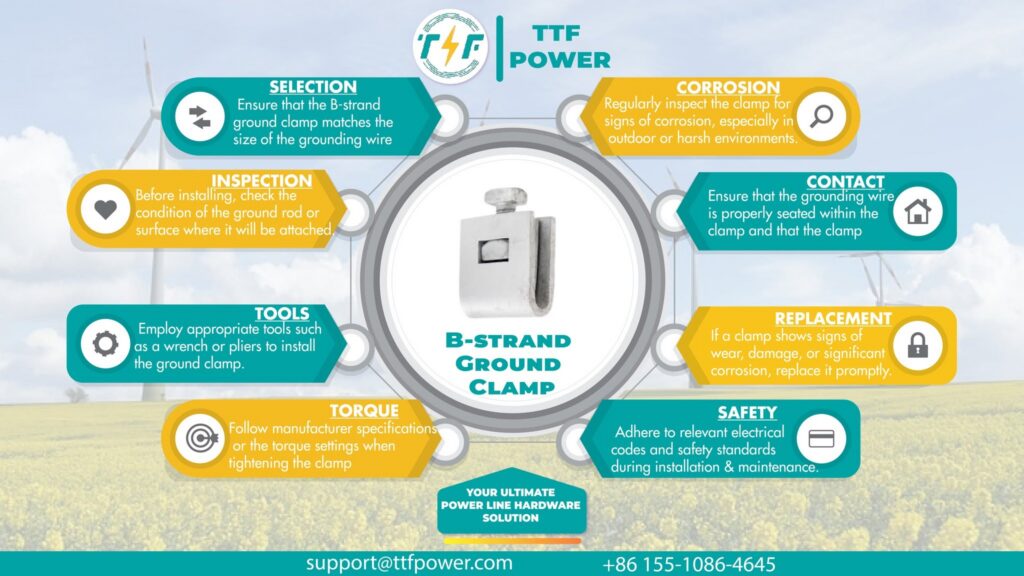
Grounding infrastructure is essential for the reliability of the grid and the operational safety of utility-scale solar farms and battery energy storage systems (BESS). B strand ground clamps connect messenger strands, shield wires, ground conductors, and metal structures to the grounding system. The effectiveness of ground clamps impacts fault dissipation, lightning protection, personnel safety, and the safeguarding of equipment in renewable energy installations. QA stops B strand ground clamp malfunction that can raise grounding resistance and endanger fault current routes. Failures can pose safety risks for substations, inverter stations, battery enclosures, and transmission connections. The QA procedure involves verifying raw materials, conducting manufacturing inspections, and testing mechanical and electrical performance. Quality assurance improves grid dependability, safeguards renewable energy resources, and aids Chile’s shift to a low-carbon energy system.
Roles of the B strand ground clamps in solar-plus-storage initiatives
B strand ground clamps establish a reliable, low-resistance electrical link between messenger strands and grounding anchors. They assist in upholding system safety, dependability, and adherence to grid standards. These are their roles within the BESS and solar PV integration framework in Chile.
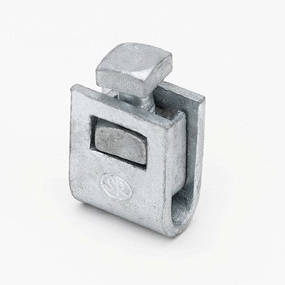
- Grounding of metallic structures – the ground clamps bond metallic messenger strands and support structures to the grounding network. This ensures that the exposed conductive components remain at earth potential.
- Lighting protection – B strand ground clamps help connect shield wires, messenger strands, and grounding conductors into a unified protection system. This enables safe discharge of lightning energy into the earth.
- Fault current dissipation – strand clamps provide the electrical path needed to transfer the currents to ground. This allows protection systems to detect and isolate faults before equipment damage occurs.
- Protection of BESS equipment – BESS contain power electronics, battery management systems, transformers, and control equipment. Grounding clamps protect these assets from ground faults, transient overvoltages, and switching surges.
BESS initiative backing Chile’s renewable development and grid stability
Acciona’s Energy proposed BESS system at the El Romero solar facility marks an important advancement in Chile’s shift towards a more sustainable electricity grid. Extensive battery storage is vital for ensuring grid stability and enhancing the value of solar power generation. Here are its functions in renewable expansion and grid dependability in Chile.
- Minimizing renewable energy cutbacks – the El Romero BESS will capture surplus solar energy, lessen the curtailment of solar power generation, and enhance the usage of renewable energy resources.
- Facilitating greater incorporation of renewable energy – the BESS will assist in absorbing surplus renewable energy, discharge stored energy when renewable generation falls, and aid in the integration of renewable initiatives.
- Enhancing grid dependability – the battery system reacts to shifting conditions to maintain frequency, assist voltage control, and cut power variations.
- Enhancing transmission network efficiency – the BESS will assist in alleviating issues associated with congestion. This is accomplished by storing electricity, alleviating stress on transmission lines, and enhancing the use of current grid infrastructure.