
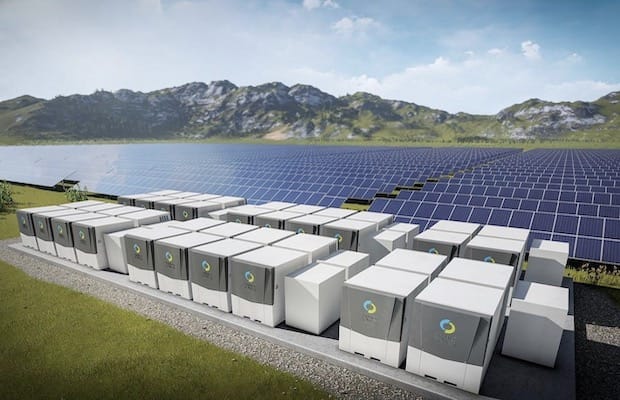
Venezuela has great potential for solar PV energy due to its favorable geographical location. This provides the country with high solar irradiance levels suitable for solar energy production. Solar PV systems are intermittent, which makes energy storage essential for grid stability and reliability. Battery energy storage systems can integrate with solar PV into Venezuela’s energy matrix. This is crucial to help reduce the frequent blackouts caused by an unstable grid and lack of maintenance. The development of off-grid and hybrid solar systems demands the use of storage systems to ensure reliability and stability. Continued development of these projects is crucial to improve energy reliability and reduce dependence on fossil fuels. There are international partnerships through collaborations with China, Russia, or international organizations for funding and technology transfer. Combining solar PV and BESS with existing diesel generators to improve reliability. Parallel groove clamps ensure safe, durable, and efficient electrical connections.
Parallel groove clamps are mechanical connectors designed to join conductors, provide low resistance, and provide high conductivity connections for power distribution. They are crucial components in electrical hardware used in solar PV and battery energy storage system installations. They are crucial in Venezuela, where there is grid instability, high temperatures, and economic constraints that affect energy infrastructure. The clamps function in PV array wiring, battery interconnections, AC/DC distribution panels, and grounding systems. Parallel groove clamps ensure low-contact resistance to reduce energy losses in solar and BESS systems. They prevent loosening and improve system longevity. Parallel groove clamps are made from aluminum or tin-plated copper that provides corrosion resistance. They allow disassembly and retightening, which is useful with limited technical expertise.
Integrating BESS and solar PVs with parallel groove clamps in Venezuela
Solar PV systems and battery energy storage systems stabilize the aging energy grid in Venezuela. Using parallel groove clamps helps ensure reliable electrical connections crucial for system performance and safety. A parallel groove clamp is a mechanical connector used to join two parallel conductors without cutting or disturbing the line. It ensures mechanically strong and electrically conductive joints. The connectors ensure safe, flexible, and efficient interconnections between solar panels. Here are the roles of parallel groove clamps in BESS and solar PV systems.
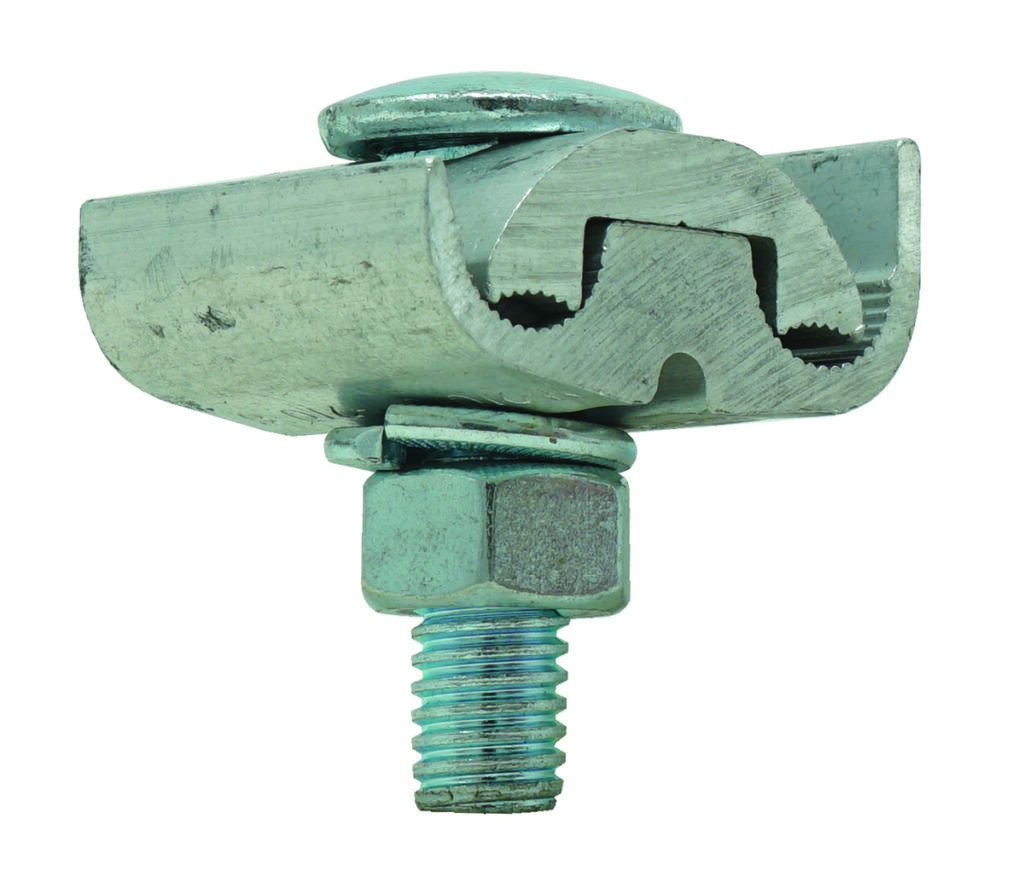
- Efficient interconnection of conductors—PG clamps are crucial for joining solar strings, BESS outputs, and grid tie-ins efficiently. They function in connecting aluminum conductors in PV combiner boxes, splicing low- or medium-voltage lines, and temporary and permanent joints.
- Mechanical strength and vibration resistance—parallel groove clamps provide the mechanical grip needed to withstand movement and vibration. They help reduce conductor fatigue and breakage and ensure stability in solar trackers and BESS containers.
- Voltage drops and loss minimization—the clamps are able to maintain consistent, low-resistance contact over time. Improper connections can cause resistance heating, voltage drops, and power loss.
- Safe grid interconnection—parallel groove clamps support tap-off connections between the solar and BESS output and the main grid. This is crucial for hybrid systems in Venezuela to stabilize remote or unreliable power zones.
Challenges facing the integration of BESS and solar PV in Venezuela
The country has vast solar potential, receiving over 2,000 kWh/m annually in many regions. The integration of BESS and solar PV installations presents a strategic opportunity to stabilize its fragile energy sector. However, translating this into reality faces a combination of technical, economic, regulatory, and institutional barriers. These challenges include:
- Aging and unreliable grid infrastructure—frequent blackouts and line failures make integrating advanced technologies highly complex. It faces challenges such as outdated transmission and distribution lines, voltage instability, line losses, and unbalanced loads.
- Economic crisis and lack of financing—the country faces a prolonged economic downturn, hyperinflation, and limited access to international credit markets. Limitations include high upfront capital costs, difficulty securing foreign currency for importing storage technologies, and limited access to international grants.
- Lack of clear energy policies—Venezuela lacks renewable energy policies that support private sector participation. Policy gaps include no legal frameworks, the absence of clear rules on energy storage, and no national targets for solar or BESS deployment.
- Battery lifecycle management and waste disposal—there is a growing challenge of managing battery end-of-life processes. The key concerns include no national frameworks for battery recycling, risk of environmental pollution, and lack of public awareness.