
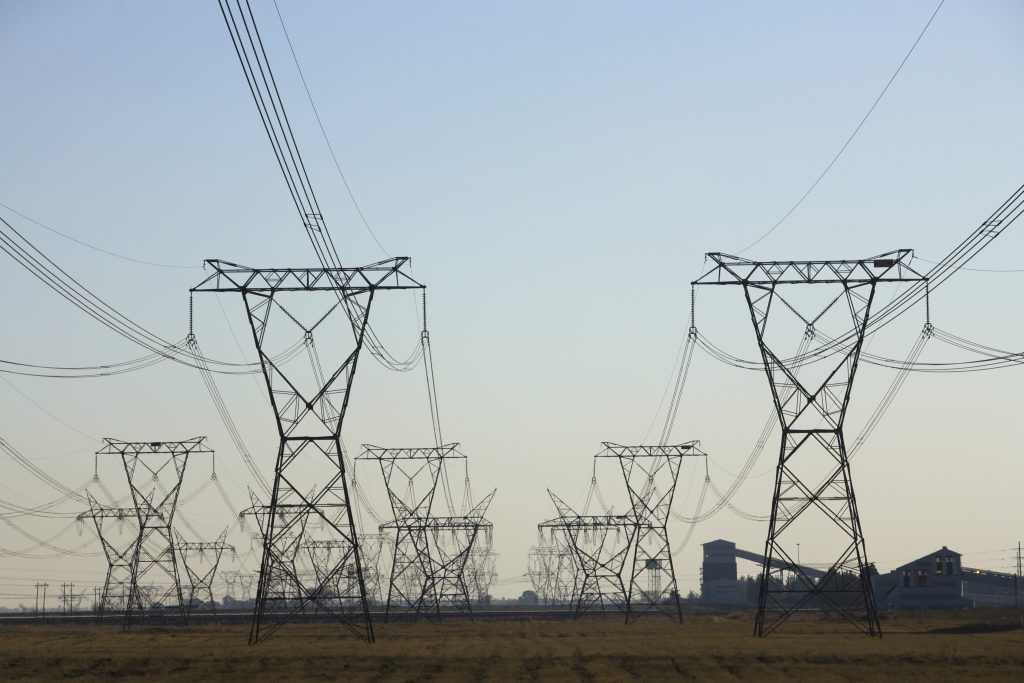
Venezuela and Brazil both have significant energy resources in oil reserves, hydropower, solar, wind, and biofuels. Recently, Brazil resumed imports of electricians from Venezuela to supply the northern state of Roraima after six years. This measure was to reduce costs and diversify energy supplies for consumers. Currently, there is no major electricity grid interconnection or established long-term energy sharing agreement between Venezuela and Brazil. However, a key energy-sharing link was the 230 kV transmission line from Venezuela’s Guri Dam to Brazil’s Roraima state. Energy sharing between the countries could help decarbonize and stabilize their energy systems. For instance, Brazil could invest in solar or wind projects in the Venezuelan Guayana region. The joint development of BESS and microgrids could stabilize border energy supply. Rebuilding and modernizing the Guri-Boa Vista interconnection could supply cheaper, cleaner energy to Roraima. Using plate anchor rods in the infrastructure enables energy sharing.
The anchor rods function in transmission line towers that support high-voltage power lines. They ensure the stability and structural integrity of the towers in challenging terrains. Transmission towers need strong foundations to withstand heavy loads, wind forces, and environmental stresses. Plate anchor rods are embedded in concrete foundations and connected to the tower legs to prevent uplift or overturning. Their baseplate distributes the forces into the foundation and prevents the tower from being pulled out of the ground. This is crucial, as high-voltage transmission lines exert significant tensile forces due to conductor weight and wind loads. Properly designed anchor rods enhance the earthquake and storm resistance of transmission towers.
Plate anchor rods in cross-border energy infrastructure between Venezuela and Brazil
The anchor rods support energy sharing between Venezuela and Brazil in high-voltage transmission systems. Plate anchor rods are steel rods connected to a steel baseplate and embedded deep into the ground. It provides foundational stability for transmission towers, utility poles, and substations. Plate anchor rods anchor guy wires and ensure structural integrity in soft or unstable soil conditions. Using the anchor rod will help create a smooth interconnection between Brazil and Venezuela. Its roles in the infrastructure include”
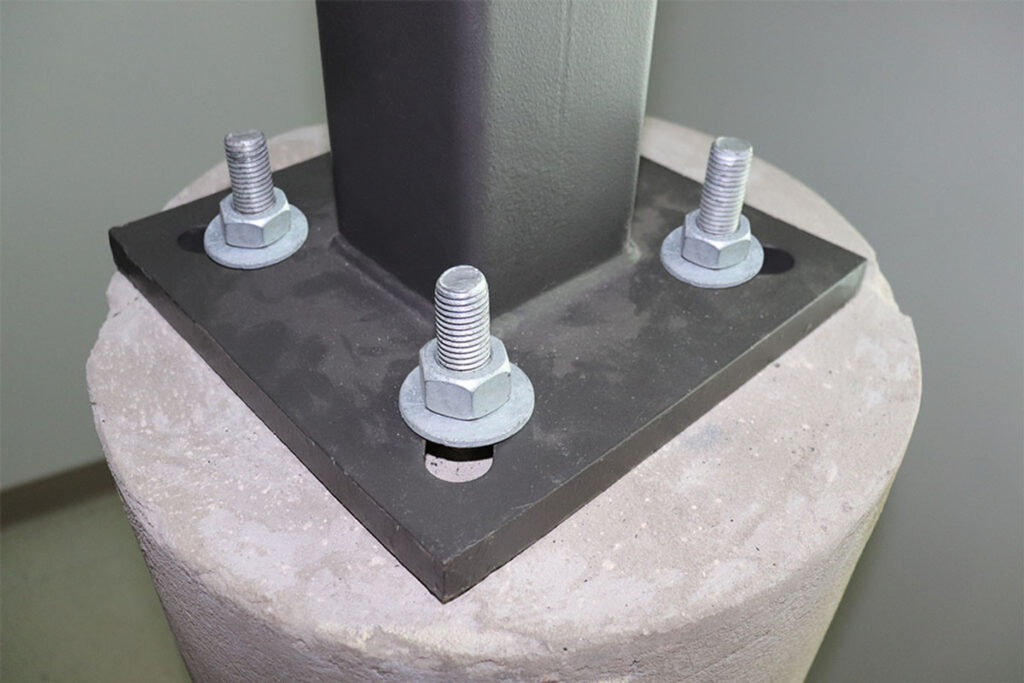
- Stabilizing transmission towers—the 230 kV transmission line mostly runs through dense forests and river valleys. Plate anchor rods anchor towers and ensure resilience against high winds, landslides, and soil erosion.
- Supporting grid interconnection projects—reintegration and modernization of the grid is crucial for new transmission tower foundations, reinforcement of old tower bases, and temporary and mobile towers used during construction.
- Renewable energy integration—plate anchor rods are crucial for ground-mounting solar panels, anchoring wind turbines, and supporting microgrid infrastructure. This helps send clean energy across the countries.
- Enhancing grid resilience—plate anchor rods provide long-term structural stability to reduce the risk of tower collapse and ensure uninterrupted energy flow. They also serve in emergency restoration during storms. They provide quick deployment and anchoring for temporary towers.
Infrastructure supporting energy sharing between Brazil and Venezuela
Energy sharing between Brazil and Venezuela often relied on limited infrastructure focused on transmitting hydroelectric power from Venezuela to Brazil. The infrastructure represents a foundational system that could support deeper regional energy integration in the future. It is crucial to optimize the infrastructure despite political and technical challenges. Here is the infrastructure supporting energy sharing.
- High-voltage transmission line—the 230 kV transmission line connects the Guri hydroelectric dam to Boa Vista in Brazil. It delivers up to 50-60 MW of hydroelectric power from Venezuela. However, it was inactive since 2019 due to grid instability and was recently revived.
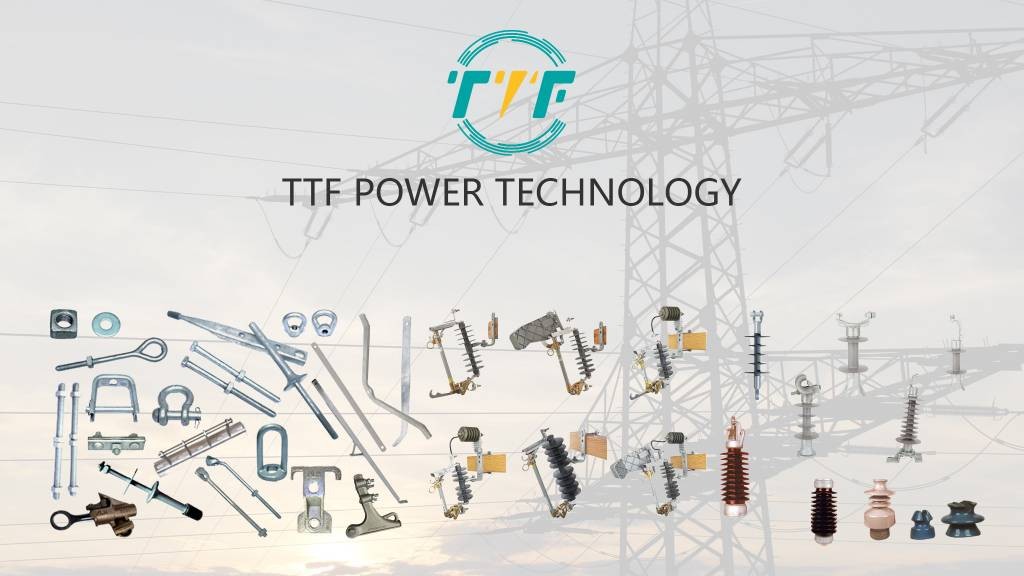
- Transmission towers and line components—the transmission line depends on heavy-duty infrastructure, including steel lattice towers, plate anchor rods, deadend clamps, spiral vibration dampers, and insulators. These components ensure reliability and resilience in extreme environmental conditions.
- Substations and interconnection nodes—the Guri substation in Venezuela steps up hydroelectric power for long-distance transmission. The Boa Vista substation is the node that steps down voltage and integrates Venezuelan power into Roraima’s local grid.
- Support infrastructure—this includes the construction of access roads and maintenance paths, remote sensing and SCADA systems, and service camps.
- Renewable energy expansion—both countries are exploring solar farms near the border, wind corridors, and battery energy storage systems. This would demand new infrastructure, including underground cables, smart grid interfaces, modular substations, and flexible AC transmission systems for grid balancing.