
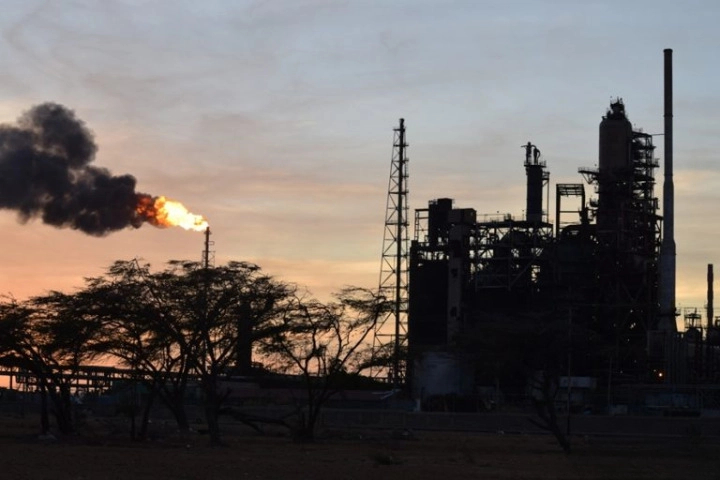
With the frequent blackouts in Venezuela, households and industries are increasingly using thermoelectric generators for sustainability. The use of thermoelectric generators (TEGs) running on fossil fuels impacts the energy sector in various ways. Its widespread use raises domestic consumption of fossil fuels that strains the already declining oil production. Venezuela relies on oil exports for revenue, but diverting fuel to power generators reduces exportable surplus. Higher domestic demand may lead to shortages, price hikes, and increased black-market fuel sales. Use of these generators reduces the pressure to fix the failing national grid. The overdependence on TEGs means fewer customers pay for grid electricity, which reduces the funding for repairs and upgrades. Thermoelectric generators reduce immediate pressure on the centralized grid. Suspension clamps function in industrial settings, transmitting power from TEGs through overhead lines.
The clamps secure and support cables on poles to prevent sagging and damage from wind or mechanical stress. They also mount and stabilize transmission lines between generators and distribution points. Venezuela faces frequent blackouts and infrastructure decay that demand proper cable support to prevent electrical faults. Robust cable management through suspension clamps ensures stable power delivery from TEGs to machinery. Proper electrical infrastructure, including clamps, insulators, and connectors, helps maintain minimal power reliability. Using suspension clamps in Venezuela’s energy sector helps prevent power disruptions, enhances safety, supports industrial and household TEGs, and adapts to harsh conditions. They help ensure stable electricity distribution amid grid failures.
Suspension clamps enabling power delivery from thermoelectric generators
Thermoelectric generators are crucial in off-grid and backup power scenarios. Suspension clamps ensure the safe and efficient operation of thermoelectric generators in Venezuela. Suspension clamps are mechanical fittings used to support and suspend electrical conductors from utility poles. They connect to localized power distribution networks or microgrids in thermoelectric generators. They ensure the mechanical integrity and electrical continuity of the system. The clamps are often used in hybrid setups involving TEGs, diesel generators, and solar panels connected to microgrids. Here are the roles of the suspension clamp in TEGs.
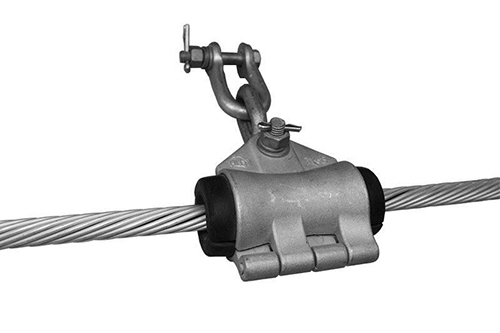
- Supporting overhead power lines—suspension clamps securely hold conductors in place between poles. They prevent sagging, snapping, or detachment due to wind, weight, or vibration.
- Absorbing mechanical stress—suspension clamps absorb mechanical tension and vibration in areas with poor infrastructure. They prevent conductor breakage, reduce system downtime, and ensure safety in high-use areas.
- Maintaining electrical safety—the clamps hold cables at a specific distance from poles and ground. They help maintain least clearance standards and reduce the risk of electrical faults or accidental contact.
- Improving longevity of distribution systems—high-quality clamps reduce wear and tear on conductors and insulators. This helps extend the life of TEG-connected micro-distribution systems.
- Enabling quick setup and repair—suspension clamps ease rapid installation and maintenance that allow technicians to fix backup power lines.
Impacts of using thermoelectric generators in Venezuela’s energy sector
The increased use of thermoelectric generators arises from the frequent power crisis in the country. The country also has significant economic, environmental, and systemic impacts that impact TEG use. Its adoption in the country reflects the adaptability of its citizens and highlights the collapse of centralized energy planning. Their continued use comes at the cost of sustainability, equity, and long-term energy security. These impacts include:
- Short-term relief—Venezuela is heavily dependent on the Guri Hydroelectric Dam, which has deteriorated due to underinvestment and lack of maintenance. The use of TEG provides localized power to keep essential services running during blackouts.
- Reinforcement of energy fragmentation—the reliance on thermoelectric generators signals a shift from centralized power toward user-operated energy systems. It creates energy inequality and disrupts the sense of collective grid reliability.
- Increased dependence on fossil fuels—most TEGs run on diesel or gasoline, which are prone to diversion into black markets. This places extra strain on PDVSA and worsens fuel shortages for transportation and agriculture.
- Obstacle of renewable energy transition—the use of TEGs delays the adoption of solar PV systems, wind energy, and energy storage solutions. TEGs also have policies and fuel subsidies that discourage long-term green investment.
- Strain on infrastructure and logistics—the increased adoption of thermoelectric generators creates logistical complications. These include increased maintenance burdens, risk of improper installations, and frequent breakdowns. This energy infrastructure creates a parallel grid that is unregulated and vulnerable.