
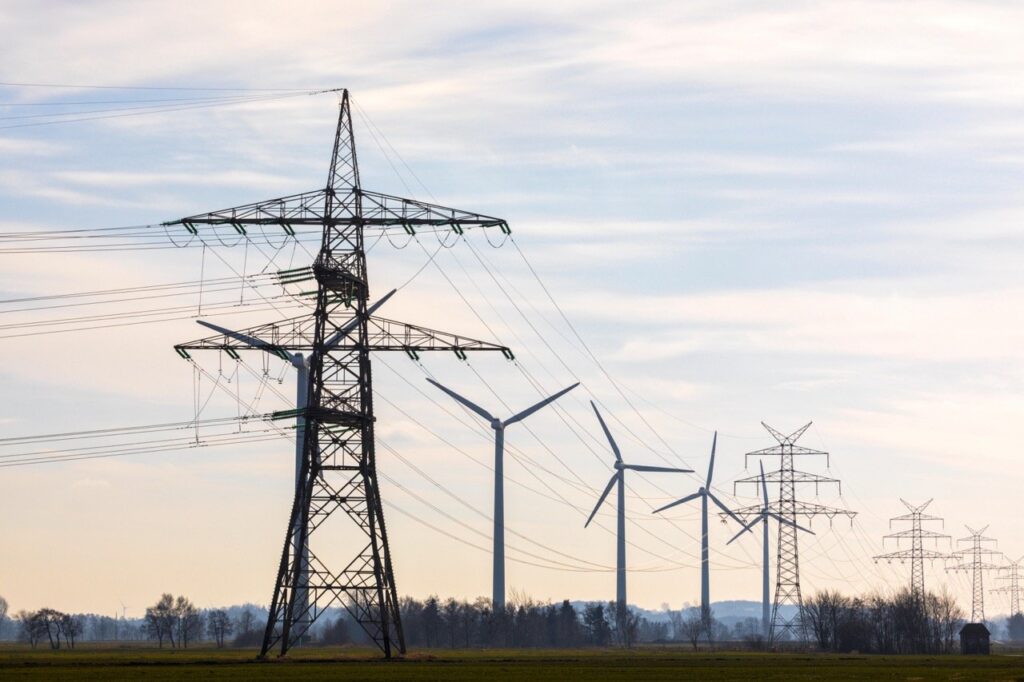
Venezuela often experiences shifts in its energy landscapes due to political, economic, and infrastructural challenges. The country holds the largest proven oil reserves, providing over 300 billion barrels. Crude oil output has dropped from over 3 million barrels a day to under 800,000 barrels a day. This stems from underinvestment, sanctions, and aging infrastructure. PDVSA, a state-run oil company, faces corruption, mismanagement, and sanctions that affect export revenues and domestic fuel availability. On the other hand, the country depends on hydropower from the Guri Dam, which provides more than 60% of the electricity. This provides clean, renewable, and reliable energy that supports the energy industry. However, challenges arise from droughts, poor maintenance, and technical failures leading to blackouts. Various measures and strategies to stabilize the grid include solar and wind integration. Using a ball clevis in the infrastructure helps ensure grid stability and reliability.
A ball clevis is a crucial component used in power transmission and distribution systems. It supports the infrastructure that allows grid integration with various energy resources for stability and reliability. The clevis helps attach insulators, conductors, and other hardware to transmission towers. It also helps maintain proper tension and alignment of power lines to prevent sagging. Venezuela’s grid relies on hydropower, thermoelectric generators, and limited renewables. A stable transmission network helps balance supply from different sources. A ball clevis secures this infrastructure to prevent blackouts in Venezuela. The clevis helps connect wind and solar energy into the grid reliably. Corrosion-resistant ball clevises ensure lines withstand harsh conditions in case of droughts and extreme weather.
Ball clevis in infrastructure integrating energy resources into Venezuela’s grid
Venezuela is seeking to stabilize and diversify its electricity generation resources. The ball clevis plays a crucial role in securing and supporting the infrastructure used. It is a mechanical fitting used in high-voltage transmission lines. It connects insulators to other hardware components like conductors and suspension clamps. The ball clevis consists of a clevis with a pin and ball that allows movement and articulation between components under tension. The clevises provide mechanical reliability and adaptability in grid modernization projects, off-grid solar projects, and cross-border energy exchange. Here are the roles of ball clevises in energy infrastructure.
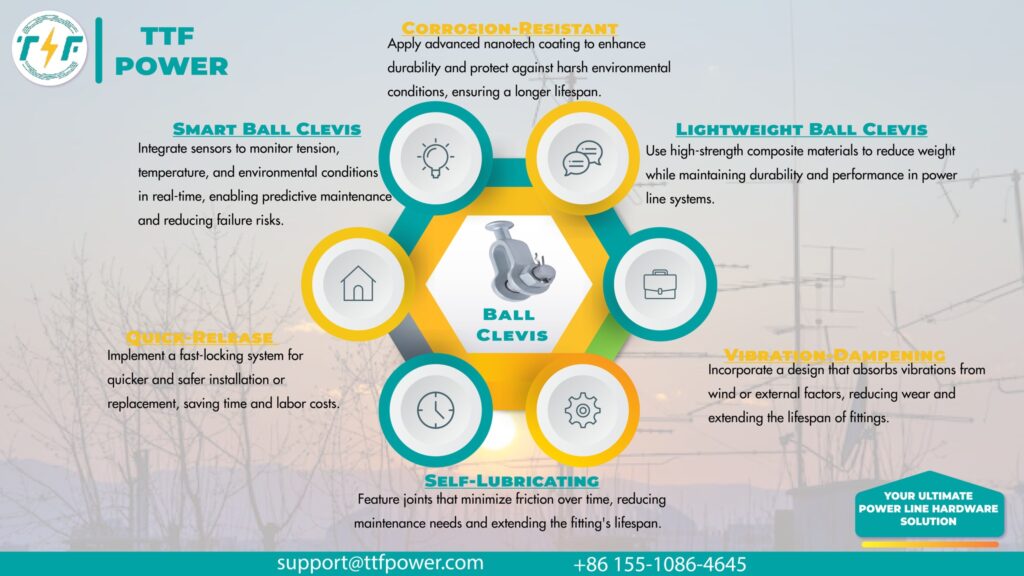
- Securing connection between components—the ball clevis connects insulator strings to tower hardware. It ensures safe and secure mechanical attachment under extreme stress and weather conditions.
- Enables flexibility in transmission lines—the ball and socket design allows slight rotational movement. This helps absorb mechanical stress from the infrastructure. This is crucial for accommodating the dynamic load shifts that occur when integrating variable energy resources.
- Reducing mechanical stress and fatigue—ball clevises help reduce tension stress on insulators and towers. This is most common in an infrastructure system experiencing frequent load fluctuations. The clevises maintain the integrity of overhead lines and reduce maintenance needs in remote areas.
- Supporting renewable integration—the clevis functions in substations and transmission towers to ensure the stability of newly added lines feeding power from renewables into the main grid.
Technologies integrating energy resources into the main grid in Venezuela
From overdependence on hydropower, Venezuela is exploring ways to integrate diverse energy resources into its transmission and distribution systems. These resources include solar and wind, oil and gas-powered plants, and thermoelectric generation. This integration into the grid demands robust infrastructure and advanced technologies. There are other strategic investments in smart grids, battery storage, and flexible transmission. The technologies used include:
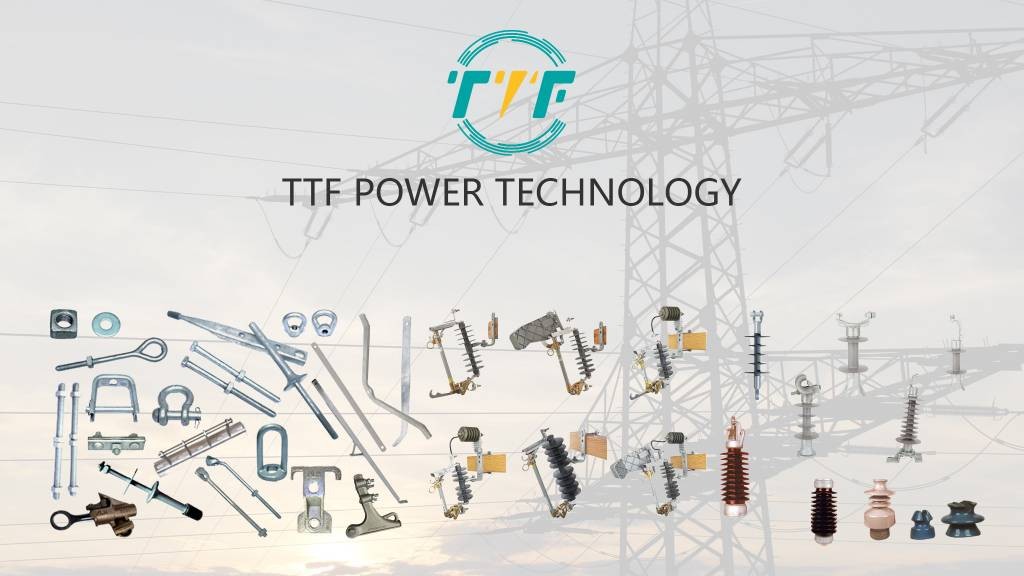
- High-voltage transmission lines—these are long-distance lines that carry electricity from generation sites to substations. They allow for load balancing between overproducing and underproducing regions.
- Substations with step-up and step-down transformers—these transform voltage levels for efficient transmission and safe distribution. The substations receive power from oil and gas thermoelectric plants and adjust voltage for transmission.
- Grid-tie inverters and hybrid inverters—these convert DC electricity to AC for grid use and synchronize it with grid frequency and voltage. These inverters are crucial for solar PV and wind power to feed into the grid.
- Battery energy storage systems (BESS)—these store excess energy and release it when demand spikes or supply drops. They help integrate intermittent solar and wind by stabilizing voltage and frequency.
- Flexible AC transmission systems (FACTS)—these enhance the capacity and stability of transmission networks through power electronics. They help manage voltage fluctuations caused by variable solar and wind output.