
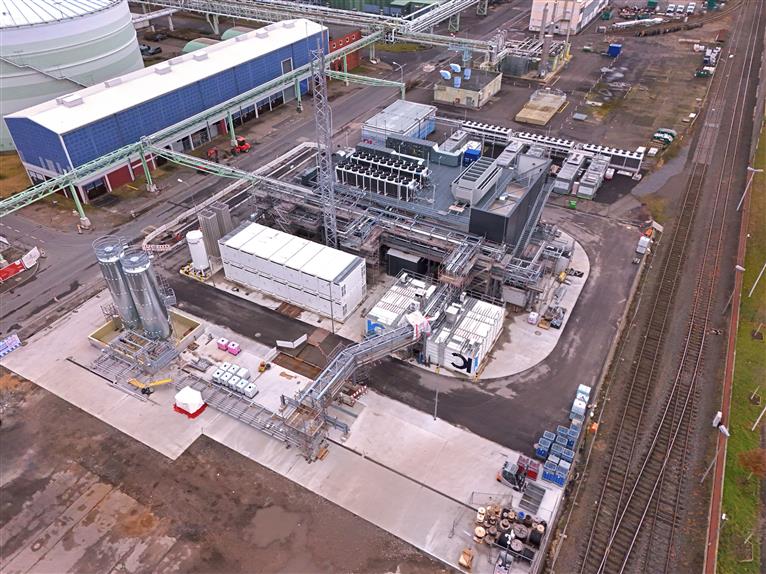
Ineratec, a German cleantech firm, teamed up with Arauco and Abastible to assess the development of a power-to-liquid (PtL) e-fuel project. The process focuses on integrating existing industrial infrastructure with power-to-X technology to produce synthetic fuels. The fuels will be from biogenic carbon dioxide and renewable hydrogen. The production process combines biogenic carbon dioxide captured from sustainable biomass sources. It also involves renewable hydrogen generated through water electrolysis using renewable electricity like solar, wind, and hydro. Key technologies used during the production include carbon dioxide capture through amine scrubbing and pressure swing adsorption, water electrolysis, and catalytic synthesis. Synthetic fuels powered by renewables reduce emissions, convert intermittent renewable electricity into storable fuels, and reduce reliance on fossil fuel imports. The infrastructure for e-fuel production uses rock anchors for security, safety, and reliability.
E-fuel production relies on robust wind turbine infrastructure to deliver renewable electricity, electrolyzers, synthesis reactors, and storage tanks. Rock anchors prevent foundations from being pulled out of the ground by wind or forces. They transfer structural loads into stable bedrock and anchor the thick concrete foundation slabs for heavy equipment to prevent movement. The anchor provides lateral support for large cantilever or gravity walls holding back soil and rock. Rock anchors anchor pipeline support piers to resist thermal expansion and contraction, internal pressure, and seismic wave action. They secure underwater pipelines against hydrodynamic forces. The anchors also secure underwater pipelines against hydrodynamic forces.
Quality assurance for rock anchors used in renewable and e-fuel infrastructure
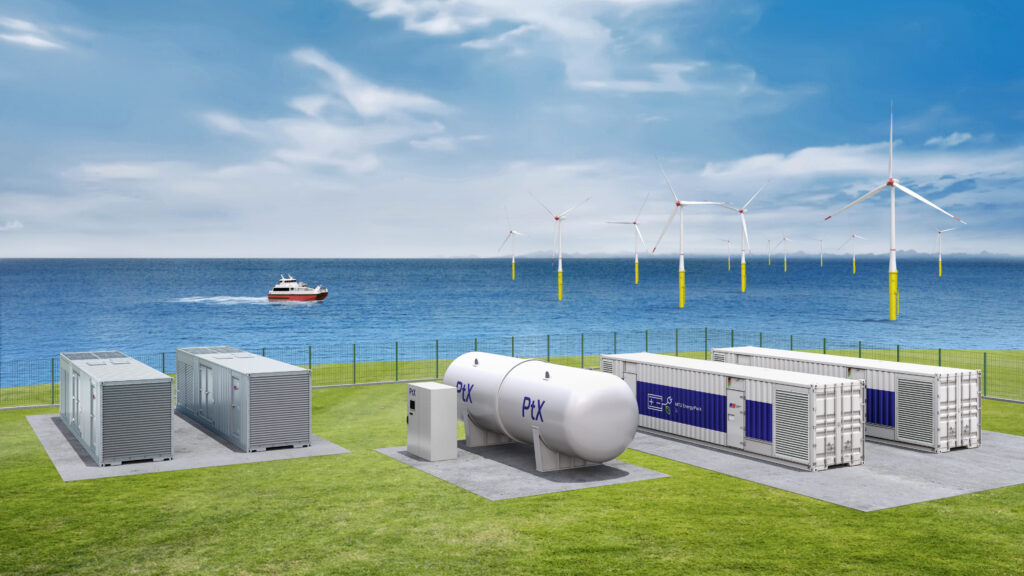
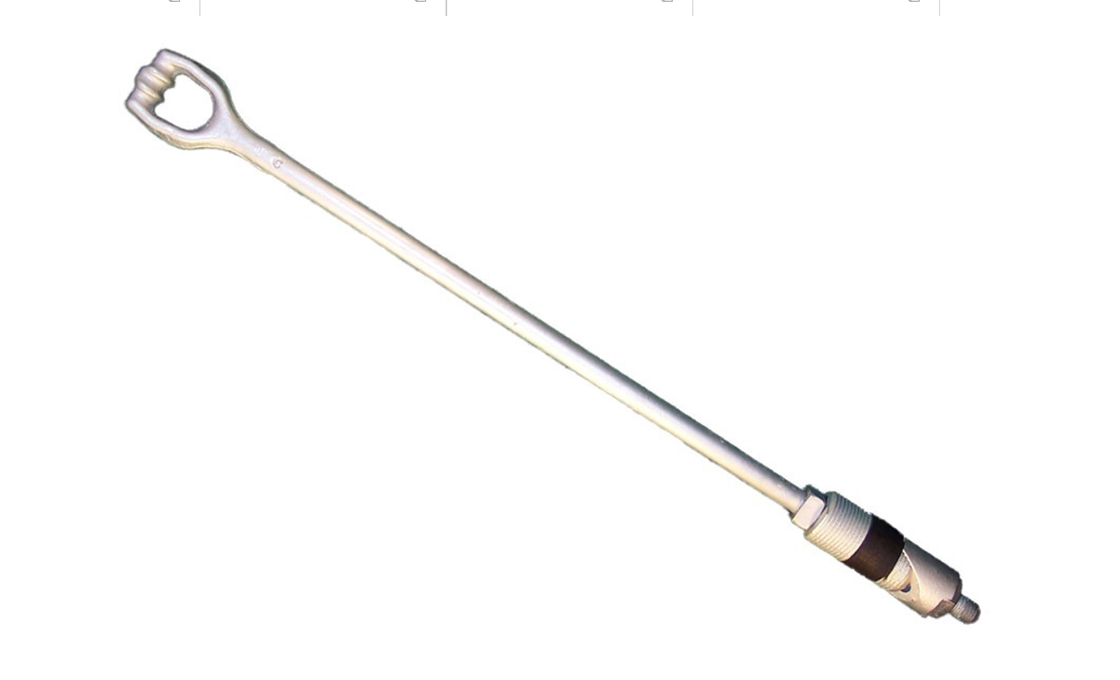
Rock anchors secure foundations, retaining walls, embankments, and heavy equipment platforms. Rock anchors serve in electrolyzers, PtL reactors, solar farms, wind turbines, and storage tanks. They resist uplift and lateral loads, stabilize structures under seismic and wind stress, and ensure long-term operational safety. Ensuring quality assurance for rock anchors helps meet design requirements, perform reliably, and comply with Chilean and international engineering standards. The quality assurance process includes pre-construction verification, material certification, installation control, real-time monitoring, load testing, and documentation. Quality assurance influences safety and reliability, lifecycle optimization, and regulatory compliance. It helps the anchors support wind turbine foundations, solar mounting systems, electrolyzer and reactor pedestals.
Functions of the rock anchors in renewable and e-fuel infrastructure
Rock anchors transfer structural loads from surface installations to competent rock strata. They ensure stability, safety, and long-term operability in diverse environmental conditions in Chile. Hence, the rock anchors are load-transfer, stabilization, and resilience-enabling components in renewable energy and e-fuel production infrastructure. Here are the functions of the rock anchors in the infrastructure used.
- Structural stabilization of renewable assets—rock anchors resist uplift forces, provide lateral restraint, and enable foundation designs. They are crucial in wind farms, solar plants, and hybrid renewable hubs.
- Foundation support for e-fuel production facilities—rock anchors secure electrolyzer skids, reactors, compressors, and distillation columns to prevent settlement. They also maintain equipment alignment and control vibration and dynamic loads.
- Seismic load transfer and resilience—rock anchors transfer dynamic seismic forces, improve the ductility and energy-dissipation capacity of structural systems.
- Load sharing and design optimization—rock anchors allow engineers to reduce concrete volumes by transferring tensile loads into rock. They also optimize foundation footprints for modular PtL plants and compact renewable installations.
Infrastructure supporting the production of e-fuels in Chile
Chile’s e-fuels industry depends on an integrated infrastructure ecosystem that links renewable power, green hydrogen, sustainable carbon dioxide supply, and downstream fuel processing. Arauco supplies biogenic carbon dioxide, and Abastible develops and operates green hydrogen production. Key infrastructure for Chile’s e-fuel production includes:
- Carbon capture, conditioning, and transport systems—carbon capture units integrate into forestry and pulp operations, drying, purification, and compression equipment to meet synthesis-grade specifications.
- Green hydrogen production infrastructure—this includes electrolyzers, water treatments and desalination systems, hydrogen compression, buffering, and safety systems.
- E-fuel synthesis and processing facilities—the PtL infrastructure includes synthesis reactors, heat integration systems, and upgrading units to meet fuel specifications for transport and aviation.
- Storage, distribution, and offtake integration—infrastructure enables commercialization like e-fuel tanks, integration with existing fuel logistics networks, and export-ready port infrastructure for international markets.
- Renewable power infrastructure—renewable energy is needed for large-scale electrolysis, carbon capture, compression, and conditioning, and synthetic fuel synthesis and upgrading. Rock anchors secure infrastructure that delivers renewable energy to e-fuel production processes.