
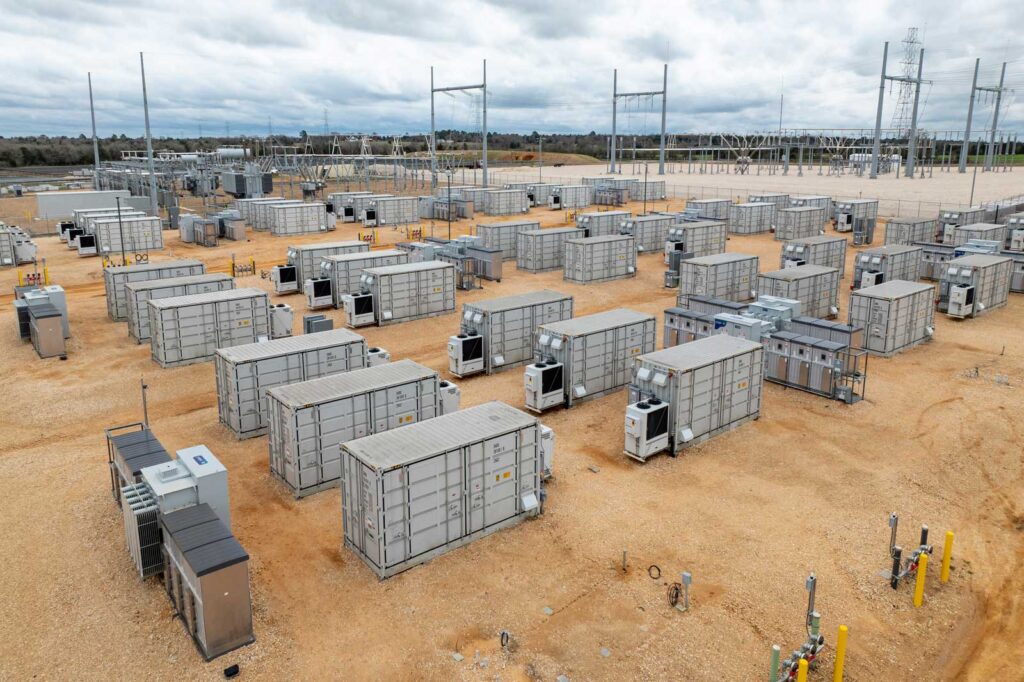
Colbún, a Chilean energy company, is advancing a 228 MW/912 MWh battery energy storage system linked to the 232 MW Diego de Almagro Sur Photovoltaic plant in the Atacama Region. The development represents a strategic shift from solar generation tohybrid solar-plus-storage infrastructure designed for grid optimization and energy arbitrage. The storage system provides 4 hours of discharge duration at full output. This duration aligns with Chile’s evening peak demand window and allows stored solar generation to be dispatched after sunset. The integration transforms the Diego de Almagro Sur facility from an intermittent generator into a dispatchable renewable asset. The technical characteristics related to the project include utility-scale lithium-ion battery technology, grid-forming inverter systems, and advanced energy management systems for optimized charge and discharge cycles. The significant interconnections in the project depend on hardware components such as terminal bolts.
Terminal bolts enable grid-forming capability to provide the low-resistance, high-reliability connections needed for GFM inverters to stabilize Chile’s renewable-heavy grid. The bolts ensure voltage support at renewable interconnection points. They also maintain the integrity of energy transfer between AC/DC components in hybrid solar and storage plants. Terminal bolts provide strong mechanical fixation against vibration and thermal expansion in remote deserts like Atacama. Dual-bolt configurations provide redundant fastening, mitigating vibration-induced loosening in seismic zones. Terminal bolts provide maintenance-free and high-conductivity paths on BESS infrastructure. The bolts allow safe isolation and replacement without cutting the entire system. They support safety by preventing loose connections and improving fault current dissipation.
Quality assurance for terminal bolts in Chile’s BESS project development
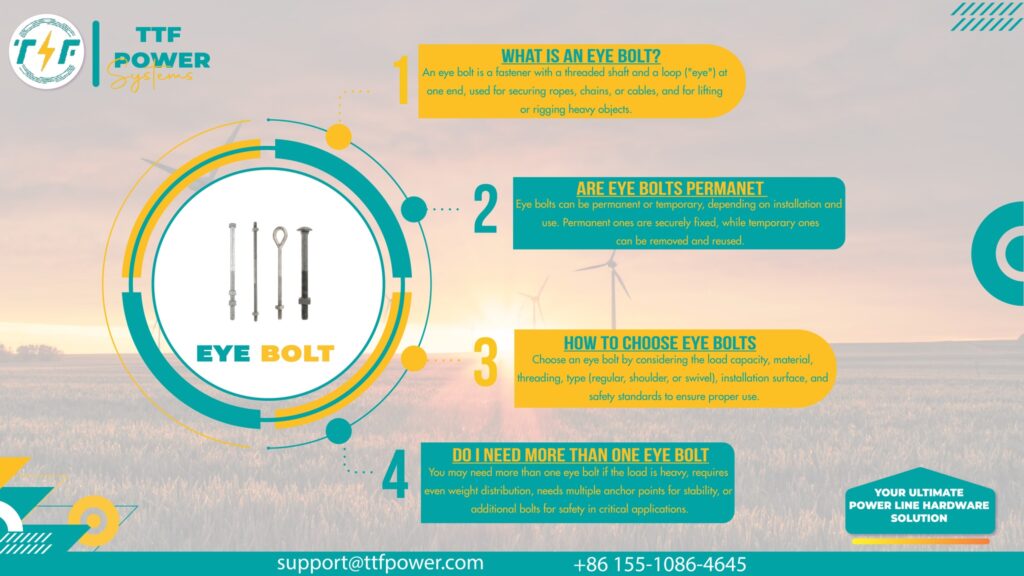
Terminal bolts secure electrical lugs, busbars, battery rack interconnections, inverter terminals, grounding systems, and medium-voltage equipment. Quality assurance ensures the bolts prevent failures that lead to overheating, arcing, equipment damage, or fire risk. The quality assurance process for the bolts includes ensuring they meet defined mechanical and electrical standards. This includes high-strength carbon steel, copper finishes for improved conductivity and corrosion resistance, and compatibility with aluminum to avoid galvanic corrosion. Material selection considers high UV exposure, dust and salinity, and large temperature swings. Mechanical property verification for terminal bolts includes tensile strength testing, proof load testing, hardness testing, and yield strength validation. Quality assurance inspections for the bolts verify thread pitch accuracy, major and minor diameters, surface finish quality, and thread engagement length.
Uses of terminal bolts in Chile’s BESS project development
Terminal bolts enhance electrical reliability, thermal performance, and safety compliance in Chile’s BESS project development. They serve as critical components in high-current electrical pathways, structural stabilization, and safety assurance. They preserve low-resistance connections, withstand thermal cycling, support fault tolerance, and mitigate fire risks. Here are the key functions of the terminal bolts in Chile’s BESS project development.
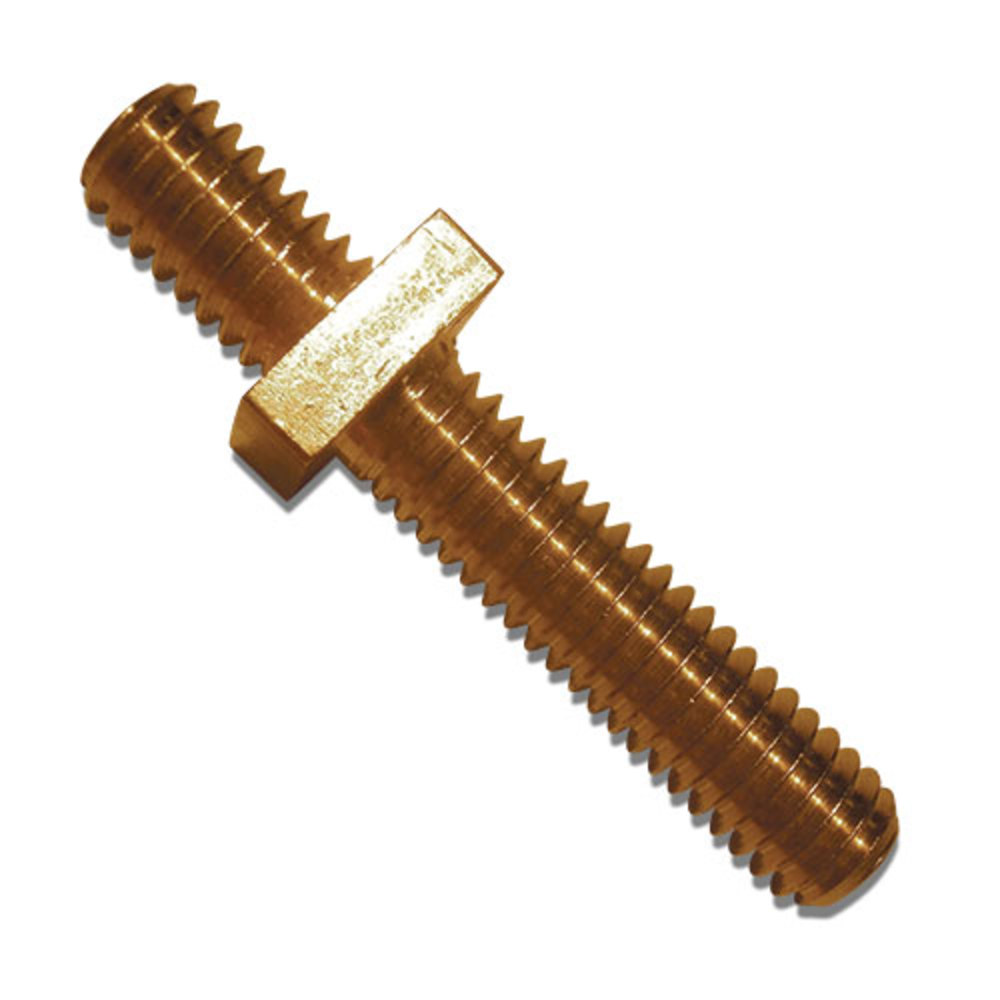
- Securing high-current connections—the bolts secure electrical conductors to terminals such as battery module terminals, DC busbars, string combiners, inverter DC inputs, and grounding bars. Proper bolt preload ensures uniform surface contact between conductive materials.
- Maintaining low contact resistance—terminal bolts apply consistent compressive force between lugs and busbars. They also prevent micro-gaps that increase resistance and reduce the risk of thermal hotspots.
- Withstanding thermal cycling—terminal bolts maintain preload under cyclic expansions of conductive materials. Loss of torque in the bolts results in connection loosening, increased resistance, and potential arc formation.
- Supporting fault current pathways—terminal bolts form the mechanical structure that sustains high instantaneous currents. The bolts maintain structural integrity during fault events. They also ensure proper grounding continuity and support protective device coordination.
- Ensuring mechanical stability of battery racks—the bolts contribute to the structural stability of battery modules, secure inter-module links, and vibration resistance from cooling systems.
The importance of battery energy storage systems in Chile’s energy sector
The storage system will feature a 232 MW plant operated by Colbún since 2022. It will feature a total power capacity of 228 MW and a storage capacity of 912 MW. The primary goal is to ensure continuity of renewable supply and support the flexibility of the national electric system. The battery energy storage systems will strengthen the renewable supply and provide greater stability to the electrical system. This will ensure clean energy availability even during periods of low energy production. Chile targets carbon neutrality by 2050 and continues speeding up coal plant retirements. The BESS project contributes to renewable penetration without compromising grid stability. It also contributes to replacement of fossil-based peaking plants, and improved system flexibility amid high variable renewable energy.