
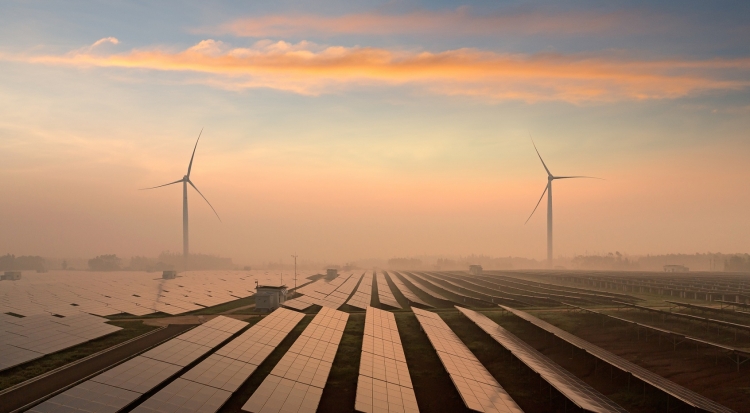
Solar PV and wind power in Chile reached a record level in 2025, which marked the highest participation in Chile’s National Electric System. Solar and wind technologies accounted for about 38% of total electricity injected into the grid. When combined with other renewable sources such as hydropower, renewables supplied close to two-thirds of Chile’s total electricity demand. The outcome reflects both the sustained expansion of installed renewable capacity and significant improvements in system operation and coordination. Chile has about 1,700 MW of storage capacity installed with an extra 600 MW undergoing testing. The addition of 4,500 MW of battery projects under construction could enhance system flexibility and grid integration of renewables. These connections help reduce curtailment caused by congestion between generation-heavy regions and load centers in central Chile. These interconnections rely on drop-out cutout fuses.
Cutout fuses ensure the safety, reliability, and efficiency of electrical infrastructure. The cutout fuse protects expensive equipment in remote solar farms and wind parks from destructive faults to reduce repair costs and downtime. The fuse automatically disconnects a circuit when excessive current is detected to prevent damage to equipment like transformers and cables. They act as a visible disconnect switch once the fuse blows to isolate a section of the circuit for maintenance. This provides a visible break in the circuit to ensure safety for technicians working on distributed generation systems in harsh environments. Drop-out cutout fuses enhance grid resilience by managing complex power flows from intermittent solar and wind sources.
Quality assurance for dropout cutout fuse for use in wind and solar infrastructure in Chile
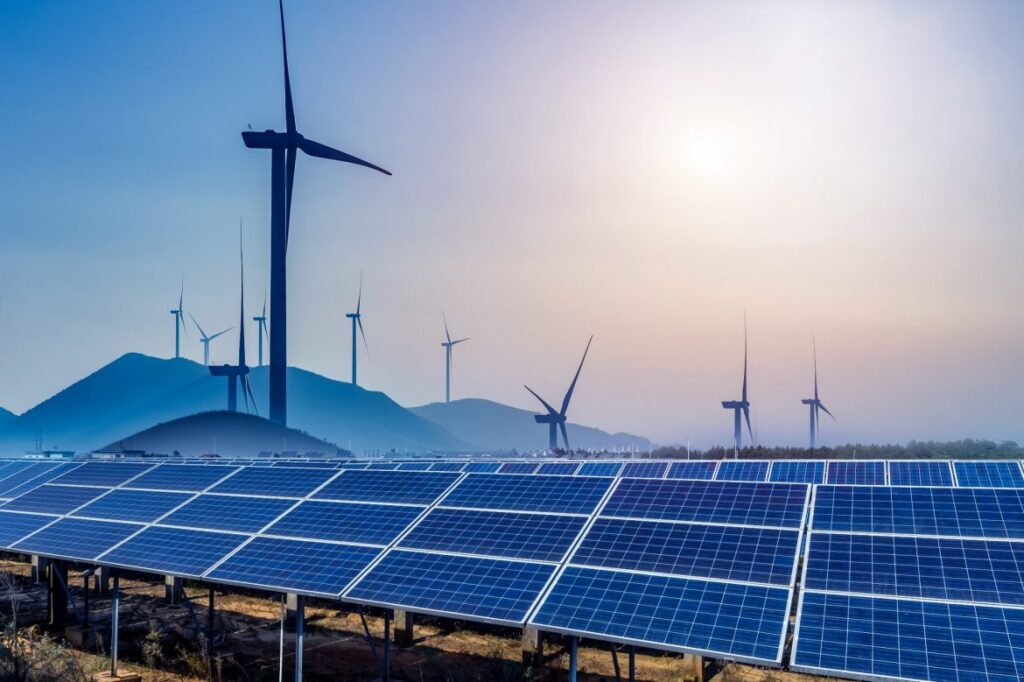
Robust quality assurance practices are essential to ensure reliability, safety, and regulatory compliance. It makes it a crucial component for safety and protection for distribution lines and at renewable energy interconnection points. It protects inverter output, medium-voltage feeders, and transformer connections from transient and sustained fault currents. Lack of quality assurance ensures the fuse does not fail prematurely, misoperate, or compromise safety. These failures may lead to extended outages, fire hazards, fault escalation, and regulatory non-compliance. The QA process ensures that the fuses meet technical standards, withstand environmental conditions, and maintain electrical performance. Solar and wind infrastructure in Chile depends on high-quality dropout cutout fuses. Quality assurance for the fuses ensures safety, reliability, and operational continuity across wind farms and solar PV plants.
Drop out cutout fuses in solar and wind infrastructure in Chile.
Drop-out cutout fuses offer protection and sectionalizing in Chile’s wind and solar infrastructure. It is installed on medium-voltage distribution feeders, transformer primaries, and interconnection points. The cutout fuses protect renewable generation assets from overcurrent events, short circuits, and downstream faults while providing a visible isolation point for maintenance crews. Here are the functions of the drop-out cutout fuse in solar and wind projects.
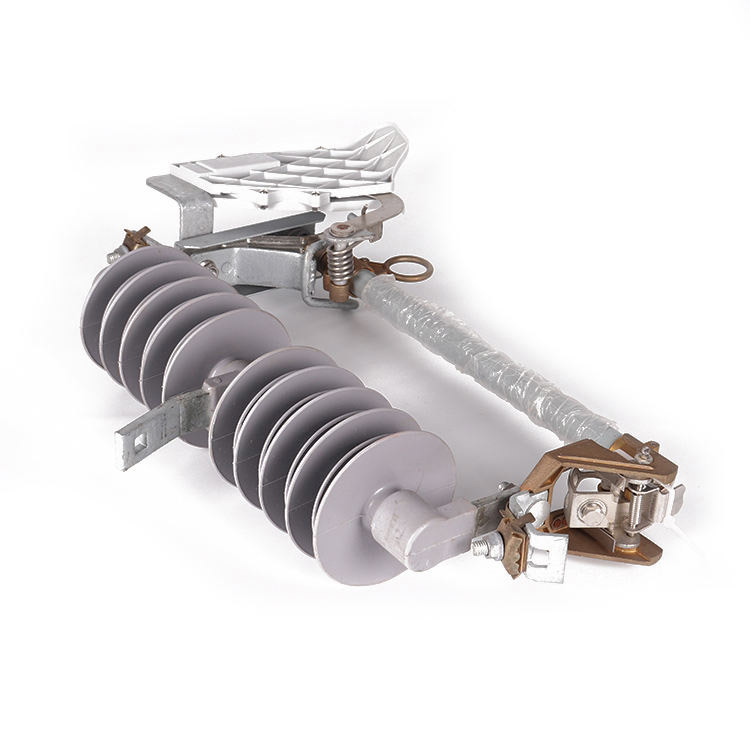
- Overcurrent and short-circuit protection—the drop-out cutout fuse isolates faults, protects upstream infrastructure, and prevents thermal damage to transformers and switchgear.
- Transformer protection in renewable plants—drop-out cutouts are used to protect pad-mounted transformers stepping inverter output in solar plants. They also protect nacelle-mounted or ground-based transformers connected to turbine generators.
- Visible isolation and safety function—the fuses provide confirmation of circuit isolation and support lockout-tagout procedures.
- Sectionalizing and fault localization—when a fault occurs, the fault closest to the fault operates, and upstream reclosers remain closed. This reduces generation losses and improves plant availability metrics.
The roles of BESS in solar and wind projects in Chile
Battery energy storage systems are core grid-stabilizing assets in Chile’s solar and wind sector. BESS helps balance intermittency, manage congestion, and improve project economics. BESS also enables energy shifting, stabilization, and monetization. The following are the key roles of BESS in Chilean solar and wind projects.
- Energy shifting and peak arbitrage—solar generation produces midday surpluses that lead to depressed spot prices, curtailment, and transmission congestion. BESS absorbs excess generation during low-price hours and discharges during evening peak hours, high-price periods, and system stress events.
- Curtailment mitigation—BESS mitigates storing curtailed energy, reduces waste renewable output, and enhances effective plant capacity factor. This increases monetizable energy without building generation capacity.
- Voltage support and reactive power control—the BESS includes grid-forming inverters capable of reactive power injection, voltage stabilization, and dynamic grid support during disturbances.
- Firming of renewable output—BESS smooths variability by reducing ramp rates, delivering dispatchable blocks of power, and supporting compliance with grid dispatch instructions.