

Peru is famous for its mineral production, which is strategic for the energy transition and energy sustainability. It produces copper, iron, lead, molybdenum, silver, indium, and graphite. It also produces lithium, nickel, cobalt, manganese, titanium, vanadium, and rare earth elements. These minerals help in the manufacturing of electric vehicles, transmission grids, batteries, wind turbines, solar panels, and advanced technologies. Peru has 66 exploration projects and has 69 investment projects. These represent estimated investments worth over US$64 billion. Investment projects can translate proven resources into mines, processing facilities, transportation systems, and energy infrastructure. In turn, this development will increase demand for roads, ports, water systems, substations, transmission lines, power generation, and industrial facilities in mining operations. Additionally, such growth creates opportunities for power-line infrastructure manufacturers and suppliers of silicone suspension insulators, clamps, connectors, and transmission fittings. This infrastructure is crucial for the development and operation of large-scale mining in Peru.
Silicone suspension insulators ensure the reliable transmission of power to remote operations. They support high-voltage conductors while electrically insulating them from their support structures. This prevents current from flowing to the ground and ensures the safe and stable operation of the power grid feeding the mine. The insulators prevent the formation of continuous conductive paths that can lead to flashover and power outages. Silicone suspension insulators provide the robust and reliable insulation needed for the efficient transmission of green energy. They are able to withstand diverse conditions in the mining areas. They are resistant to low temperatures and frost, which helps reduce the risk of ice flashover and breakage. This is crucial for maintaining a consistent power supply for a sustainable energy strategy. Additionally, their lightweight design reduces transportation and installation costs in remote mining locations.
Quality assurance for silicone suspension insulators used in mineral mining infrastructure

Silicone suspension insulators serve in overhead power networks supplying Peru’s mining operations. They serve where high-voltage lines connect mines, processing plants, substations, and remote generation facilities. In the mining environments, power line hardware faces dust, moisture, chemicals, vibration, and demanding mechanical loads. Quality assurance for the insulators covers the silicone housing, fiberglass-reinforced core, metal fittings, electrical performance, and mechanical strength. It ensures the insulator meets the international framework for definitions, test methods, and acceptance criteria. The process includes silicone rubber material quality, fiberglass reinforcement inspection, housing-to-core adhesion, metal fitting quality, mechanical load testing, and electrical performance testing. A high-quality insulator should combine mechanical strength, electrical insulation, hydrophobicity, pollution resistance, environmental durability, secure interfaces, and corrosion-resistant fittings.
Silicone suspension insulators in mineral mining infrastructure in Peru
Large mines and processing facilities depend on reliable electricity for crushing, grinding, pumping, ventilation, material handling, mineral processing, and other operations. Peru is also expanding its transmission infrastructure with 32 transmission projects covering more than 3,800 km of networks at 60-500 kV to strengthen the reliability of electricity. Here are the roles of the insulators in the mining infrastructure.

- Supporting reliable power transmission—the silicone suspension insulator isolated overhead conductors from towers and other grounded structures while supporting the conductor.
- Withstanding mechanical loads—the insulators form part of the mechanical load path between the conductor and supporting structure.
- Providing insulation in contaminated environments—properly designed composite insulators can reduce the tendency of water to form a continuous conductive film on the surface.
- Improving transmission-line reliability—mining operations depend on a high-voltage supply to operate their concentrator, pumps, conveyors, and other electrical loads. Reliable suspension insulators contribute to the continuity and stability of electricity supply to mining loads.
- Supporting high-voltage mining infrastructure—high-voltage connections in Peru’s mining include infrastructure from 60 kV to 500 kV. Silicone suspension insulators used should consider the system voltage, lightning, and switching stresses.
Mineral mining opportunities in Peru’s energy sector
Peru’s mineral mining sector represents opportunities for the country’s energy industry. This is because mining expansion increases demand for electricity generation, transmission, substations, grid modernization, and energy services. Key opportunities include:
- Rising demand for electricity—mining operations need continuous power for mineral processing, conveyors, ventilation, pumps, and water management.
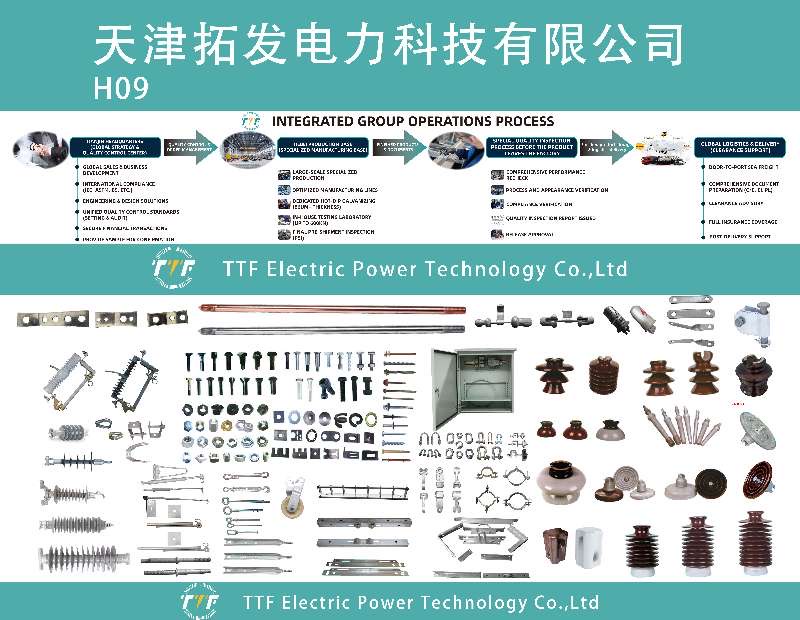
- Expansion of transmission infrastructure—mining projects in remote areas create opportunities for investments in high-voltage transmission lines, substations, and other equipment. This leads to demand for silicone suspension insulators and transmission line fittings.
- Development of renewable power for mining—renewable power can be connected to mining operations through the national grid, dedicated generation facilities, or combinations of generation and storage.
- Electrification of mining equipment—replacing diesel-powered equipment with electric alternatives increases electricity demand.