
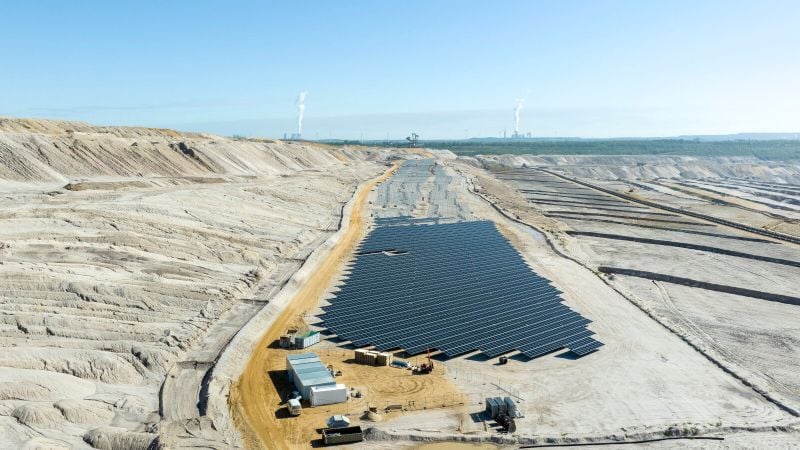
Powering mining operations with renewable energy is crucial in enhancing operational efficiency, cutting energy costs, and meeting global demand for low-carbon minerals. Peru has the potential to lead sustainable mining for copper, zinc, silver, lithium, and gold. Resources such as solar, wind, and hydro provide clean and sustainable energy for mining operations. Mining operations are energy-intensive, demanding continuous power for crushing, grinding, and refining ores. It is also crucial for pumping water and running heavy machinery and lighting for underground sites. Copper and lithium are also crucial components used in electric vehicles and solar panels. Companies mining these minerals must show carbon footprint reductions, use 100% renewable or hybrid power, and have transparent sustainability reporting. Projects like the San Martín solar project supply clean energy to mines, reduce operating costs, and reduce carbon emissions. Stay rods help stabilize wind turbines, solar mounting structures, and transmission lines.
Quality rods ensure the reliable delivery of renewable energy to Peru’s industrial sector. They are crucial in Peru’s seismic activity, high-altitude conditions, and expansive industrial energy demands. Stay rods anchor guy wires that stabilize wind turbine masts and mountainous regions where wind farms are expanding. Additionally, in large-scale solar PV plants, stay rods secure ground-mounted systems against high winds and seismic shifts. High-quality rods reinforce high-voltage transmission towers that connect renewable energy projects to industrial hubs. They ensure power lines remain intact during extreme weather to reduce disruptions to factories and mines. The mining industry uses renewable microgrids with stay rods to stabilize infrastructure in remote and rugged terrains. The rods are made from galvanized steel to withstand harsh environmental conditions. With the upcoming industrial expo in Peru, companies can showcase their stay rods, power line hardware, and mining infrastructure used.
Powering mining operations with renewable energy through stay rods
Stay rods support the foundation of infrastructure that powers mining operations with renewable energy in Peru. Stay rods ensure the structural stability of overhead lines and substations. They help clean energy reach Peru’s copper, lithium, silver, and gold mines safely. Stay rods are mechanical components used to secure utility poles, distribute the force from guy wires into the ground, and prevent tilting or collapse of poles under wind, line tension, or seismic activity. It is crucial to use stay rods as solar, wind, and hydro systems deliver electricity to mines in remote and rugged terrain. Here are the roles of stay rods in delivering renewable energy to mining operations.
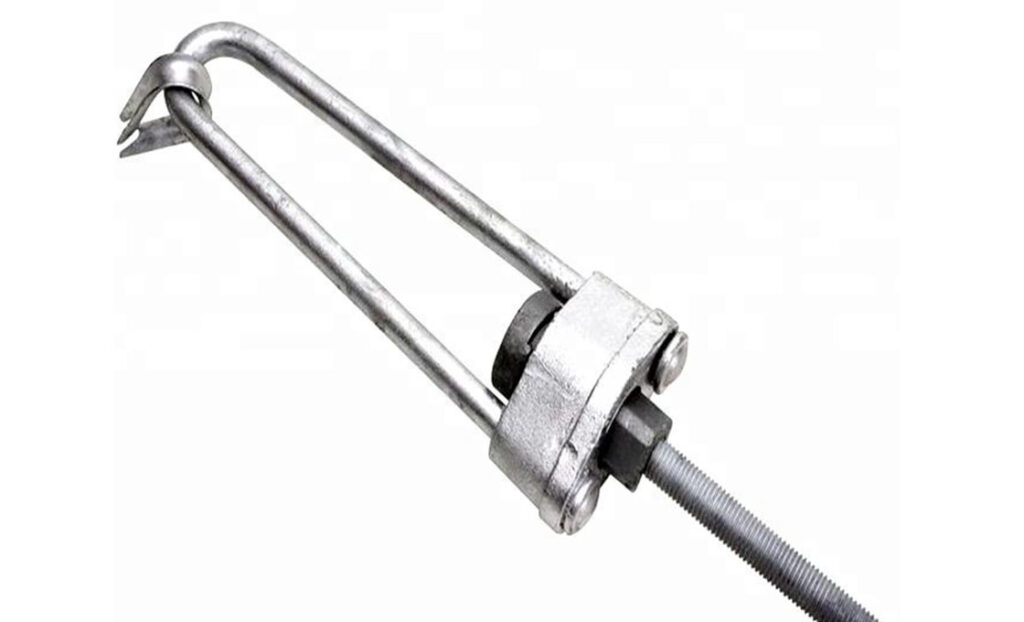
- Stabilizing transmission lines from solar and wind farms—projects like the San Martín solar plant supply power to mines through long-distance overhead lines. Stay rods anchor poles and towers carrying high-voltage renewable power. They maintain line alignment over uneven terrain.
- Supporting microgrid and off-grid systems—stay rods support off-grid operations using solar and battery and diesel hybrid systems. The rods anchor distribution poles connecting on-site solar PV arrays, substations, and industrial buildings.
- Maintaining structural integrity—Peru’s mining operations face harsh conditions such as high winds, seismic activity, and heavy conductor loads. Stay rods withstand lateral loads and vibrations, ensure grounding stability, and extend the lifespan of renewable transmission infrastructure.
- Grid expansion to mining hubs—stay rods anchor new lines connecting utility-scale solar and wind projects to mines. They allow rapid expansion of modular substations that power industrial operations.
Importance of powering mining operations with renewable energy
Powering mining operations with renewable energy is an economic, strategic, and environmental necessity. It is crucial as global demand for low-carbon minerals increased in Peru. Renewable energy is a key measure in transitioning to clean energy in copper, silver, zinc, and lithium mining. The impacts include:
- Lowering operational costs—traditional energy sources are expensive to transport and linked to high maintenance costs. Switching to renewable sources reduces long-term energy costs and enables energy price predictability.
- Meeting decarbonization standards—adoption of clean energy allows Peru’s miners to align with ESG frameworks and report lower carbon intensity.
- Reducing greenhouse gas emissions—mining contributes a significant part of industrial emissions through diesel use and grid electricity tied to natural gas. Replacing these fossil fuels leads to carbon emissions reduction and cleaner local air and water systems.
- Improving energy reliability in remote mining regions—renewable solutions like solar PV with battery storage provide energy independence, protection from blackouts, and modular systems tailored to site demand.