

Venezuela faces struggles with its aging infrastructure, underinvestment, and poor maintenance. Energy investments in Venezuela’s energy sector depend on a mix of resources, economic mismanagement, political instability, and sanctions. Recent shifts in global energy dynamics and untapped potential are drawing renewed attention to the energy investment industry. The country has one of the largest proven oil reserves in the world and significant natural gas resources. Venezuela holds significant long-term potential in upstream & midstream oil projects, gas-to-power projects, hydropower modernization, renewable expansion, and private sector partnerships. Recently, there has been sanctions relief allowing companies to resume limited operations. The key players include PDVSA, Chevron, Eni, Repsol, and small private firms and traders. Insulator fittings play a crucial role in power transmission and distribution infrastructure.
Insulator fittings support and isolate electrical conductors in power lines, substations, and industrial facilities. Their main functions include preventing electrical leakage, supporting overhead lines, and protecting against short circuits. Venezuela’s heavy oil extraction needs artificial lifting and thermal recovery methods. Insulator failures can cause outages and disrupt production. The grid and oilfield power systems depend on outdated or damaged insulators to create a market for upgrades. Energy infrastructure depends on insulators and insulator fittings to boost production and transmission. Polymer composite insulators could outperform traditional ceramic ones in Venezuela’s harsh climate. High-performance insulator fittings are crucial components that reduce risk and increase return on investments on energy projects. They help reduce maintenance costs, improve safety and compliance, and support scalability and renewable energy financing.
Insulator fittings in Venezuela’s energy infrastructure
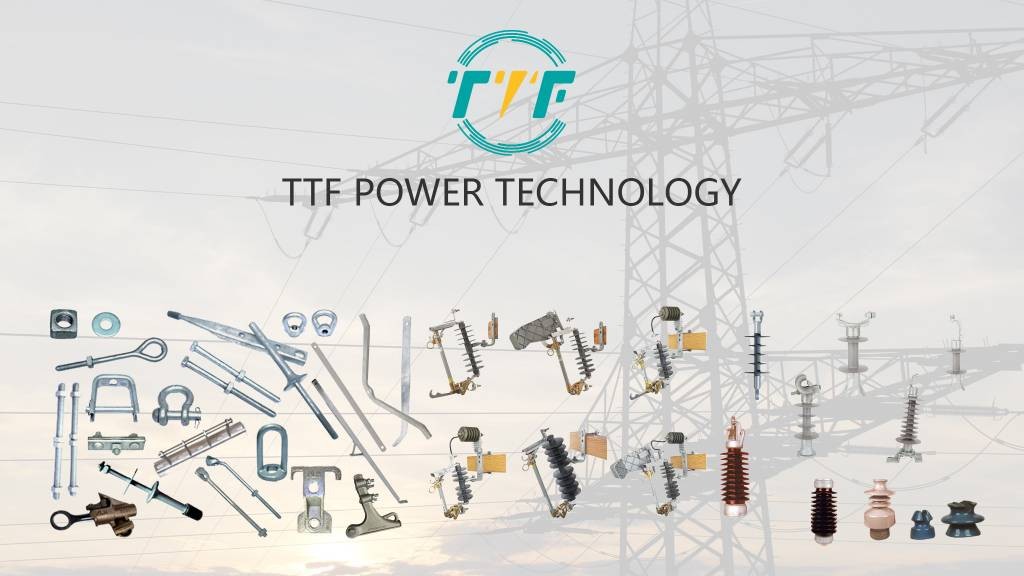
Insulator fittings are mechanical components used to connect electrical insulators to conductors, towers, or poles. They ensure mechanical support, electrical insulation, and system stability. Common types include ball and socket fittings, clevis and tongue fittings, spindles and eye bolts, and compression clamps. These components play a crucial role in the rehabilitation of the electrical grid, oil and gas facilities, and renewable energy projects. Here are the roles of insulator fittings in Venezuela’s energy infrastructure.

- Grid reliability and expansion—the grid suffers from frequent outages and aging components. Upgrading high-voltage transmission lines with modern insulator fittings prevents flashovers and system failures. They also enable the grid to handle higher loads as energy production scales up.
- Rehabilitating hydropower facilities—insulator fittings are crucial in supporting overhead lines feeding into and out of dams. They also withstand moisture-heavy and corrosive environments.
- Oil and gas facility electrification—modern oil and gas fields need stable internal power distribution. Insulator fittings protect electrical systems from mechanical stress and corrosion. They also support the electrification of pumps, compressors, and sensors.
- Renewable energy integration—solar microgrids and potential wind farms in remote areas depend on durable and lightweight insulator fittings. Their flexible designs allow rapid deployment and modular upgrades.
- Climate resilience—the right insulator fittings improve the structural integrity of poles and towers. They also reduce the risk of collapse or arc faults during extreme weather.
Energy investment opportunities in Venezuela’s energy sector
Investing in Venezuela’s energy sector highlights the potential areas of growth, current needs, and how investors can position themselves in a recovering environment. The country has vast natural gas, hydropower, and solar potential that presents high-stakes opportunities for energy investors. Global shifts in energy demand, rising oil prices, and the need for infrastructure modernization are opening new doors. The opportunities are as detailed below.
- Oil and gas infrastructure rehabilitation—the industry can enjoy reviving oil fields, upgrading refineries, pipeline repair and expansion, and enhanced oil recovery.
- Natural gas development and LNG export—investment opportunities include offshore gas field development, gas-to-power projects, LNG terminals, and domestic gas distribution for industrial and residential use.
- Hydropower system modernization—investments could help in turbine refurbishment and capacity upgrades, smart grid integration to stabilize output, and mini-hydro projects.
- Solar and wind energy expansion—these opportunities include off-grid solar systems, microgrid development, wind projects, and hybrid renewable systems to stabilize weak grids.
- Power transmission and distribution upgrades—the country could also modernize substations and transmission lines, deploy smart grid technologies, and advance metering infrastructure for revenue recovery.
- Regional energy integration—Venezuela could become a key regional supplier through cross-border pipelines, power export corridors, and participation in regional energy markets.