
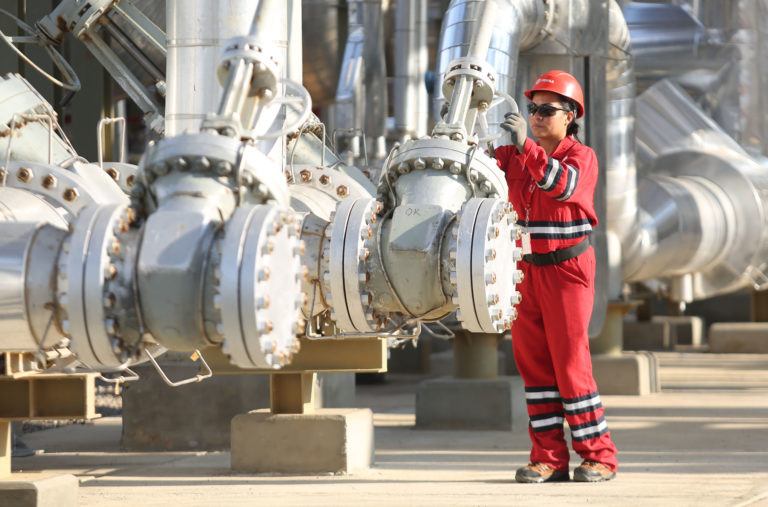
Venezuela relies on oil revenues to import fuel and diluents needed to process heavy crude. In June, the country exported some 844,000 barrels per day of crude fuel, an 8% increase from the previous month. However, the termination of U.S. licenses allows partners like Chevron and Repsol to trade Venezuelan crude. This results in significant long-term and short-term implications for Venezuela’s energy sector. With these markets restricted, Venezuela has redirected crude exports to China. Sales to China involve discounts, barter deals, or debt repayments rather than cash transactions. This reduces the actual revenue Venezuela earns compared to other sales. The revenue generated from exports is crucial in sustaining power generation in the country. Maintaining the grid is crucial to preventing power blackouts due to old infrastructure components like transformers, transmission lines, and power plants. Pin insulators maintain the electrical infrastructure supporting Venezuela’s oil production and export operations.
High-quality pin insulators isolate and support overhead power lines on utility poles to prevent short circuits and leakage currents. Without proper insulation, power failures could halt extraction that delays crude supply for export. They function in high-voltage transmission lines that supply electricity to remote oil fields and pumping stations. Pin insulators prevent flashovers to ensure stable power for critical operations like loading tankers. Venezuela’s national grid suffers from chronic blackouts due to underinvestment and poor maintenance. Faulty insulators can cause line faults that worsen outages that disrupt oil operations. The country may also struggle to replace aging or damaged insulators, which increases grid vulnerability. Most of the oil facilities rely on diesel generators when the grid fails. The generators still depend on transmission lines to distribute power within facilities.
Roles of pin insulators in maintaining electrical infrastructure for oil production and export
Pin insulators are crucial components in the electrical systems that power oil fields, refineries, and export terminals. A pin insulator is a type of electrical insulator mounted on a pin on crossarms or poles. It’s designed to support and separate live wires from grounded structures. They help prevent unwanted current flow or short-circuiting in overhead power lines. Pin insulators must resist corrosion from salty coastal air and withstand tropical rains, high humidity, and heat. They also endure mechanical stress from strong winds and seismic activity. Pin insulators reduce leakage current and prevent short circuits in the electrical infrastructure. Here are the roles in the electrical infrastructure.
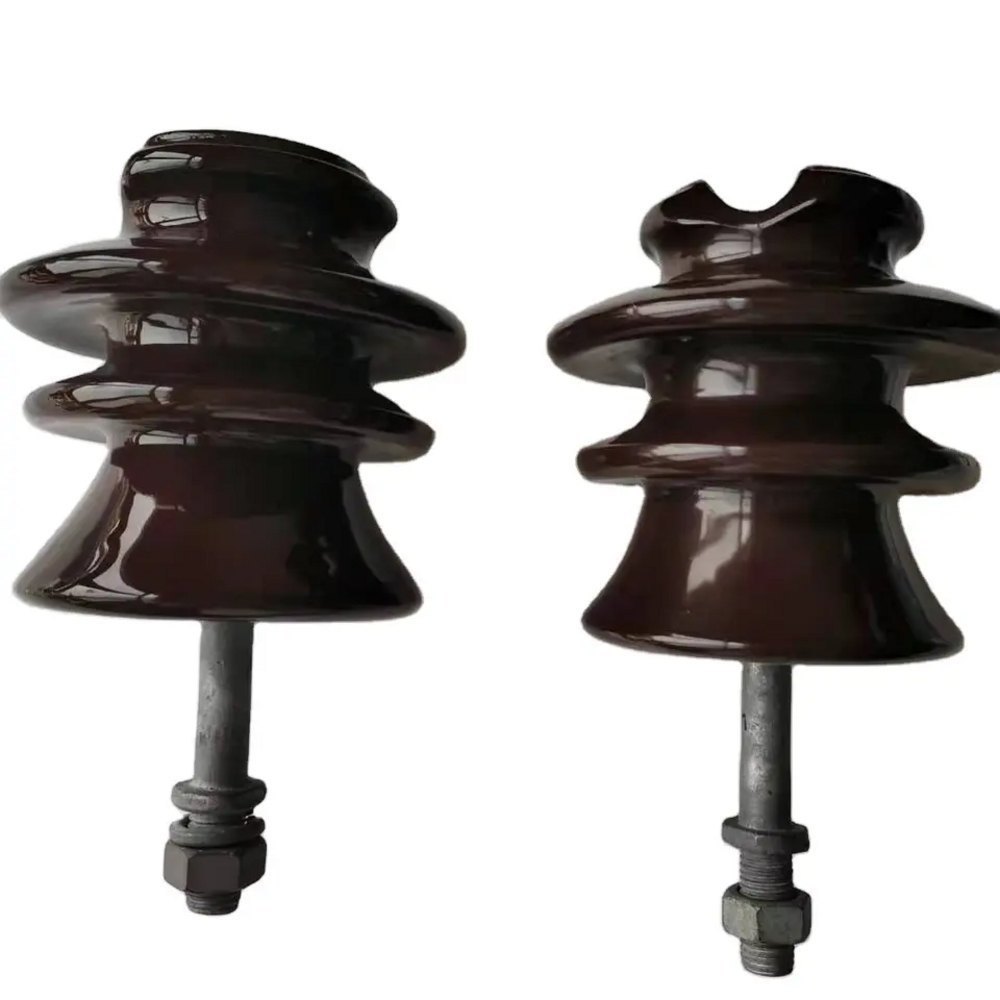
- Power supply for oil fields—oil production needs pumps, compressors, sensors, and monitoring systems. The insulators ensure that overhead power lines feeding oil fields operate reliably.
- Stability for refinery operations—oil refineries depend on high-voltage power systems for distillation, cracking, and chemical processing. Pin insulators contribute to the safe transmission of electricity into and around the refinery complex. This is crucial in preventing outages or electrical faults.
- Port and export terminal functionality—crude oil and refined products export through terminals. Cranes, pumps, and sensors operate on grid or generator power. The insulators in overhead distribution networks around the terminals ensure uninterrupted electrical flow.
- Supporting backup power systems for oil infrastructure—most generators depend on transmission lines to distribute power within facilities. Insulation failures could delay emergency power activation, which risks production shutdowns.
Impacts of oil exports and imports on Venezuela’s energy sector
Venezuela’s economy and energy sector are dependent on oil exports for revenue and oil imports. Oil production is crucial to sustain production and domestic fuel supply. Oil import and export shape the country’s energy stability, economic health, and geopolitical standing. Companies like Chevron and Repsol could boost production, leading to more cash for fuel imports and grid repairs. Additionally, easing sanctions could help reduce Venezuela’s electricity crisis. These impacts are as discussed below.
- Source of revenue—oil sales account for 90% of Venezuela’s export earnings and funded social programs, infrastructure, and military spending.
- Foreign currency for imports—oil exports provide hard currency needed to import food, medicine, and industrial equipment.
- Grid instability—fuel shortages affect thermoelectric plants, which worsens blackouts. Industries shut down due to power cuts, which reduces non-oil exports.
- Dependence on discounted and shadow markets—shadow fleets and intermediaries reduce transparency and revenue.
- Domestic fuel crises—black market fuel prices soar when imports lag. Power plants also suffer due to diesel shortages that worsen blackouts.