
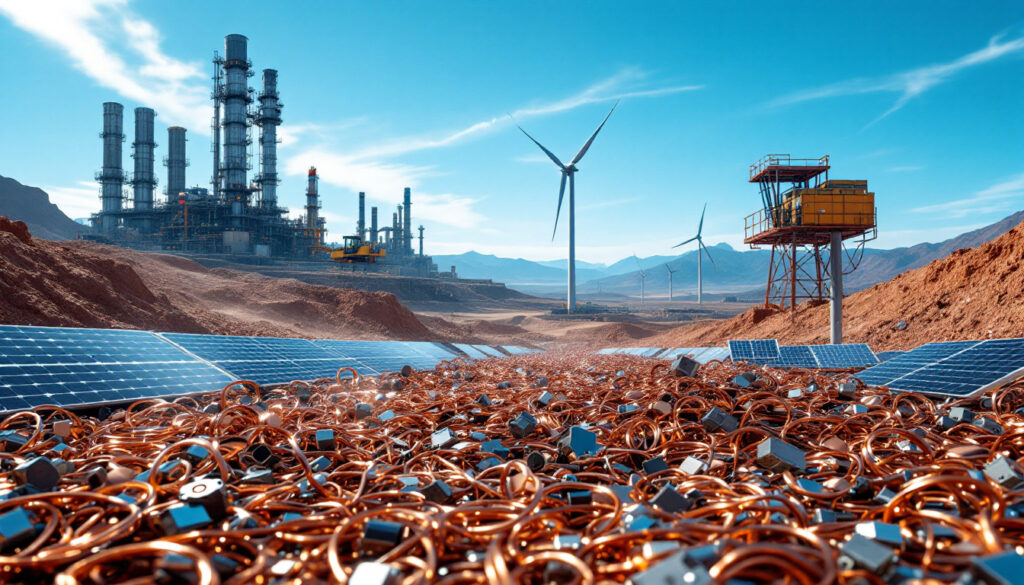
Green energy transition in Peru is crucial in driving other industries like copper, electric vehicles, solar, and wind infrastructure. Copper’s unique conductivity, durability, and efficiency make it indispensable in renewable energy systems, grid expansion, and electric mobility. It is also essential for wiring motors, transformers, and transmission lines. Every megawatt of solar or wind power installed needs substantially more copper than fossil fuel plants. Power grids also must be upgraded to handle fluctuating loads. This needs copper-based cabling, substations, and storage systems. Peru is the world’s second-largest copper producer, which positions it to benefit from the surge in demand. The country is also ramping up solar and wind projects to diversify its energy mix to reduce reliance on hydropower and fossil fuels. Renewable energy also powers copper mining efforts in Peru. Ground clamps ensure the electrical systems powering the copper mine are safe and functional.
A ground clamp is a specialized connector designed to create a secure, low-resistance electrical connection between a grounding wire and a grounding rod. It provides a safe path for electrical current to flow into the earth in the event of a fault. The clamps are from conductive, corrosion-resistant material like copper or bronze. It also has a clamping mechanism to ensure a tight, permanent connection. Copper mines are immense consumers of energy and aim to reduce their carbon footprint and energy costs. Ground clamps play an essential role at many points in the integrated energy-to-mining system. The clamps help connect the metal frames and electrical enclosures of the equipment to a grounding electrode system. They also help safely divert massive lightning strikes into the ground to prevent equipment destruction and fires.
The role of ground clamps in green energy powering copper mining in Peru
Mining operations are turning to green power sources such as solar, wind, and hydropower. This is as the country ramps up copper production to meet the surging global demand for renewable energy and electrification. Ground clamps ensure electrical safety, reliability, and efficiency across mining and renewable installations. The clamps provide a secure connection to the earth to prevent electrical faults, surges, or lightning strikes from damaging renewable-powered systems. Ground clamps reduce downtime and maintain operational continuity for energy-intensive copper mining. Here are the roles of ground clamps in copper mining powered by renewable energy.

- Enabling renewable integration—the electrical systems connecting solar farms and wind turbines to power copper mining sites must be grounded reliably. Ground clamps stabilize the renewable energy systems to ensure they deliver consistent, uninterrupted power.
- Supporting copper-intensive infrastructure—ground clamps create a loop where copper enables safer green energy systems, and green energy powers copper extraction. These highlights copper’s role in decarbonization, contributing to the sustainability chain.
- Sustainability and efficiency benefits—renewable-powered mines reduce energy losses and boost efficiency. Ground clamps also extend the life cycle of renewable energy assets by protecting them from electrical wear and tear.
- Electrical safety in renewable-powered mines—copper mines need massive amounts of electricity for extraction, crushing, and processing. Ground clamps provide a secure connection to the earth to prevent electrical faults, surges, or lightning strikes from damaging renewable-powered systems.
Key barriers to copper production using renewable energy in Peru
Copper is crucial to building solar panels, wind turbines, and electric vehicles, which are crucial for decarbonization. Mining, however, presents various challenges in deploying renewable energy. These barriers are as follows.
- Infrastructure limitations—integrating large-scale renewable power plants into isolated areas needs costly transmission lines and substations. Battery storage systems are also crucial since solar and wind are intermittent.
- High capital costs—transitioning from diesel or grid-based electricity to renewables involves heavy upfront investment in solar farms, wind parks, and storage systems.
- Policy and regulatory challenges – Peru’s policies targeting the mining sector’s green transition are limited. There are also long bureaucratic processes for renewable energy projects that slow down mine-level adoption.
- Technological and operational constraints—mining needs reliable power, which renewables struggle to provide without complementary backup systems. Integrating renewables into mining operations demands advanced energy management technologies.
- Global market volatility—copper demand is increasing due to the global energy transition. Price fluctuations make it difficult for companies to commit to long-term renewable investments. Mining companies focus on short-term cost savings over sustainability initiatives.