
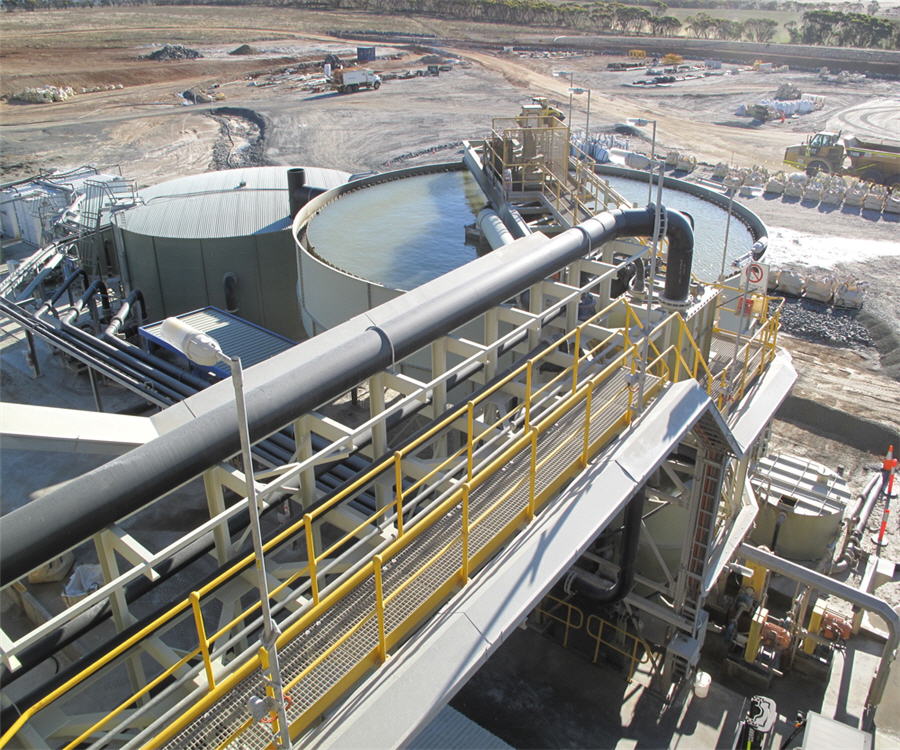
Argentina Lithium & Energy Corp. recently filed a technical report for its Rincon West lithium brine project in Salta Province. This development outlines the project’s potential resources, including lithium and potassium. These are key minerals for battery production and energy transition. The company focuses on the exploration and development of lithium projects. It is engaged in the extraction of lithium brine for lithium-ion batteries. This becomes crucial for electric vehicles and renewable energy storage solutions. The increased lithium production pushes electric mobility, grid modernization, and large-scale renewable energy storage. This helps reduce reliance on foreign supply chains, thus enhancing energy security. Lithium extraction and production lead to the demand for increased support infrastructure. These include power line hardware, transmission lines, and transportation. Robust hardware like socket clevis provides a pivot point that allows the insulator string and conductor to swing freely.
The clevis allows movement that dissipates the kinetic energy from the wind and galloping lines. They help prevent mechanical fatigue that could fracture the ceramic insulators or damage the tower’s structure. Dust from the lithium environments could damage insulators, leading to flashovers. Using the socket clevis prevents flashovers in the salty zones and helps increase the creepage distance. It acts as the load-bearing component selected to hold extra weight while maintaining flexibility.
The socket clevis acts as the adapter that allows the non-standard, high-altitude insulator configurations to attach to standard tension clamps. It bridges the gap between the tower’s static hardware and the dynamic high-voltage wires. Their manufacture from hot-dip galvanized steel helps them meet ASTM or IEC standards. Socket clevises prevent wind damage to power lines and ensure continuous power to brine pumps.
Argentina benefits from increased lithium extraction and production.
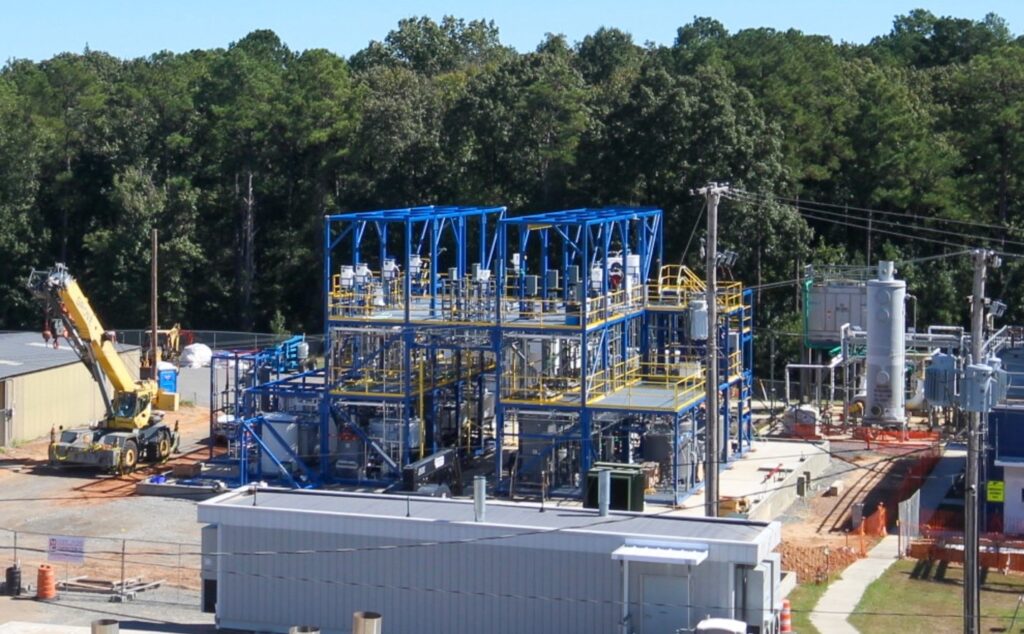
Argentina benefits from lithium production and extraction in the economic, industrial, and technological sectors. The country also offers benefits in national revenue, industrial growth, geopolitical influence, and energy resilience. Lithium extraction brings foreign direct investment from global battery and EV companies, export earnings, and infrastructure upgrades. It also helps attract battery cell and cathode manufacturers, encourage EV partnerships, and support technology research centers. Additionally, lithium contributes to Argentina’s clean-energy goals by enabling energy storage systems. These help stabilize solar and wind power, microgrids, and electrification of industries, mining, and transport fleets.
The functions of the socket clevis in lithium extraction and production infrastructure
A socket clevis is crucial in the mechanical structure of lithium extraction and production infrastructure. It ensures secure, stable, and high-load connections in lithium equipment. This helps the equipment operate reliably in harsh and corrosive environments. Here are the functions of the socket clevis in lithium equipment.
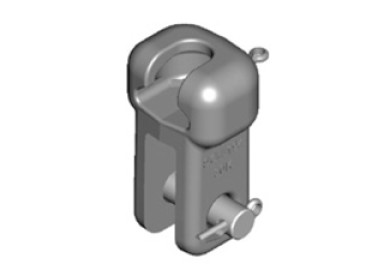
- Secure connections in pumping and brine transfer systems—brine extraction involves pumping stations that transfer lithium-rich brines across long distances. Socket clevis helps stabilize support structures for lines powering the pumps. They also enable safe, high-load articulation during vibration and movement.
- Support for overhead power distribution—socket clevises help connect insulators to transmission and distribution lines. They also help maintain tension stability in overhead lines feeding brine pumps, DLE (direct lithium extraction) modules, and processing buildings.
- Mechanical stability for DLE facilities—the socket clevis provides secure attachment points for insulators in high humidity and corrosive environments.
- Integration with substation components—the processing sites use on-substations to manage voltage transformations. Using socket clevises is crucial for reliable tension transfer between substation insulators and conductors, vibration damping, and safe load distribution.
- Support for monitoring and automation systems—the clevises hold signal and power lines connecting monitoring equipment like SCADA, IOT sensors, and automated controls. It also helps maintain stable tension to reduce line sag and signal interference.
Uses of lithium in Argentina’s energy transition
Lithium has the ability to speed up a modern and low-carbon energy system for Argentina’s energy transition goals. Lithium creates revenues to help fund renewable energy expansion, modern transmission infrastructure, and local job creation in high-tech sectors. Its uses are as detailed below.
- Powering the expansion of electric vehicles—lithium enables battery production for electric vehicles, longer driving ranges, and lower battery costs.
- Enable large-scale renewable energy storage—lithium-ion batteries store excess solar and wind energy, provide grid balancing, and support off-grid and hybrid systems for remote communities and mining camps.
- Supporting industrial electrification and clean manufacturing—lithium-based storage solutions help power mining trucks, provide backup energy for high-load industrial processes, and reduce dependence on thermal generation.
- Clean-tech innovation and investment—increased investments lead to the development of battery research hubs and the testing of direct lithium extraction technologies.